St. John’s Co-Cathedral
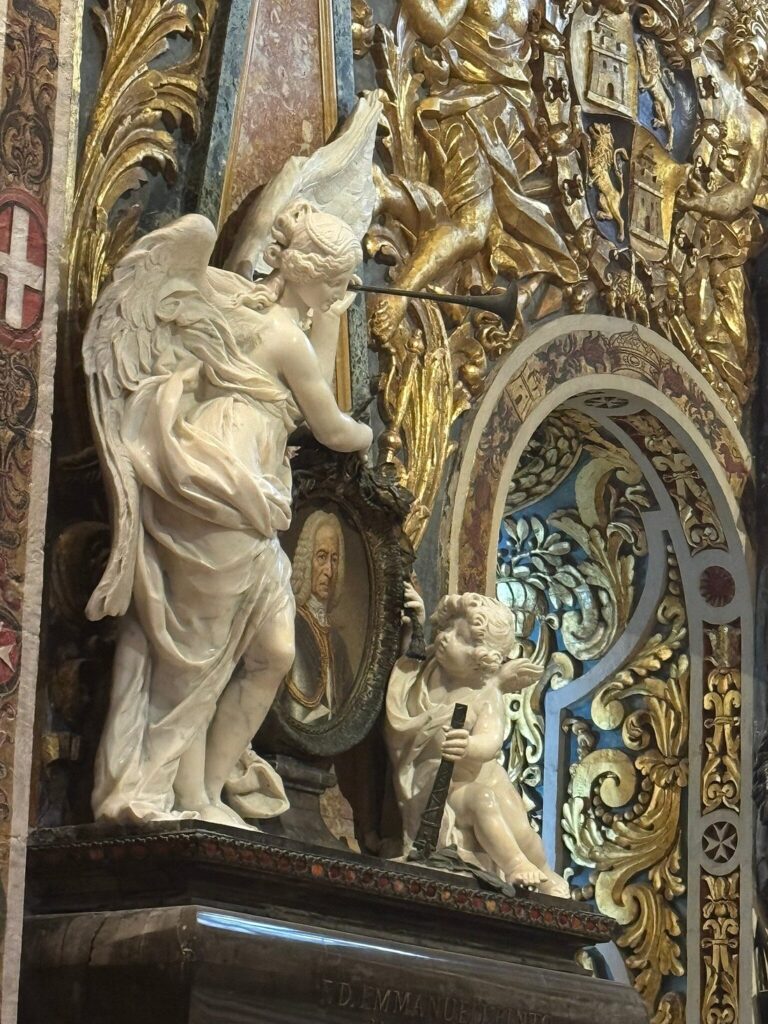
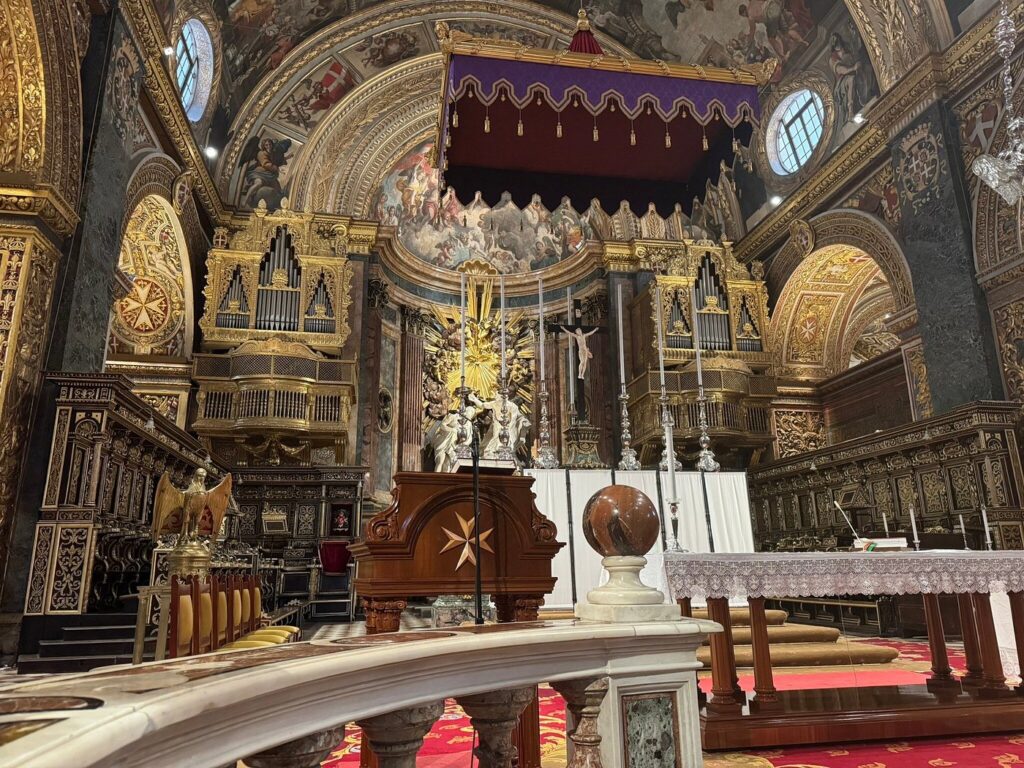
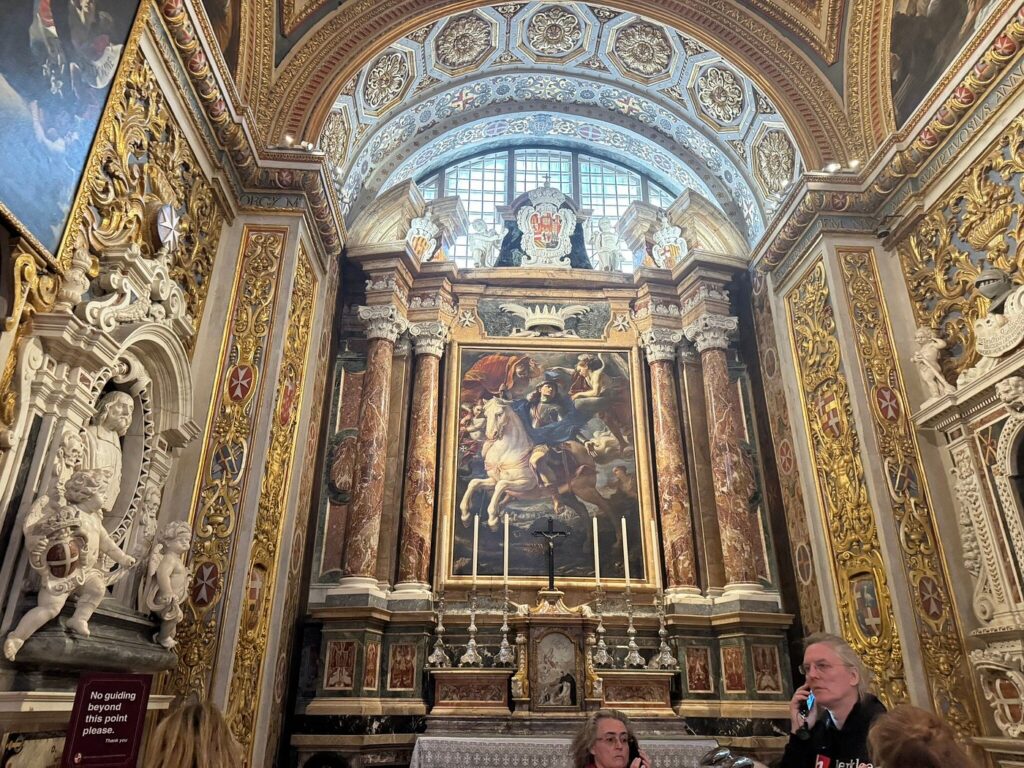
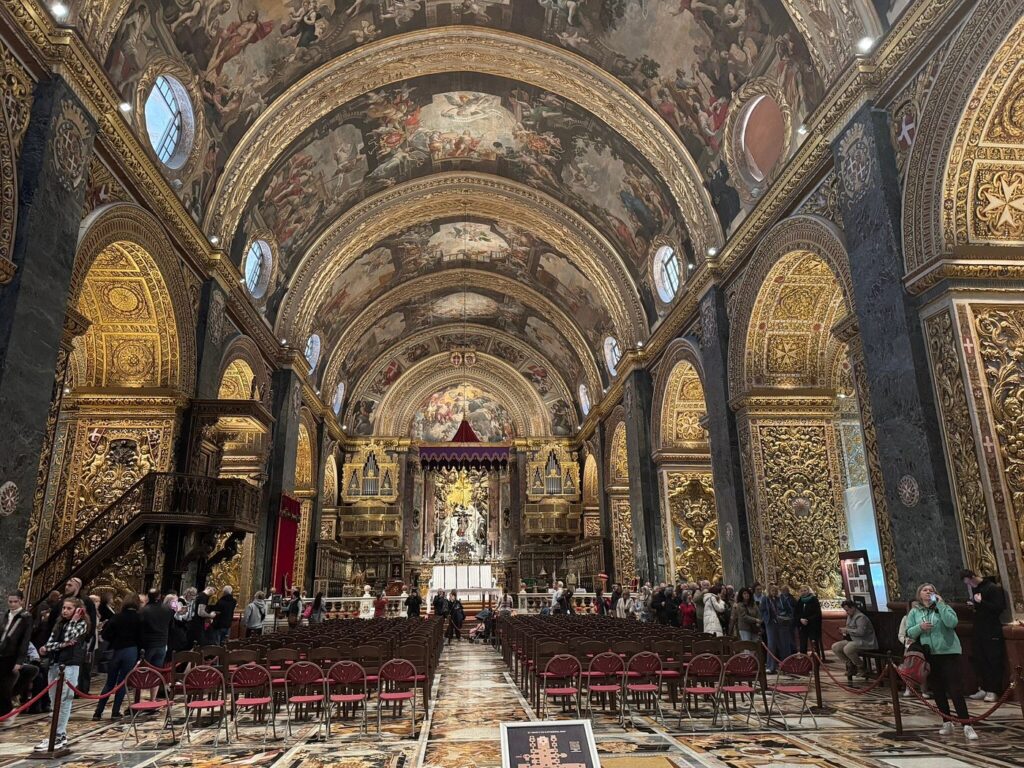
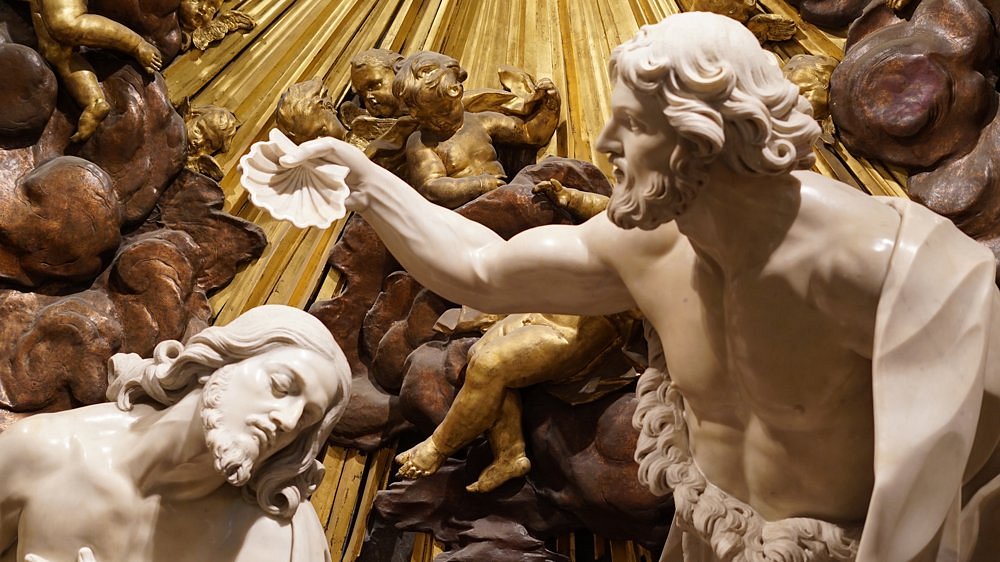
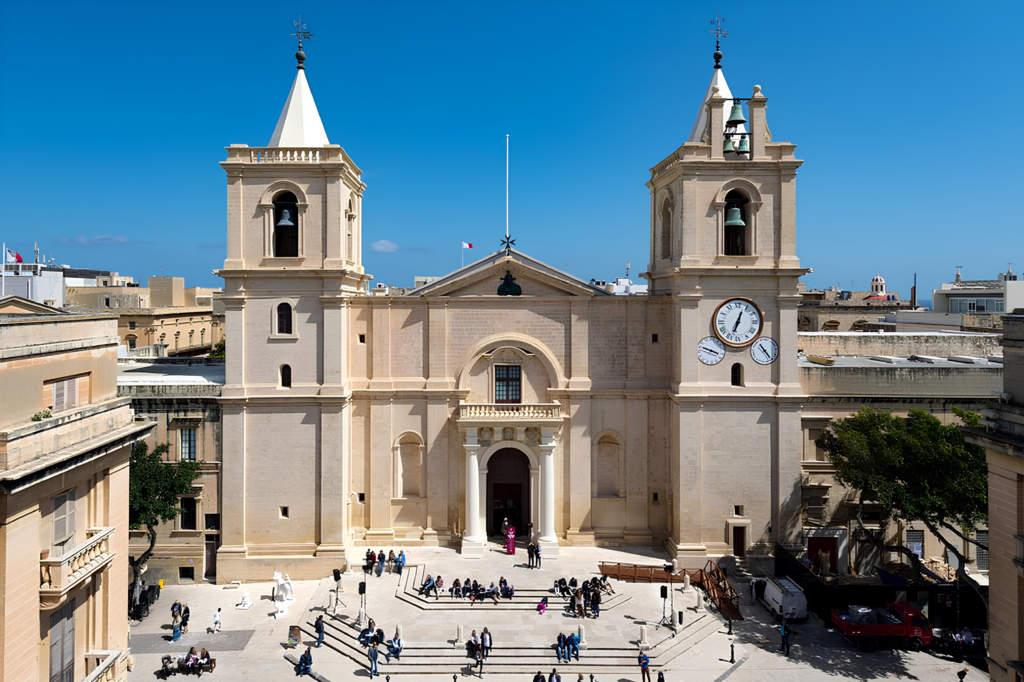
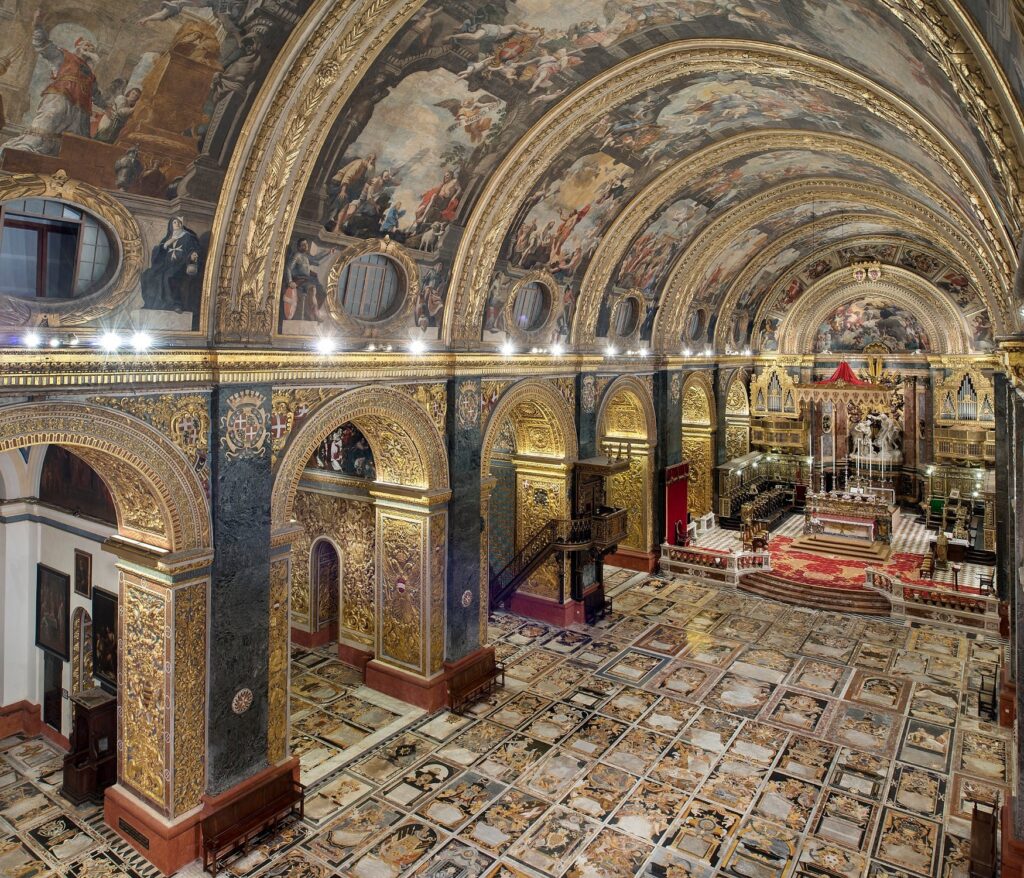
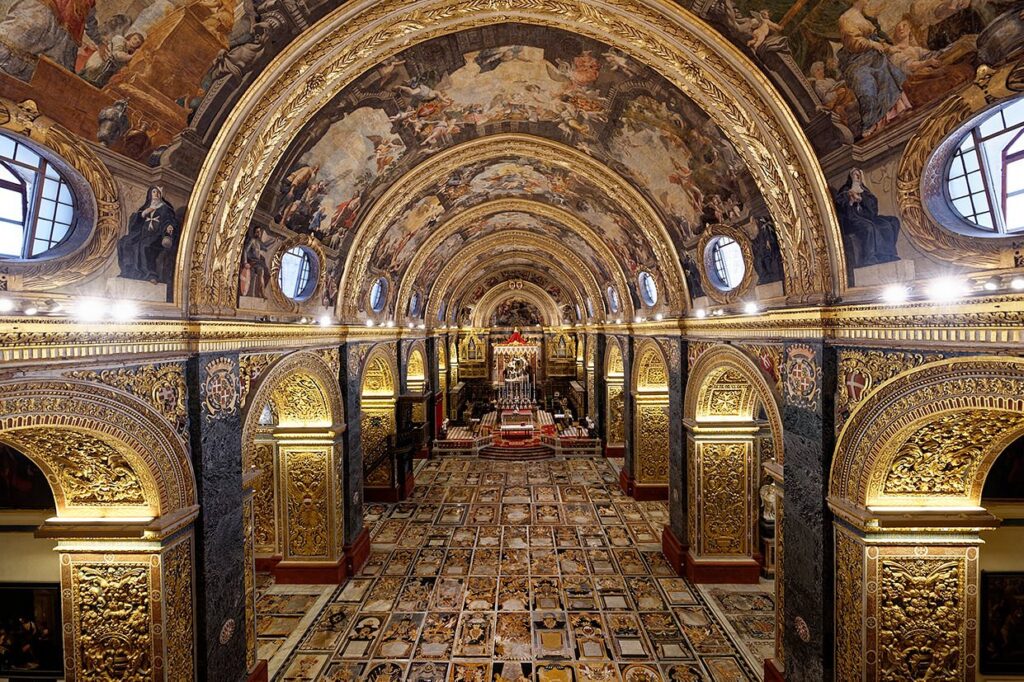
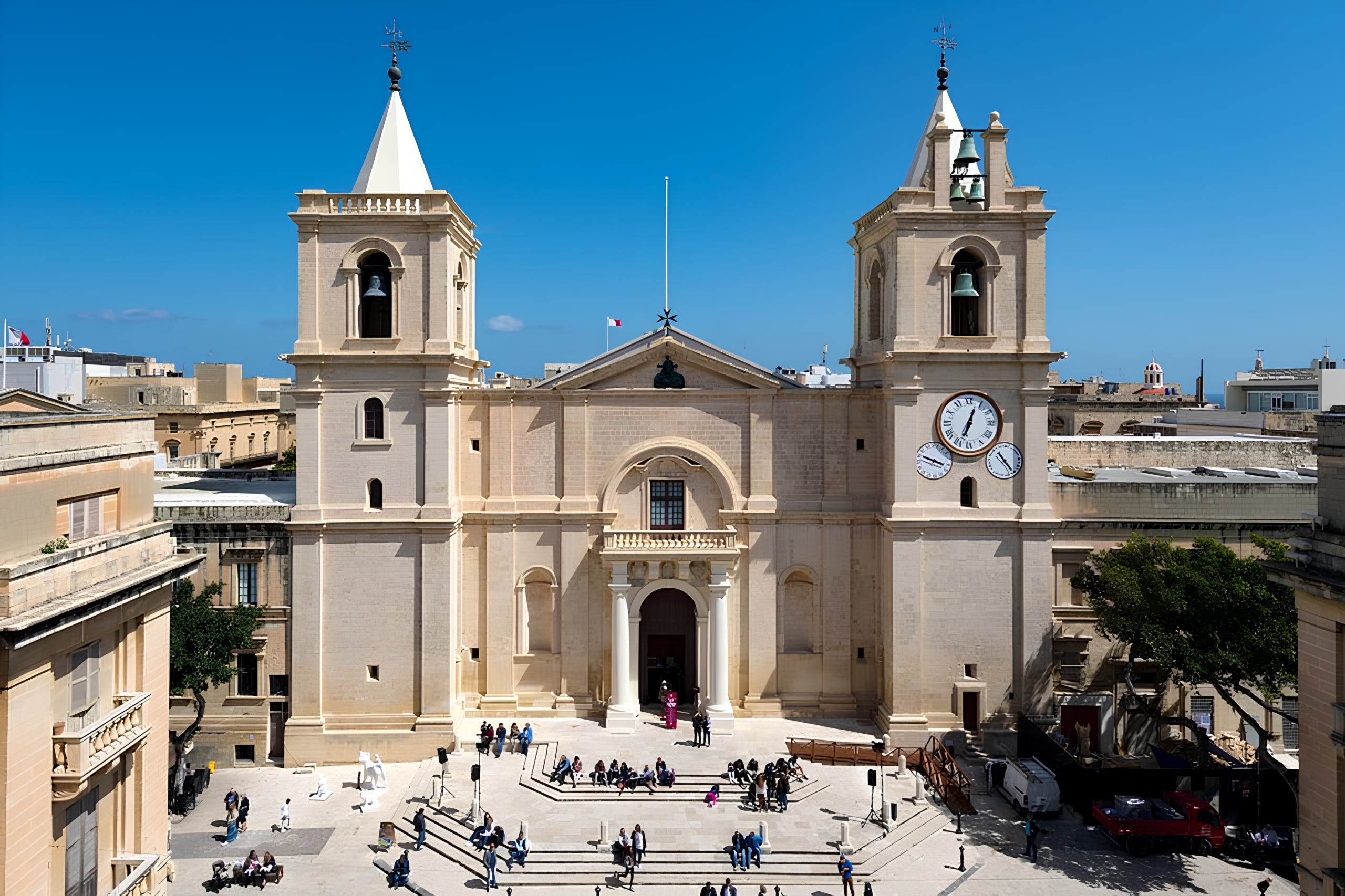
The design of St. John's Co-Cathedral is attributed to the renowned Maltese architect Girolamo Cassar (c. 1520–1592). Built between 1572 y 1577it was commissioned by the Knights of Saint John as their conventual church. While its exterior exhibits a severe, Mannerist military style, the interior is a masterpiece of High Baroque, featuring intricate gold carvings and a vaulted ceiling painted by Mattia Preti, which tells the story of the life of Saint John the Baptist.
The Crown Jewel of Baroque: St. John's Co-Cathedral
St. John's Co-Cathedral stands as a breathtaking masterpiece of High Baroque architecture, a testament to the wealth and military might of the Knights of Saint John. Commissioned in 1572 by Grand Master Jean de la Cassière and designed by the celebrated Maltese architect Girolamo Cassar, the cathedral’s exterior presents a severe, fortress-like façade that reflects the order's military heritage. However, this outward austerity serves as a deliberate contrast to the explosion of art and gold waiting within, a transformation largely attributed to the genius of the Calabrian artist Mattia Preti in the 17th century.
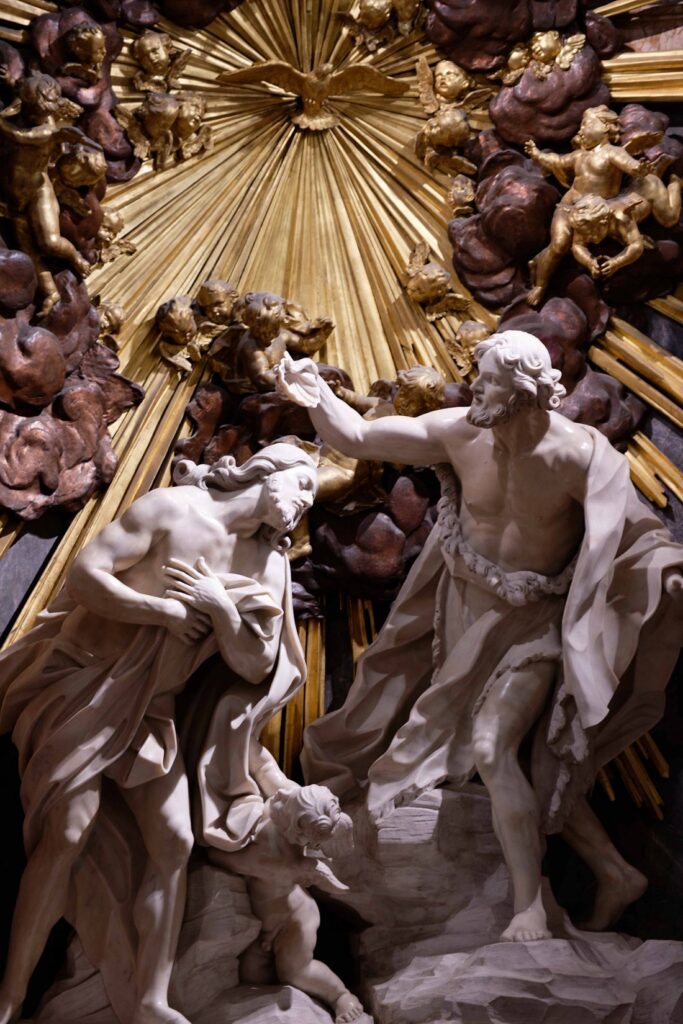
The interior is a spectacular display of Baroque iconography. The barrel-vaulted ceiling, painted by Preti, depicts eighteen vivid scenes from the life of Saint John the Baptist, seamlessly blending painting and architecture through masterful trompe l'oeil techniques. Perhaps the cathedral's most unique feature is its marble-inlaid floora vibrant tapestry of over 400 tombstones belonging to the most illustrious knights of the Order, each adorned with coats of arms and allegorical skeletons celebrating their legacy and faith.
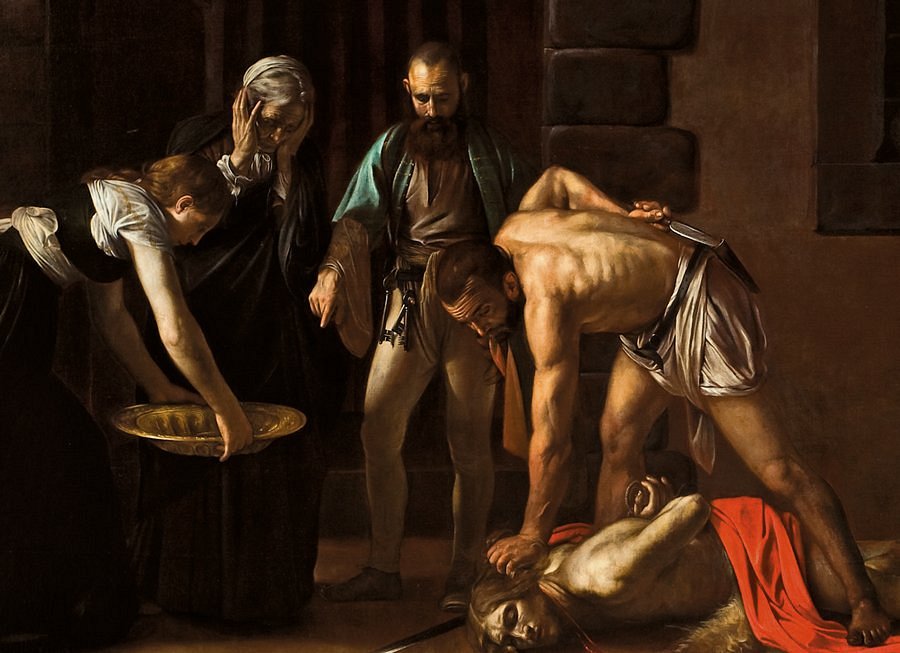
Beyond its central nave, the cathedral houses the Oratory, home to one of the world's most significant artistic treasures: "The Beheading of Saint John the Baptist" by CaravaggioThis monumental painting is the only work ever signed by the troubled master, capturing a moment of raw, dramatic intensity that defines the chiaroscuro style. To complete this architectural journey, the cathedral’s museum displays a magnificent collection of Flemish tapestries based on sketches by Peter Paul Rubens. Consecrated in 1577 and later elevated to co-cathedral status alongside Mdina, this monument remains the ultimate fusion of Maltese identity and European Baroque splendor.