Basilica of St. Dominic (Our Lady of Porto Salvo)
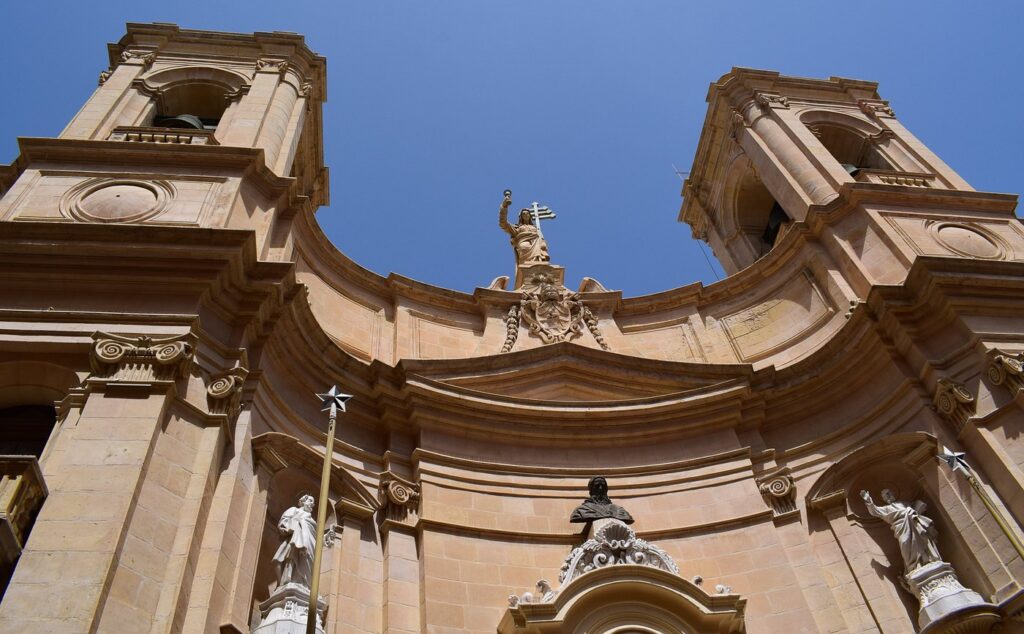
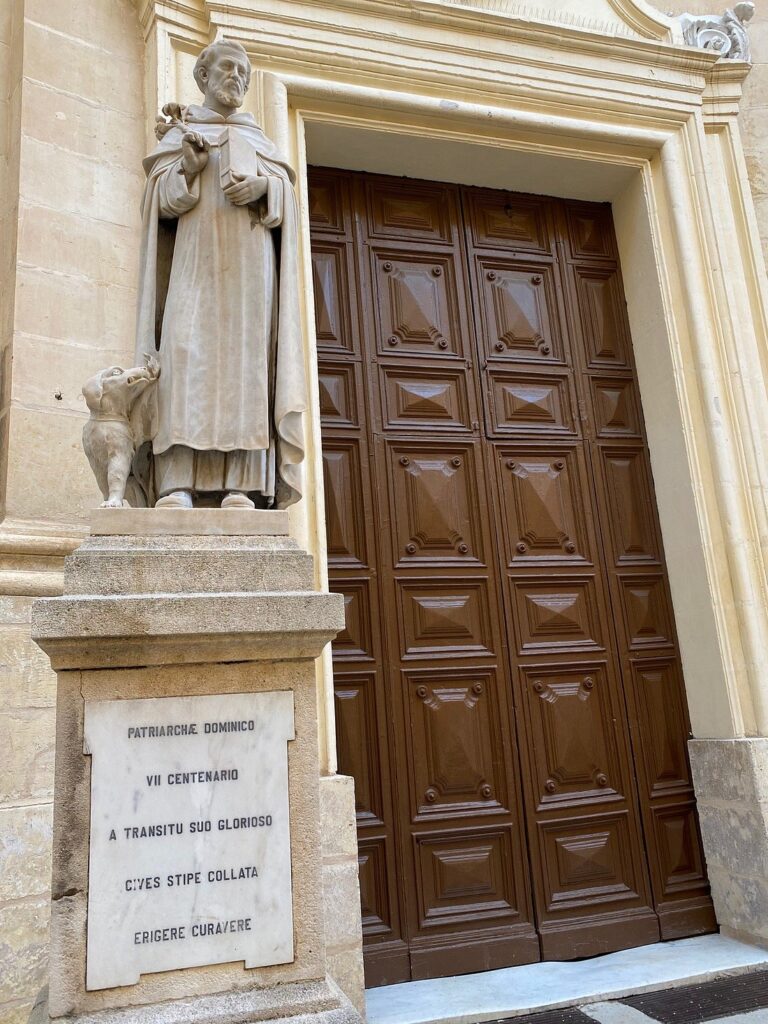
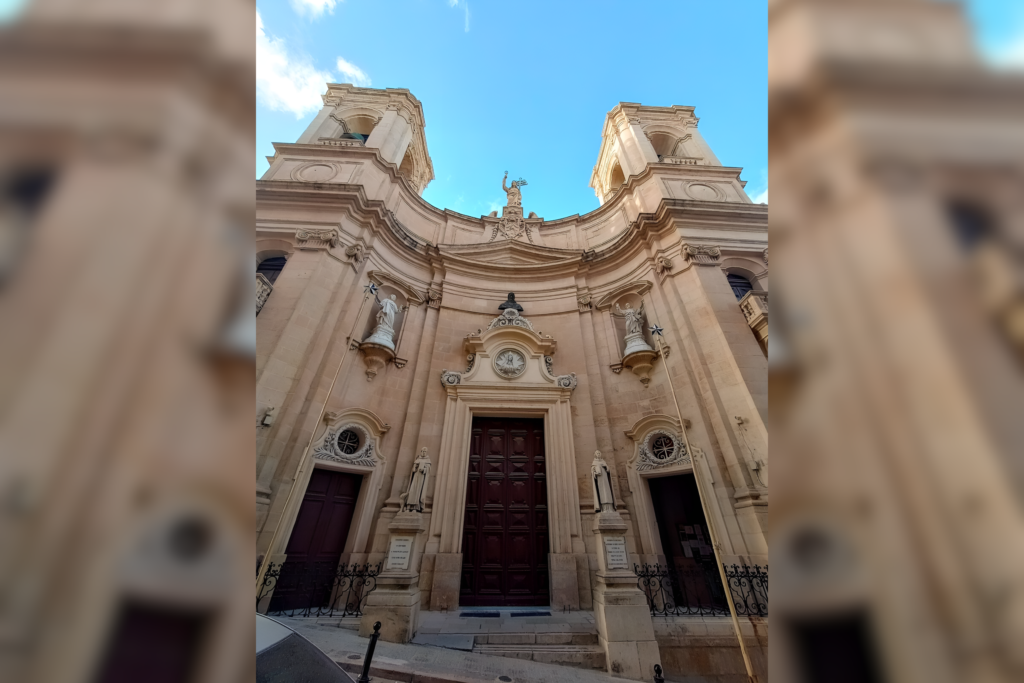
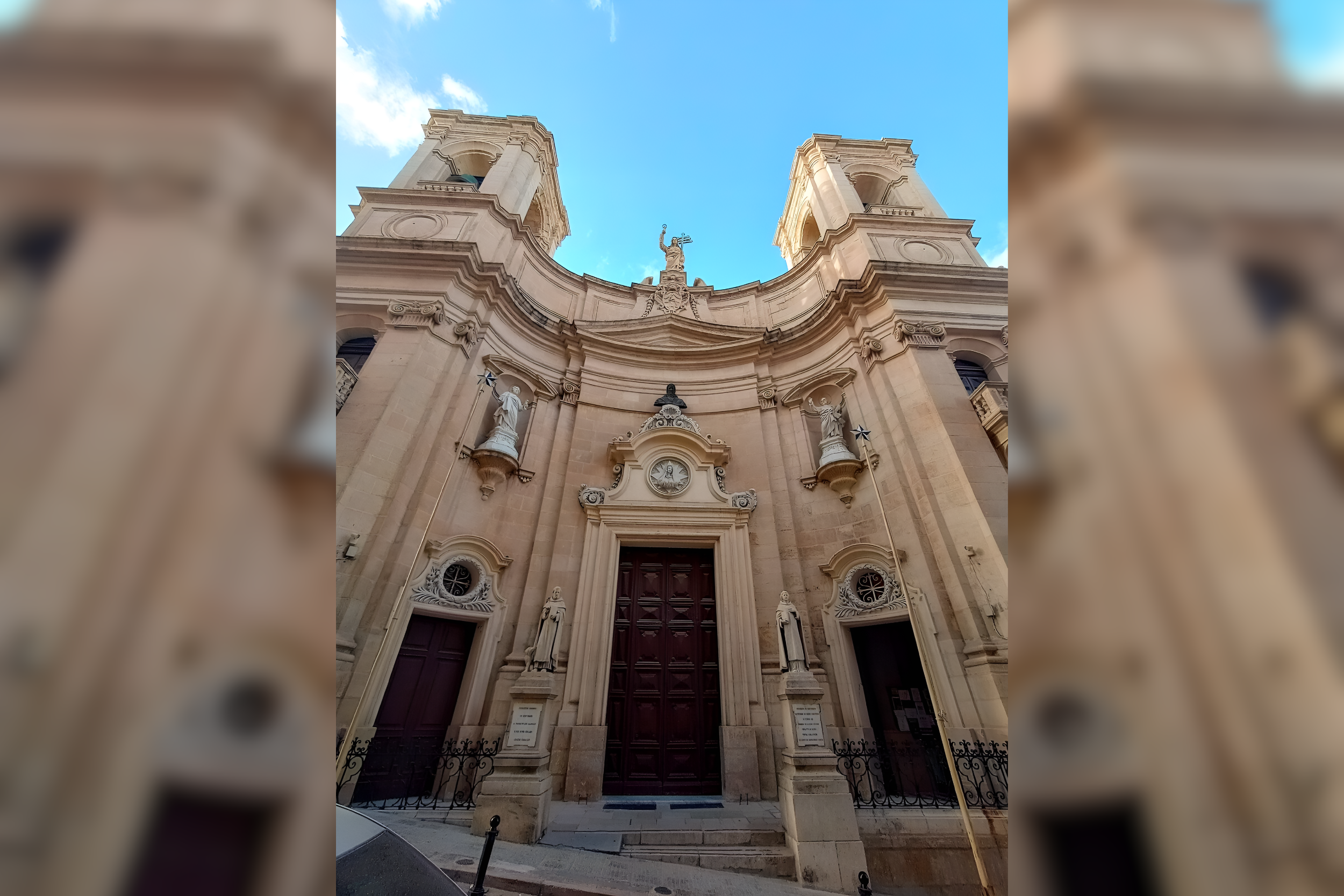
The design of the current Basilica of St. Dominic is attributed to the Maltese architect Giuseppe BonaviaBuilt between 1812 and1889this structure replaced the original 16th-century temple that had been severely damaged by earthquakes. It was the first parish church established in Valletta and is administered by the Dominican Order. While many churches in the capital retain an early Baroque style, this basilica stands out for its imposing late Neoclassical architecture with Baroque influences, serving as a spiritual landmark for mariners and the local community.
A Spiritual Haven in the Capital: Basilica of St. Dominic
The Basilica of St. Dominic stands as a testament to resilient faith and architectural splendor within the historic layout of Valletta. Rebuilt in the 19th century upon the foundations of the original Knights' church, its façade is distinguished by a majestic portico and a massing that reflects the transition toward a cleaner yet equally imposing aesthetic. Dedicated to Our Lady of Porto Salvo, the church has traditionally served as a beacon of protection for sailors returning to the Grand Harbour, merging the island's maritime history with its deep religious devotion.
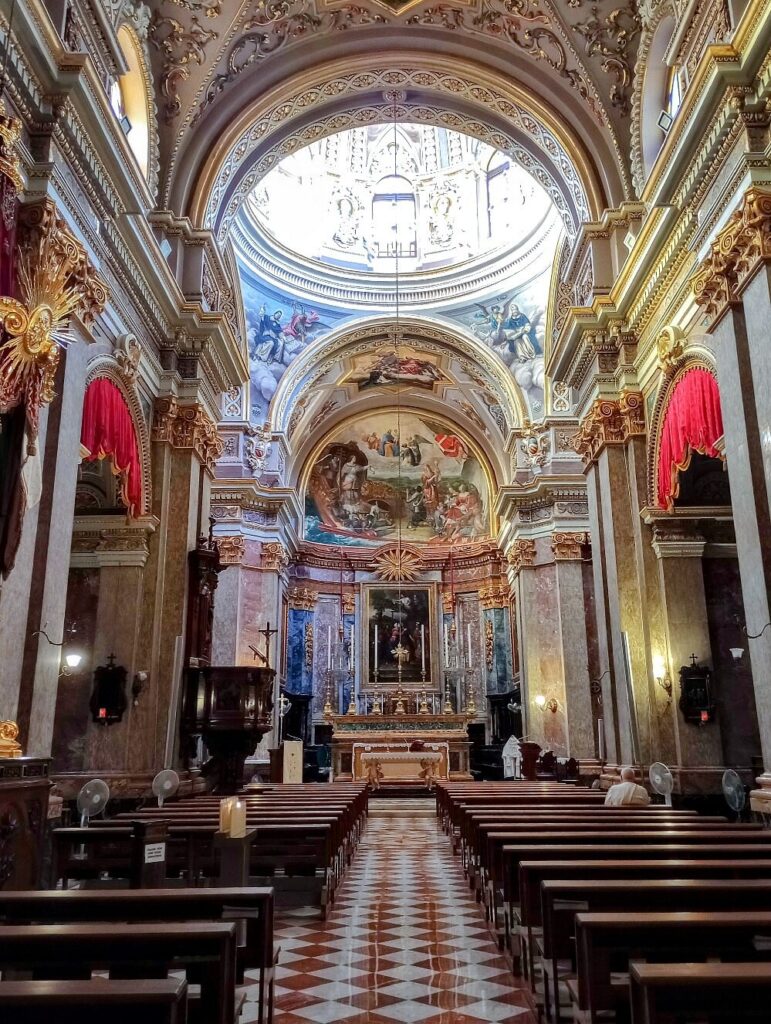
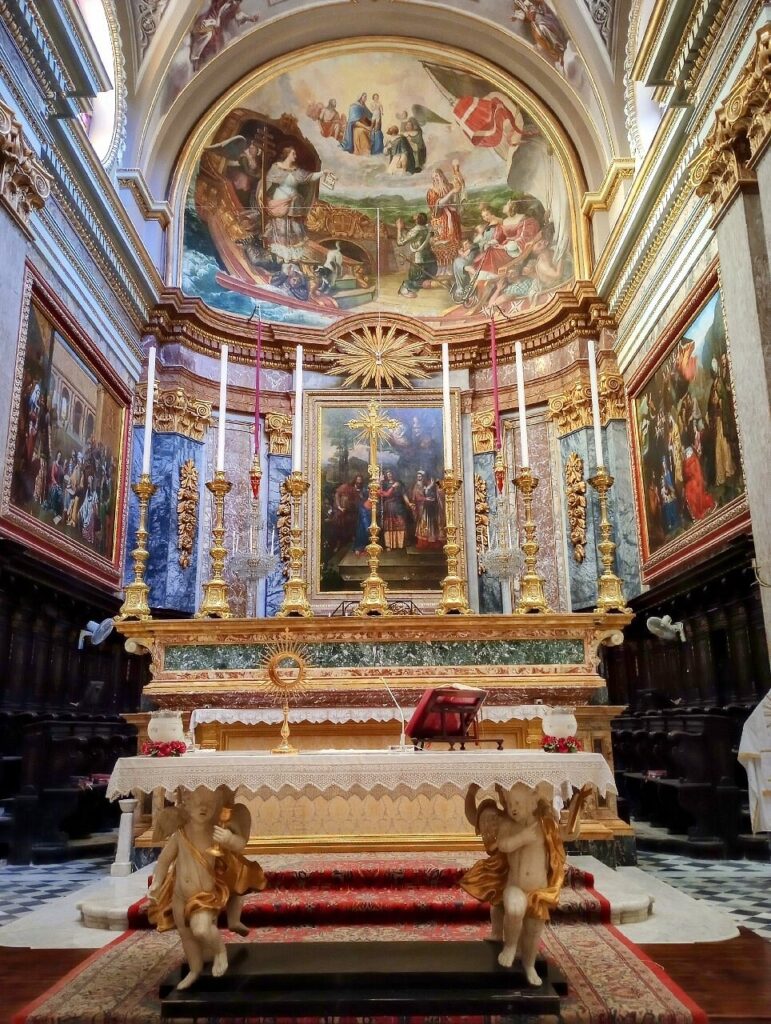
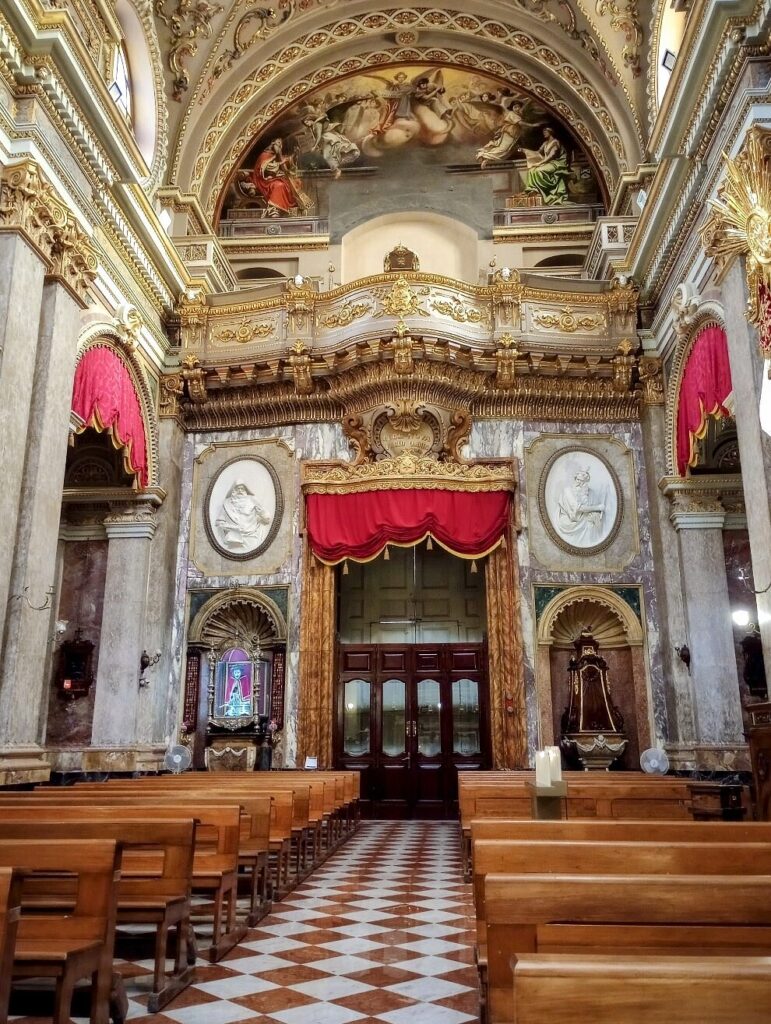
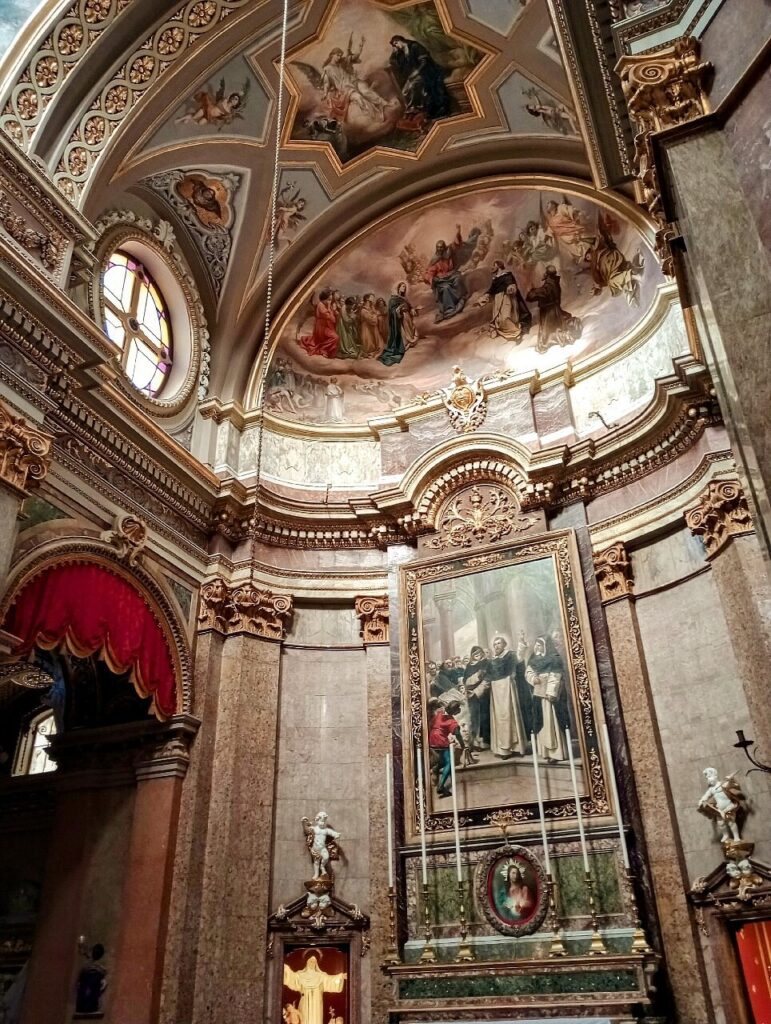
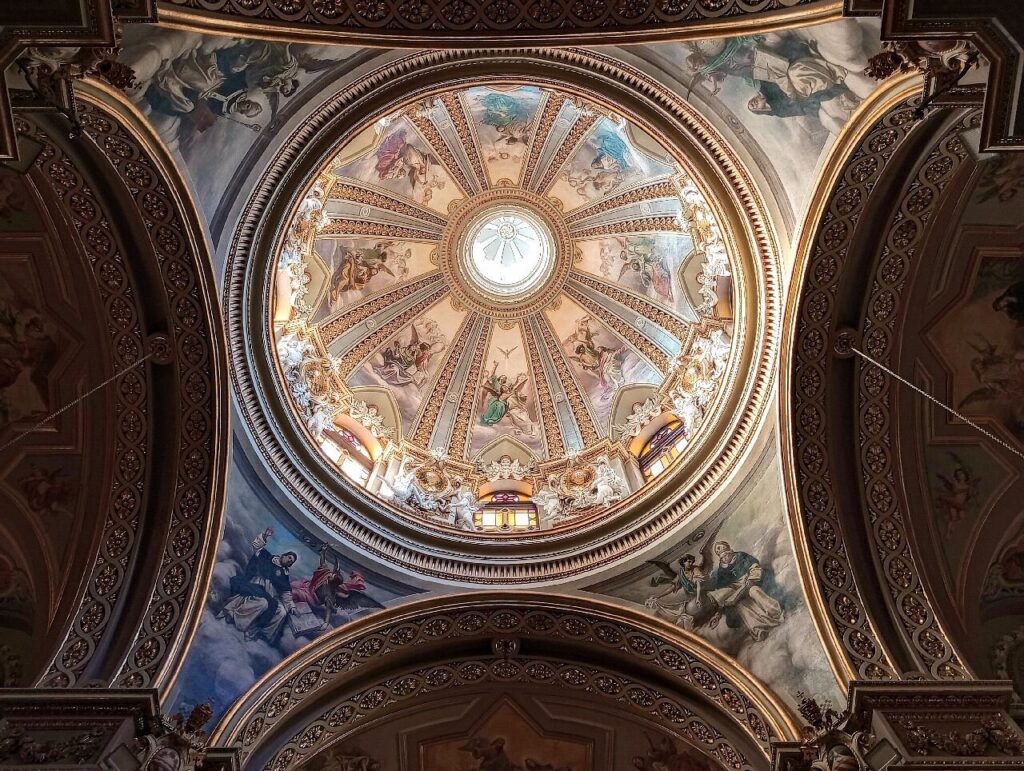
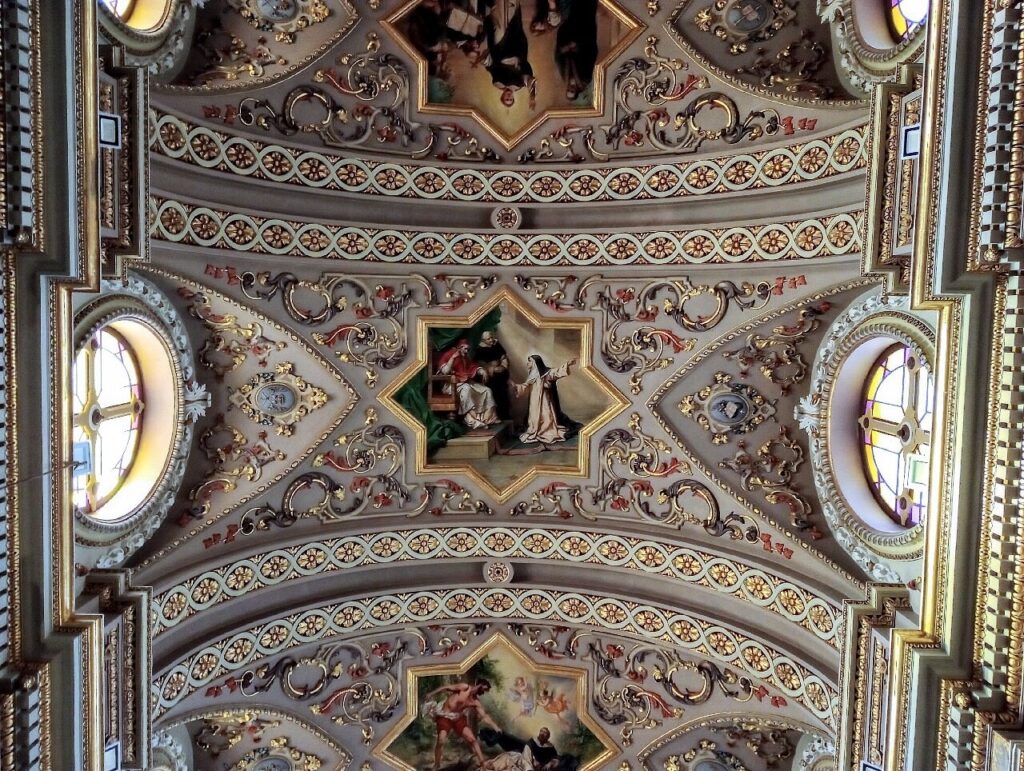
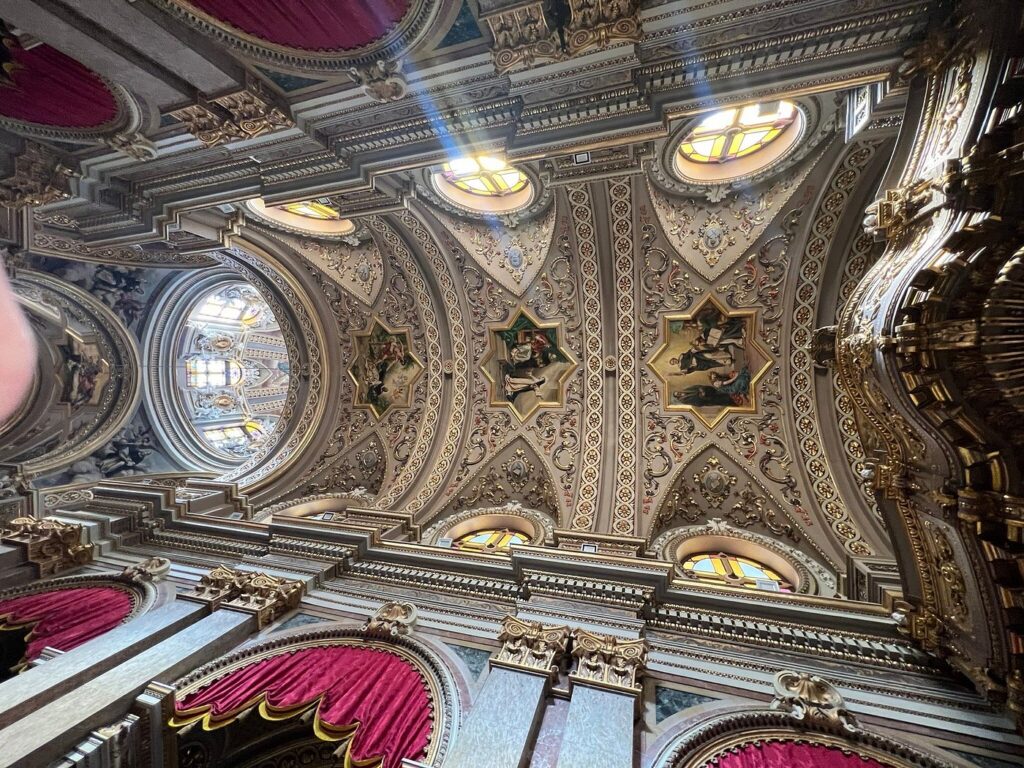
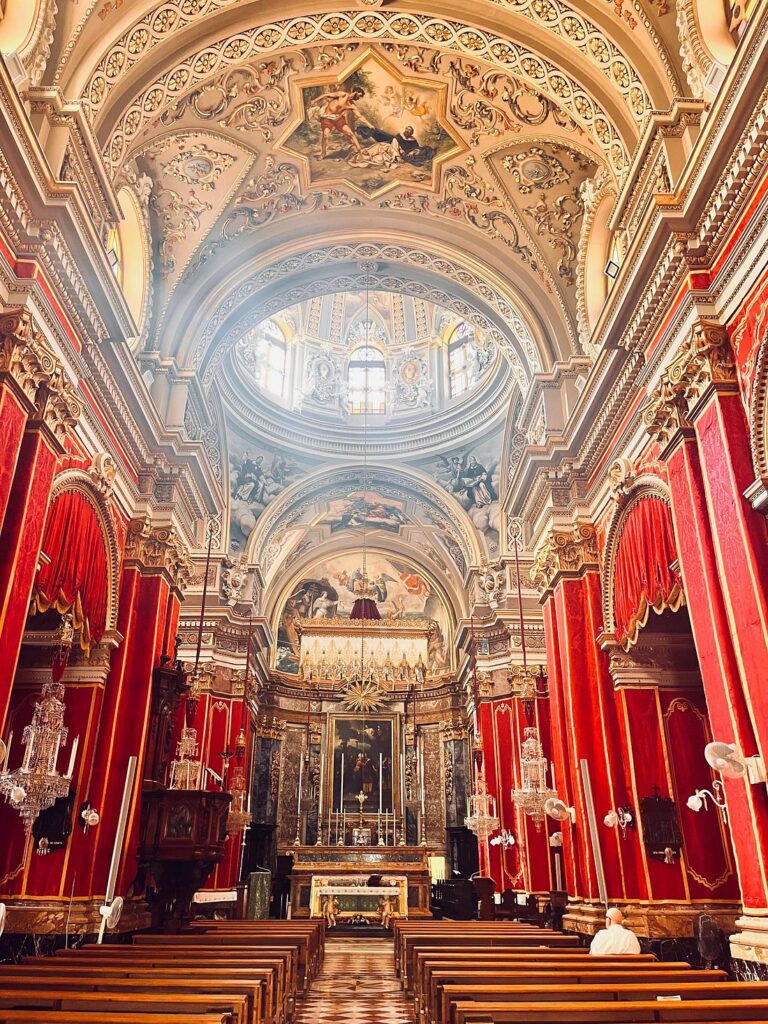
The interior of the basilica is a spectacle of light and sacred art, characterized by a Latin cross plan and a dome that floods the central nave with clarity. A standout element is its impressive cycle of ceiling paintingsby the celebrated Maltese artist Giuseppe Calìwhich masterfully narrates scenes from the life of St. Dominic and the Dominican tradition. The side altars, adorned with fine marbles and detailed carvings, house relics and artworks that have survived through the centuries, creating an atmosphere of contemplation that stands out against the local limestone.
Beyond its architectural significance, the basilica is the beating heart of one of Valletta’s most vibrant festivities. Its elevation to the rank of Minor Basilica in 1816 by Pope Pius VII underscores its hierarchical and spiritual status within the Maltese ecclesiastical structure. Despite the damage suffered during historical conflicts, the temple has been meticulously restored, preserving its exceptional acoustics and its role as a center for culture and community. Consecrated in 1815, this monument remains a bridge between the tradition of the city's early builders and the contemporary identity of Malta.