Saint Catherine of Italy (Valletta)
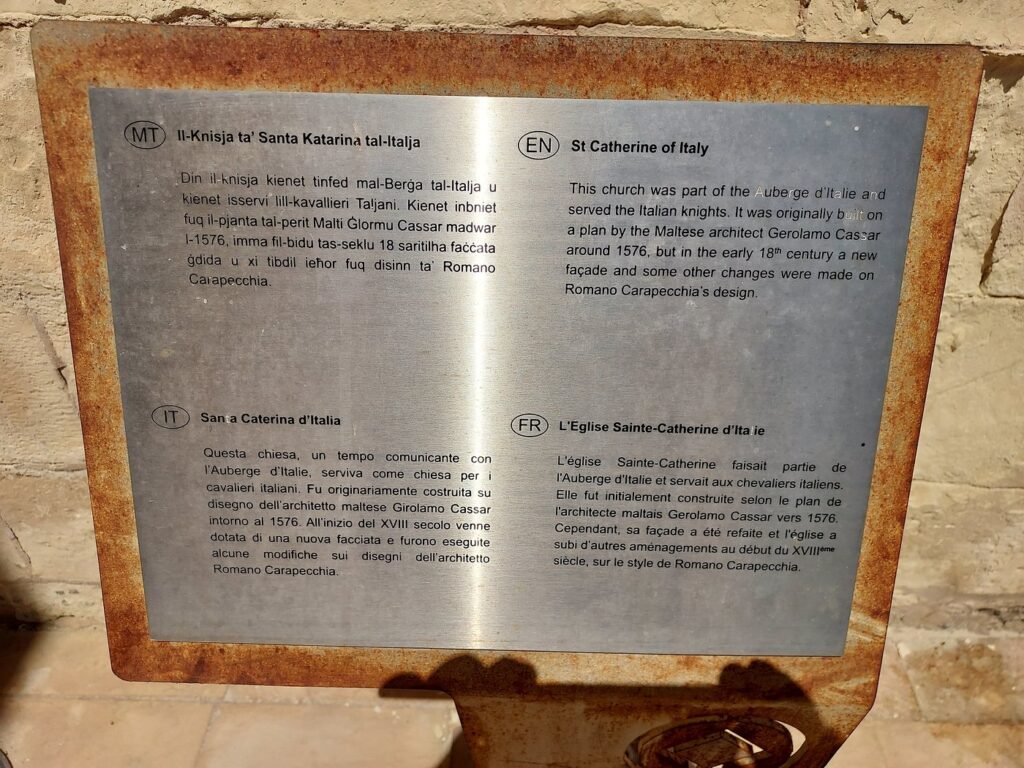
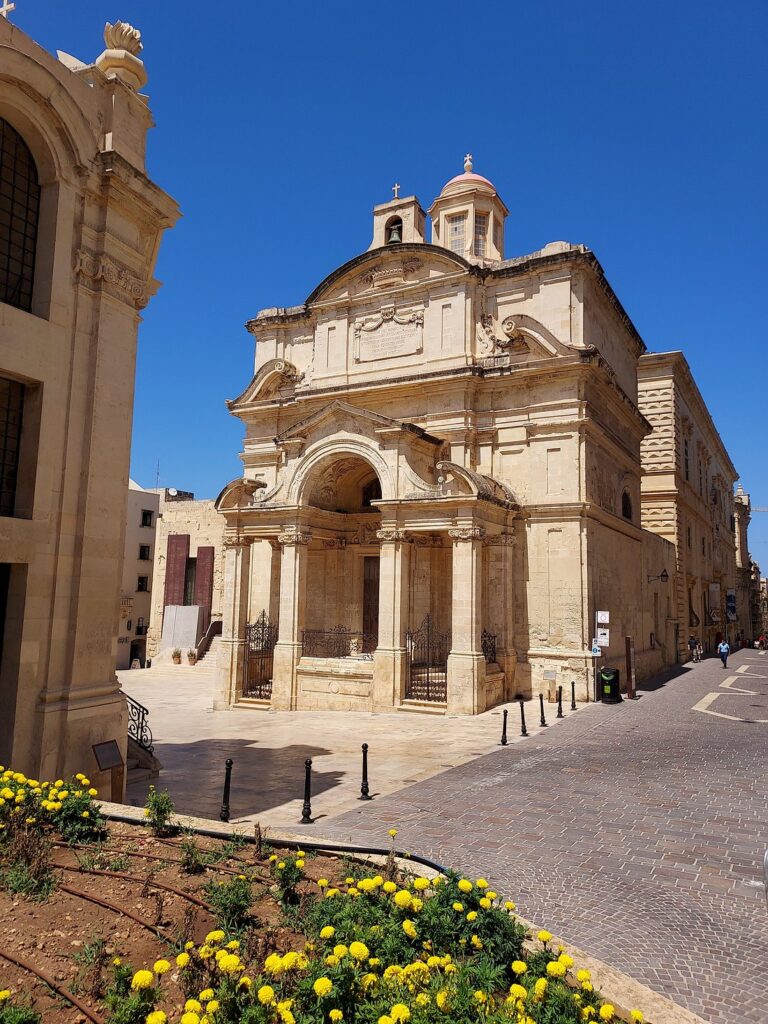
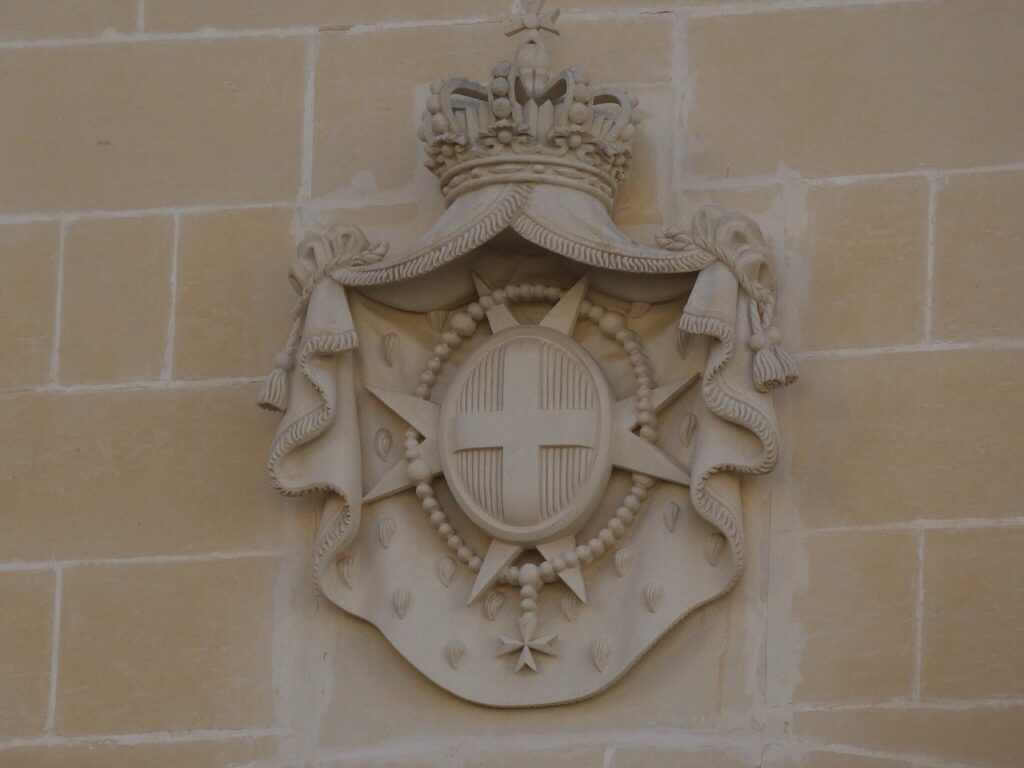
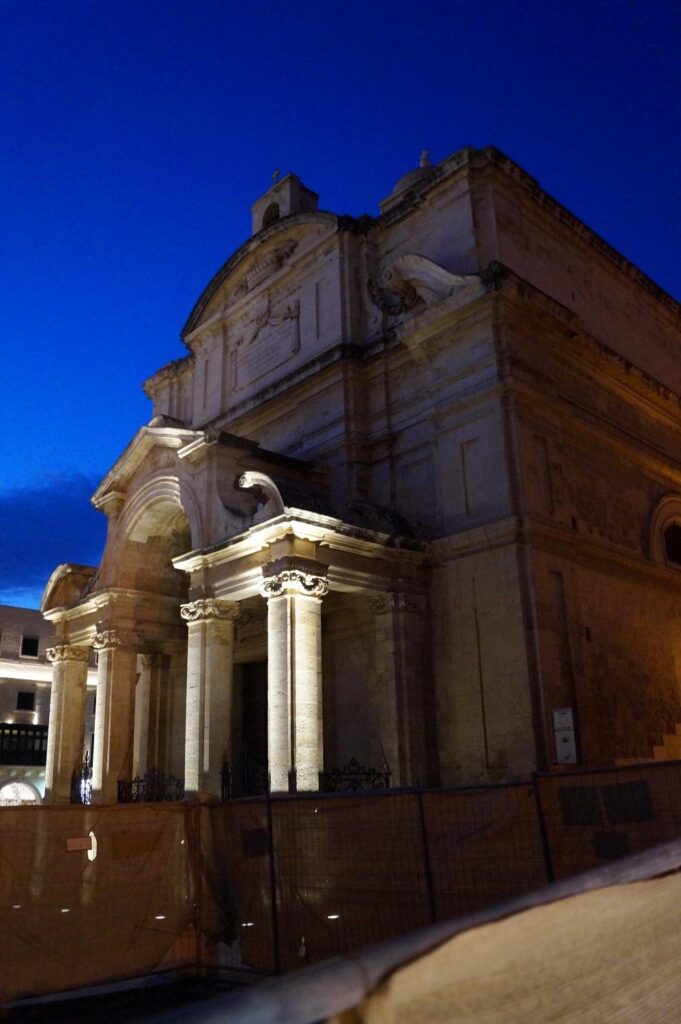
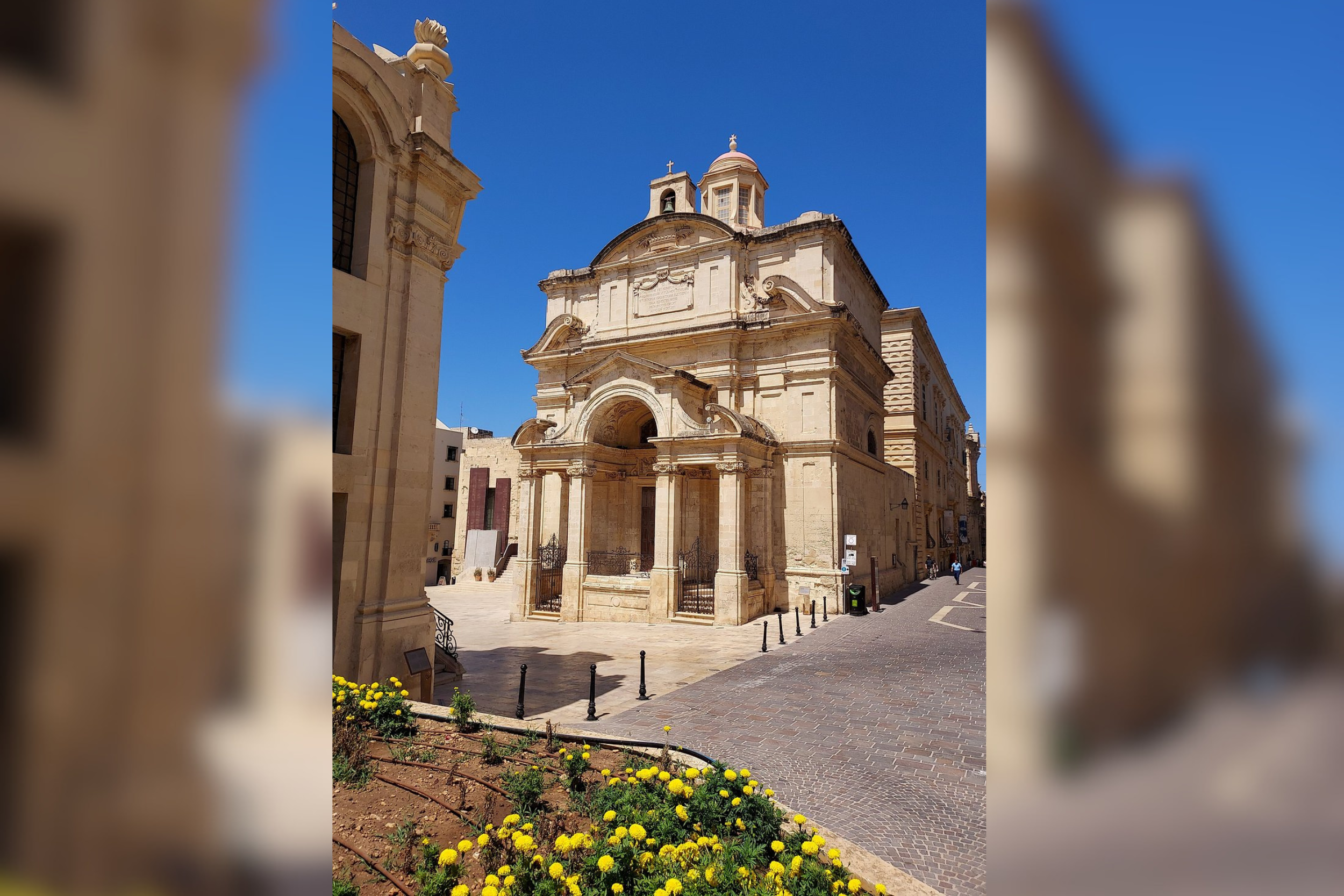
The design of the Church of St. Catherine of Italy is attributed to the prominent Maltese architect Girolamo Cassar. Built in 1576, it was commissioned by the Italian Knights of the Order of Saint John to serve as their church for the nearby Auberge d'Italie. While its original 16th-century structure followed a more modest design, the church underwent a significant expansion and architectural transformation in the early 18th century by the architect Romano Carapecchia, who introduced the octagonal floor plan and the elegant Baroque façade that define it today.
A Baroque Gem of the Italian Knights: St. Catherine of Italy
The Church of St. Catherine of Italy stands as one of the most sophisticated examples of Baroque architecture in Valletta. Strategically located next to the Auberge d'Italie and facing the Royal Opera House, its exterior is characterized by a central portico and a harmonious octagonal structure that fits perfectly into the capital's historic streetscape. As the traditional spiritual home for the Italian-speaking community of the Order, it represents the cultural and artistic ties between Italy and Malta during the era of the Knights.
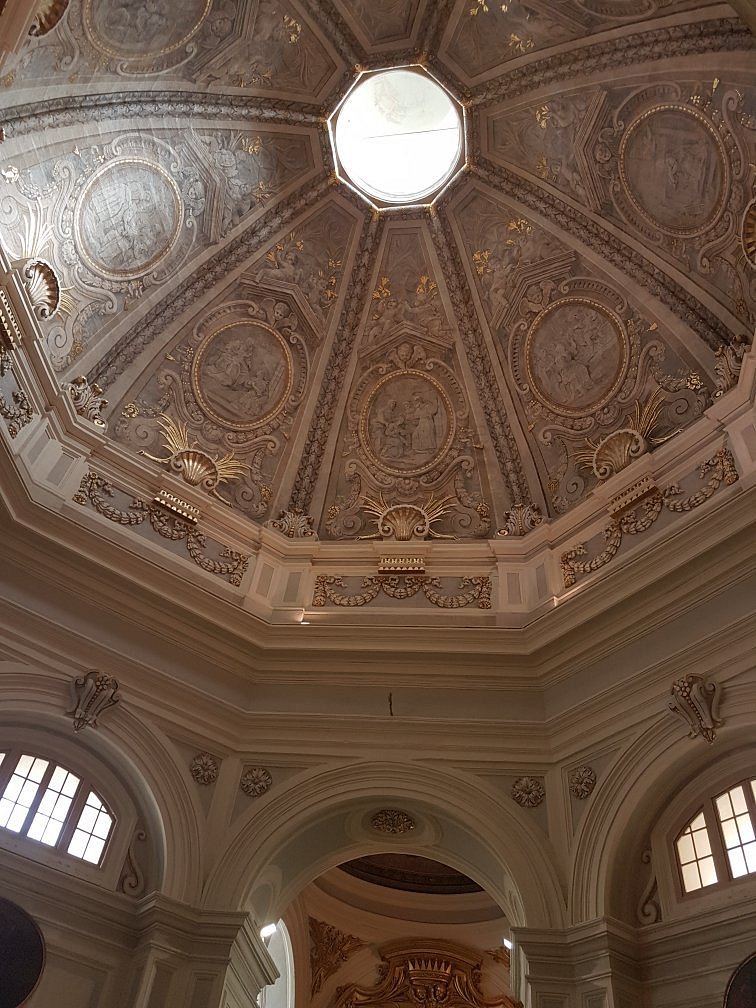
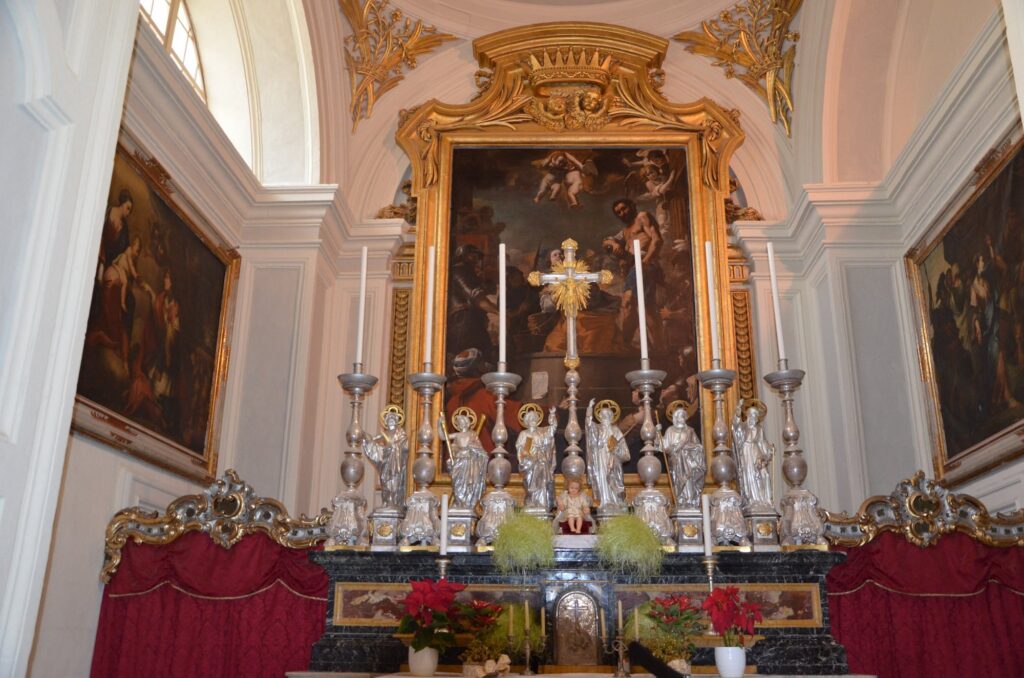
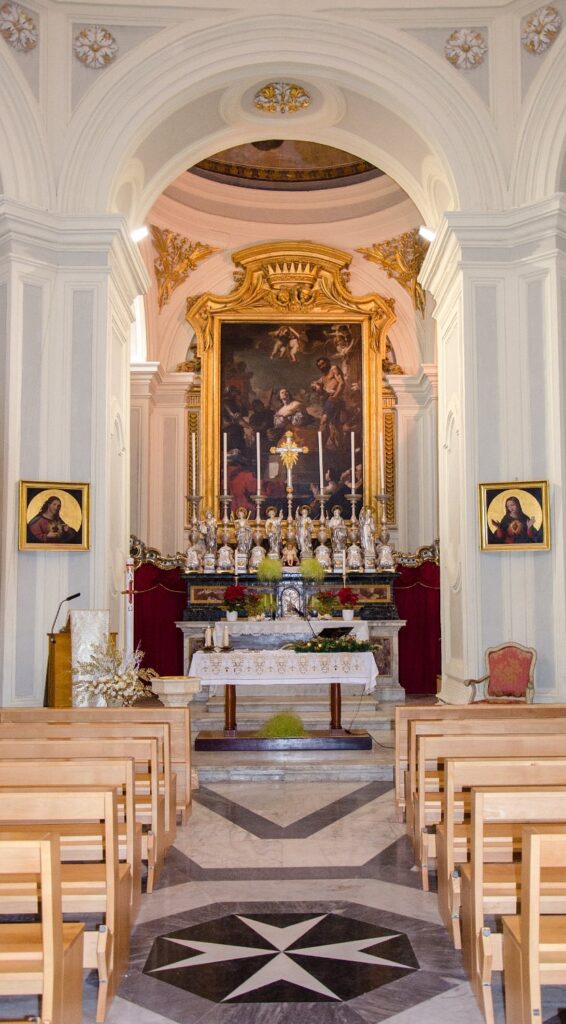
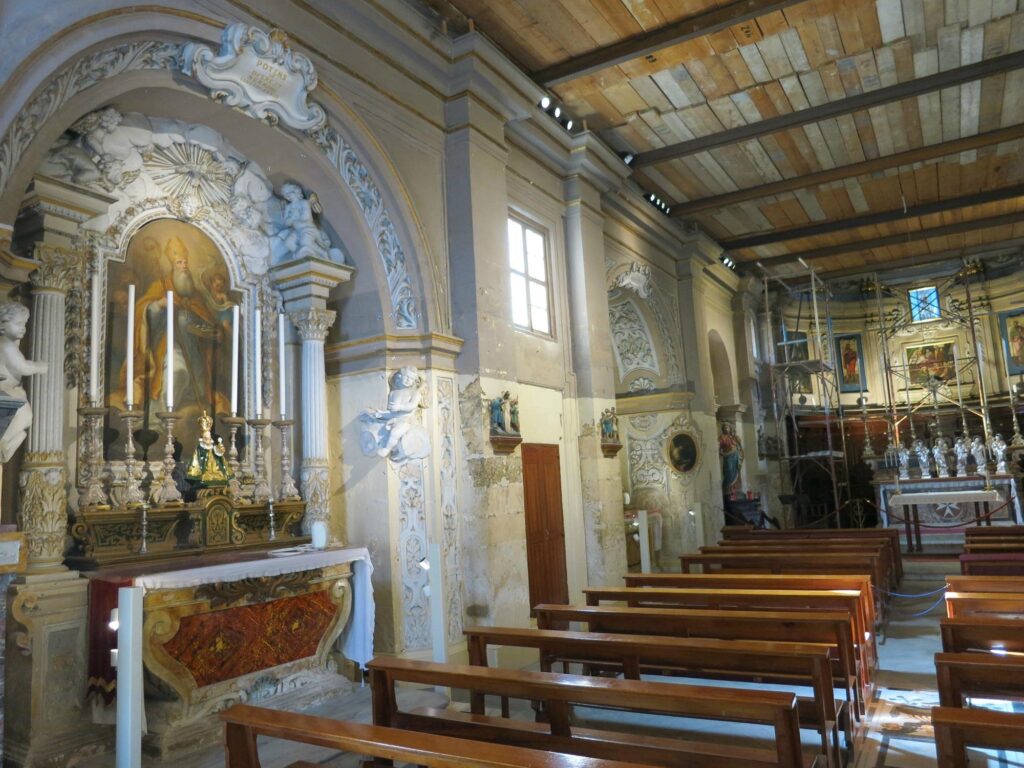
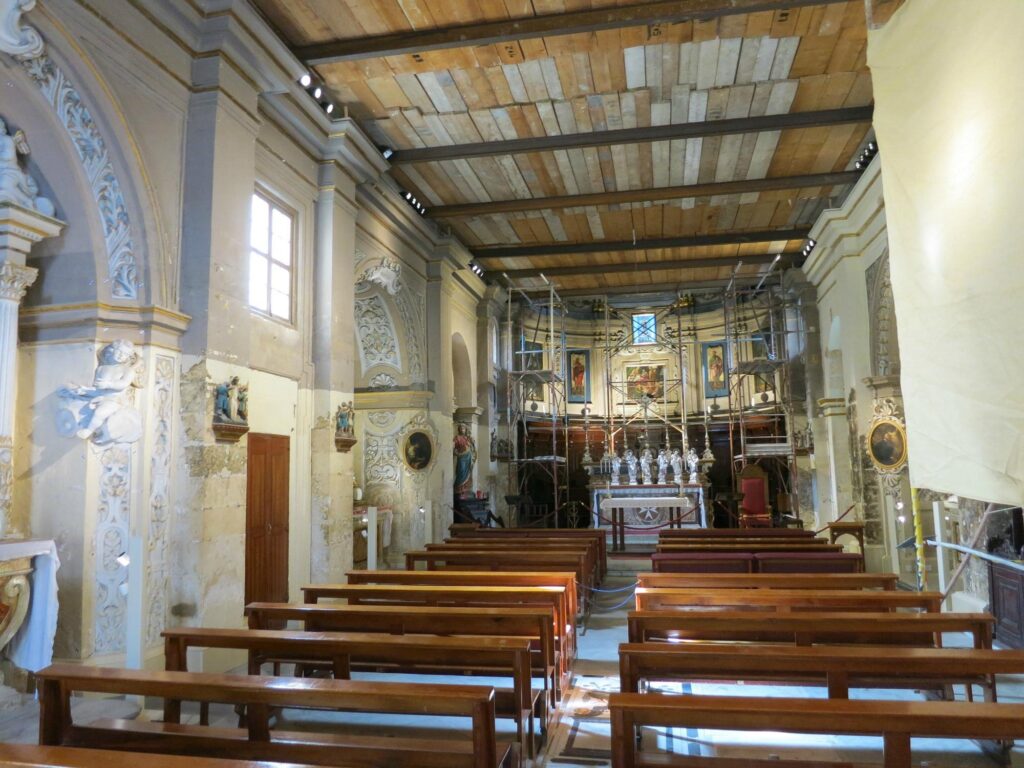
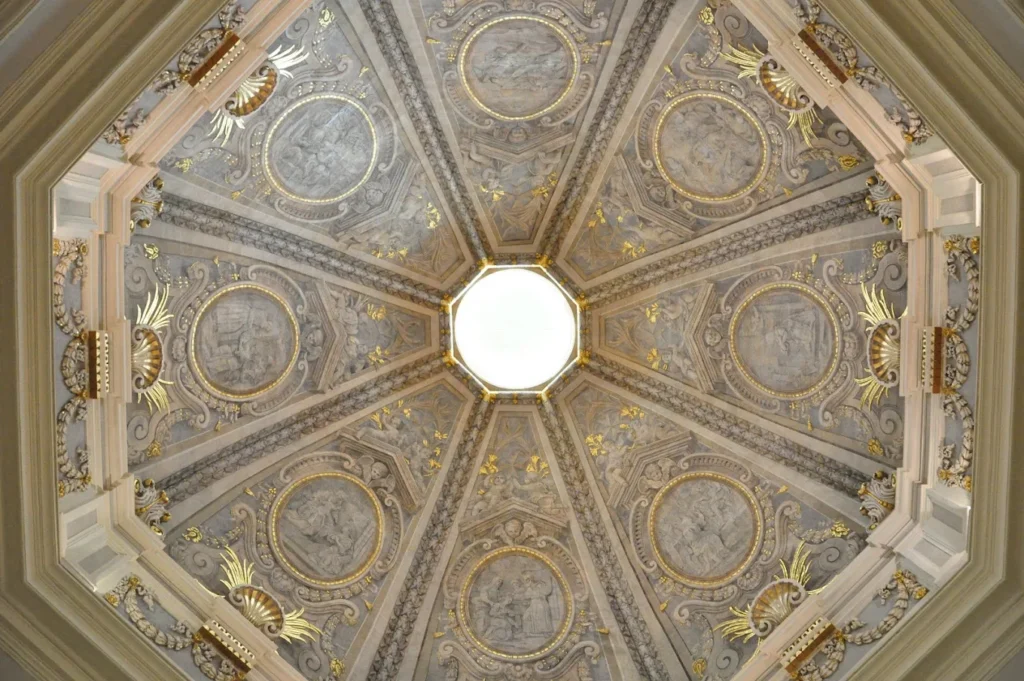
The interior of the church is a masterpiece of light and geometry. The most breathtaking feature is the magnificent dome, which was decorated in the 17th century by the renowned Calabrian artist Mattia Preti. The dome's intricate stuccoes and paintings depict scenes from the life of Saint Catherine of Alexandria, creating a sense of verticality and celestial grandeur. The high altar houses another treasure: a titular painting by Preti himself, showcasing the saint's martyrdom with the dramatic intensity and chiaroscuro that defined his legendary career in Malta.
Beyond its artistic merit, the church has survived centuries of transformation, including a delicate restoration following the aerial bombardments of World War II. Its acoustics and intimate atmosphere have made it a preferred venue for classical music recitals and cultural events in the city. Consecrated in its current form in 1713, this monument remains a vital link to the Italian heritage of Valletta, offering visitors a unique perspective on the intersection of military chivalry and high religious art.