Our Lady of Liesse Chapel
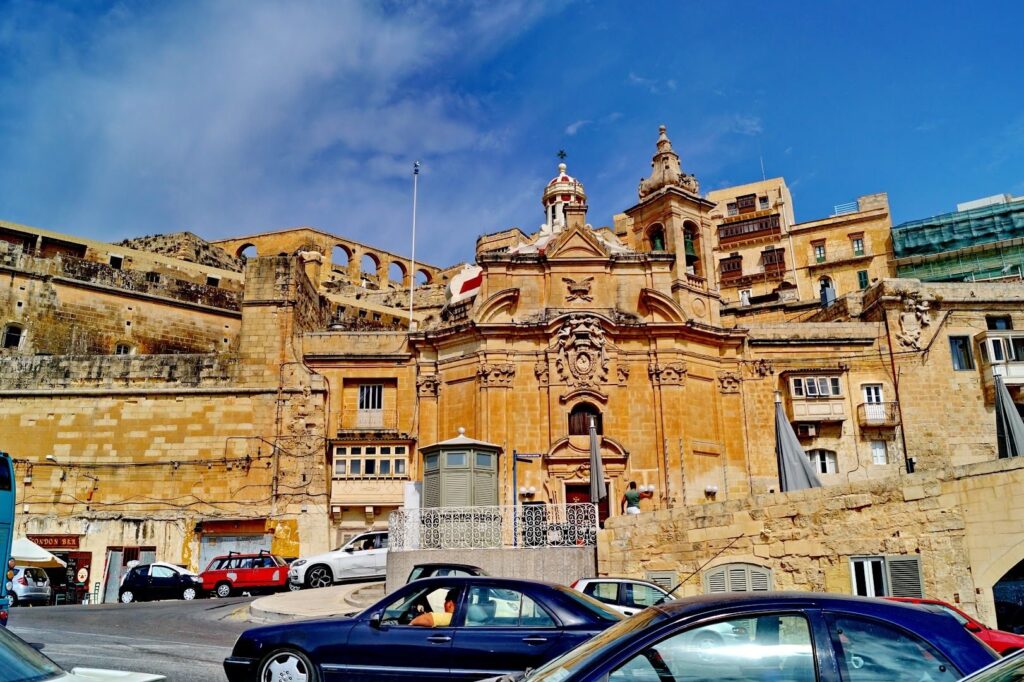
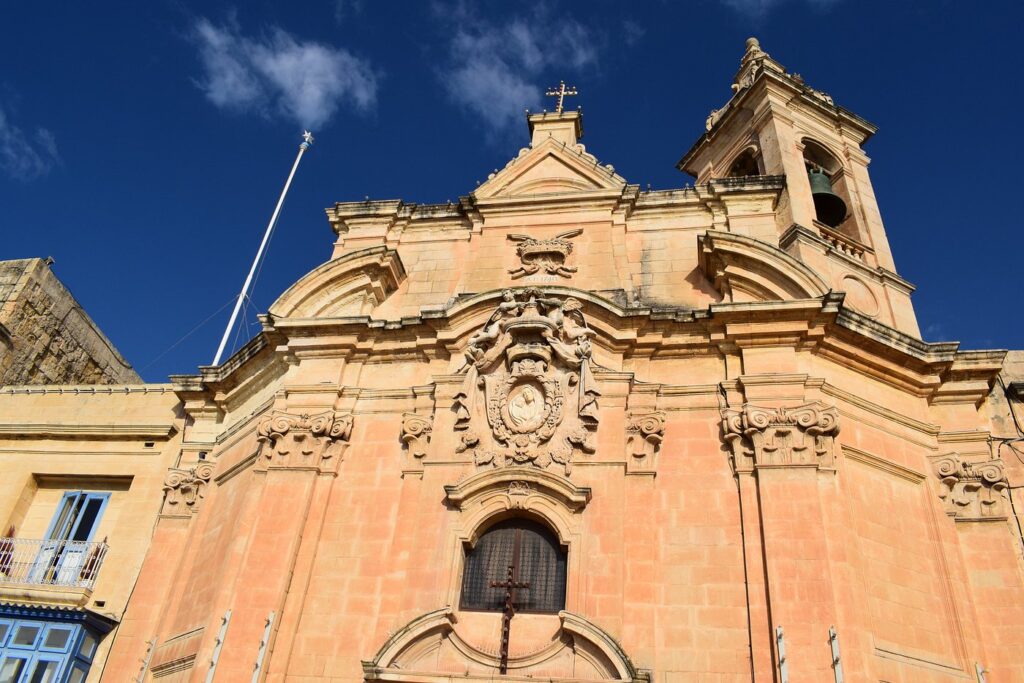
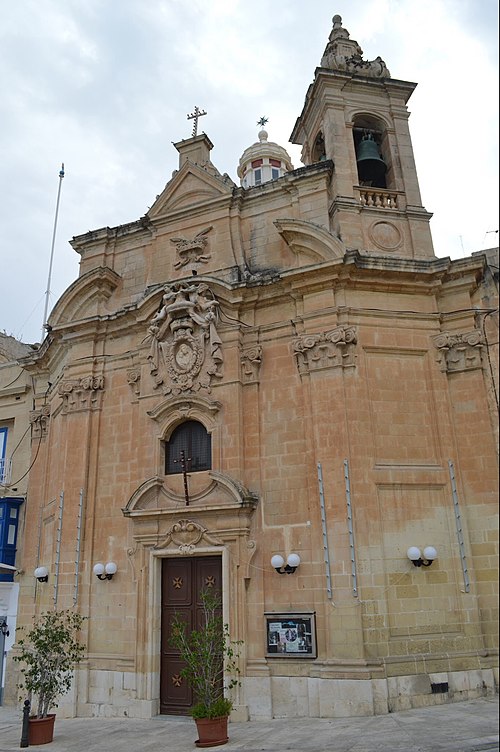
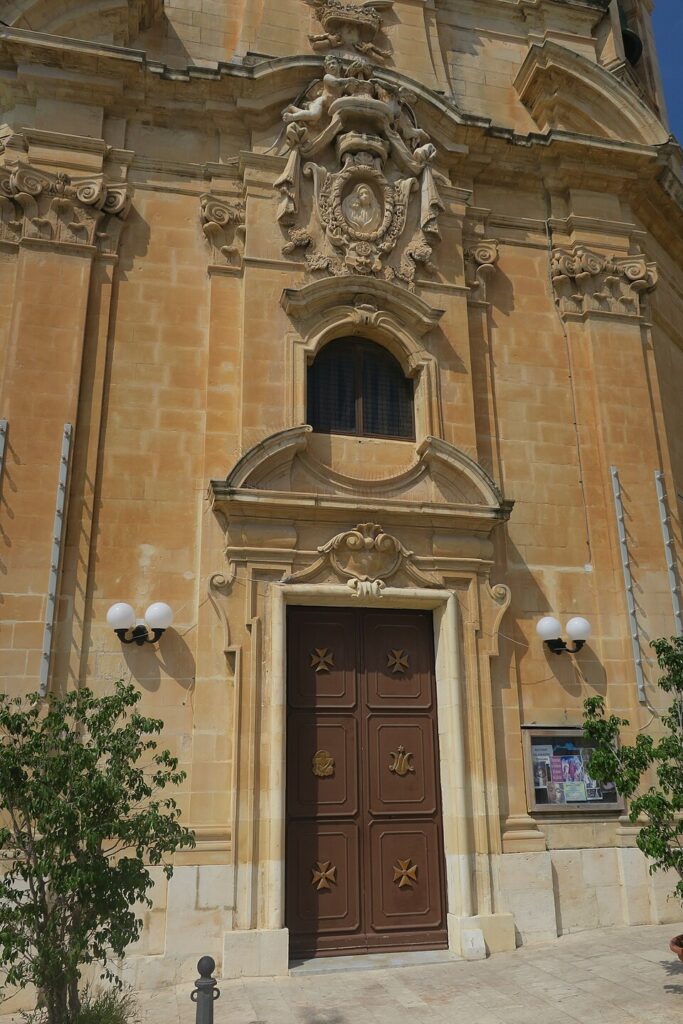
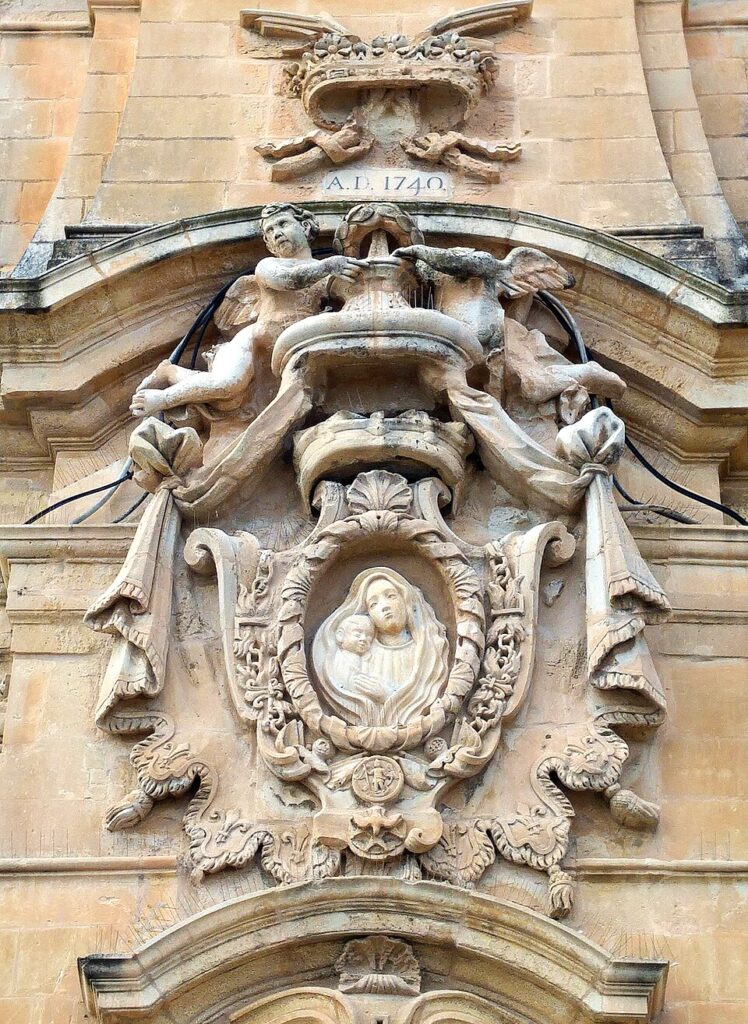
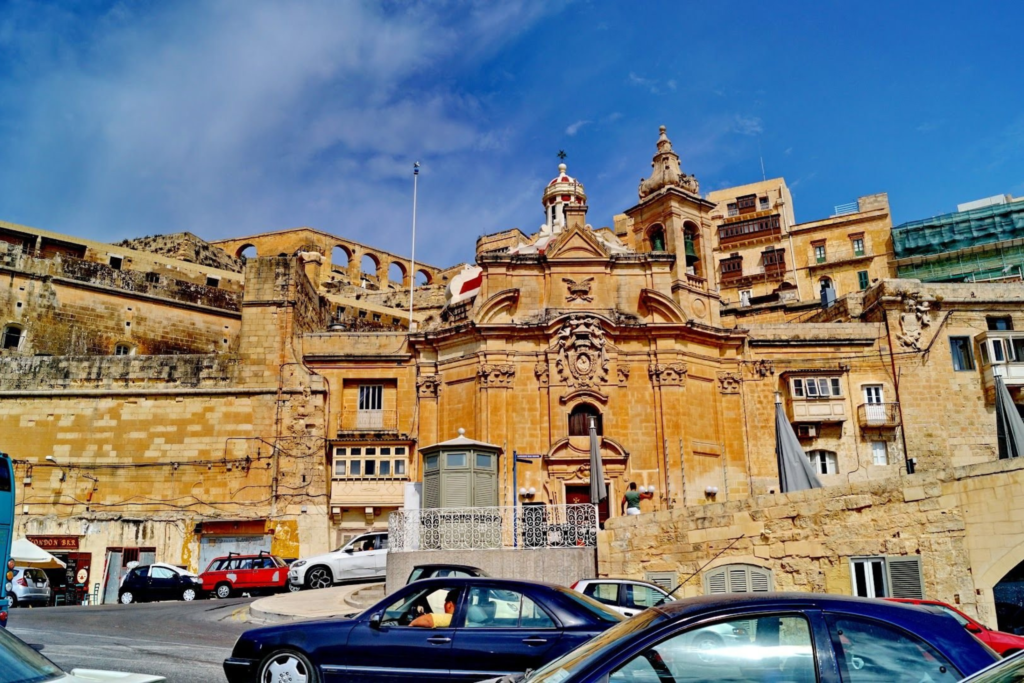
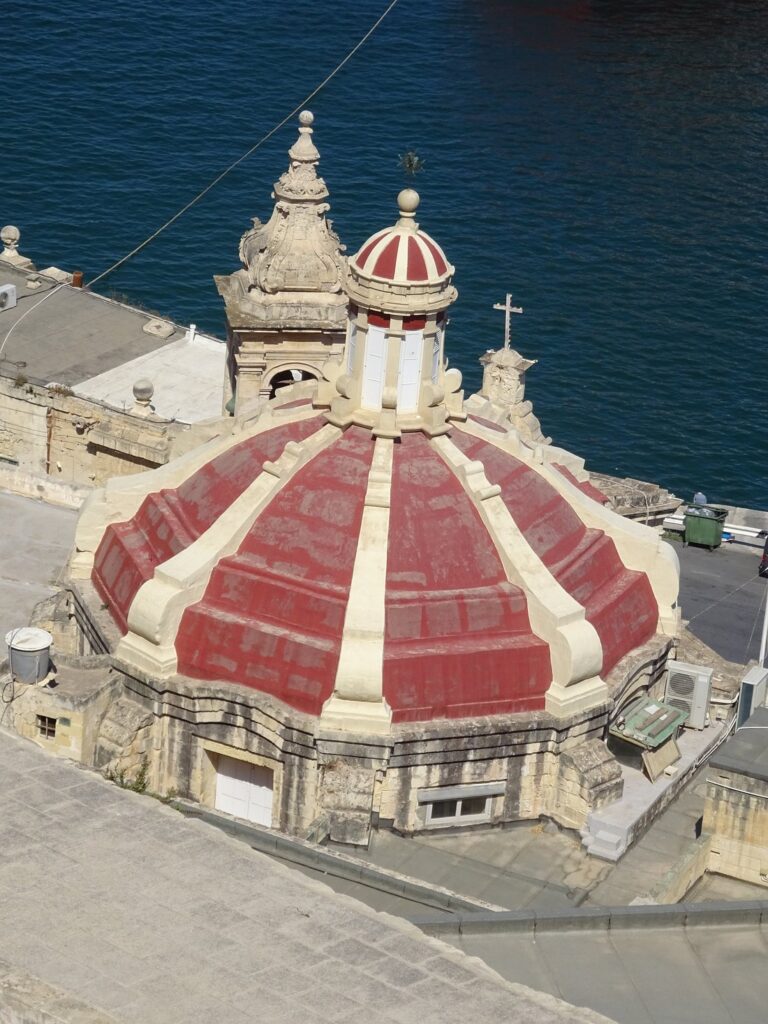
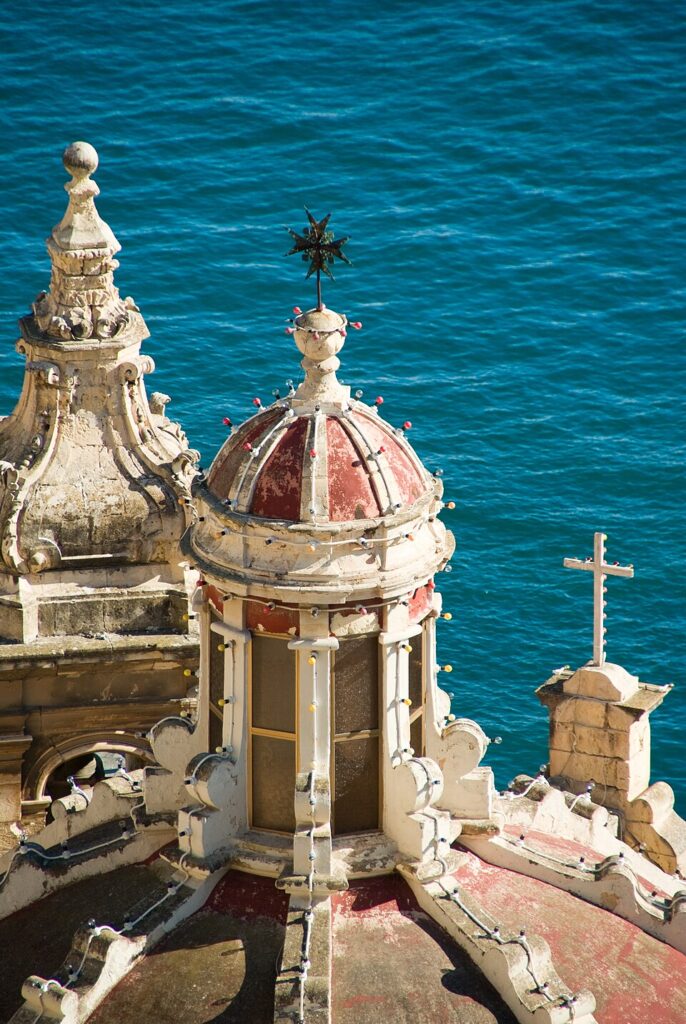
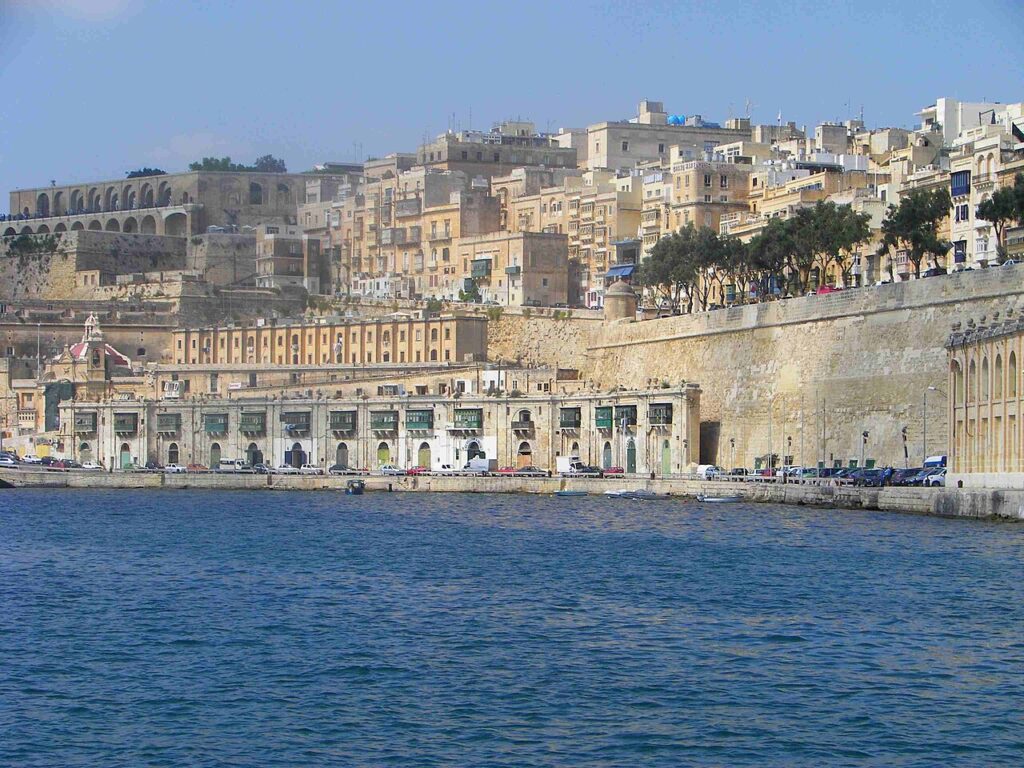
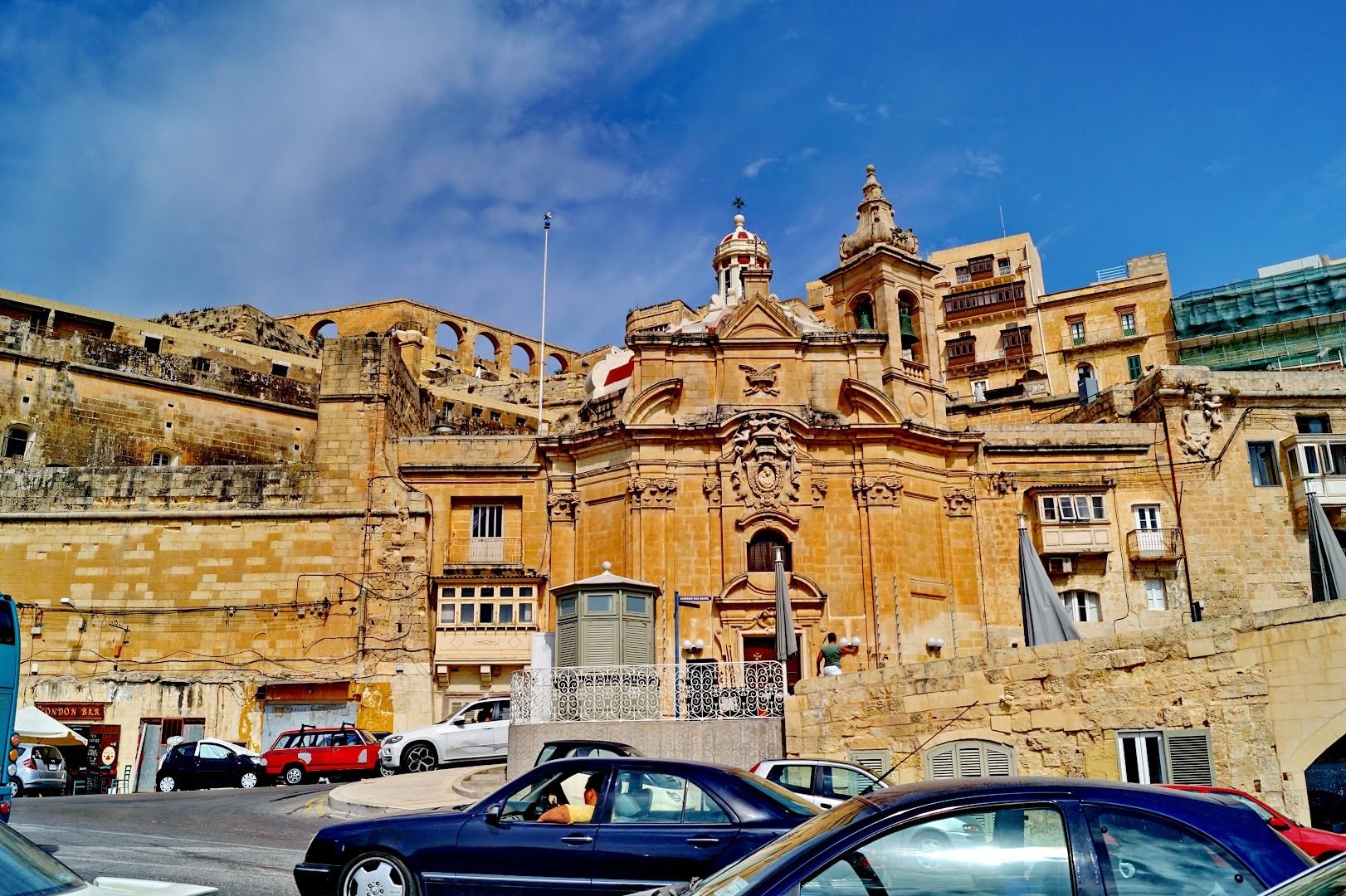
The design of the current Our Lady of Liesse Chapel is attributed to the Maltese architect Bartolomeo Garagona. Originally built in 1620 and almost entirely reconstructed in 1740this architectural gem was funded by the Langue of France of the Order of St. John. Situated in a privileged position overlooking the Grand Harbour near Victoria Gate, the church is an exquisite example of Maltese Baroque. Its elegant façade and small but perfectly proportioned dome make it one of the first buildings to greet those arriving in the capital by sea.
A Beacon of Faith over the Harbour: Our Lady of Liesse
The Our Lady of Liesse Chapel is a living testament to Malta’s legends and maritime history. Its dedication is linked to the miraculous story of three Knights of the Order who, during the Crusades, were freed from captivity in Egypt through the intervention of the Virgin Mary. Due to its strategic location at the water's edge, the church quickly became the spiritual center for the sailors, stevedores, and merchants who brought Valletta's port to life, serving as a sanctuary of peace amidst the constant movement of vessels.
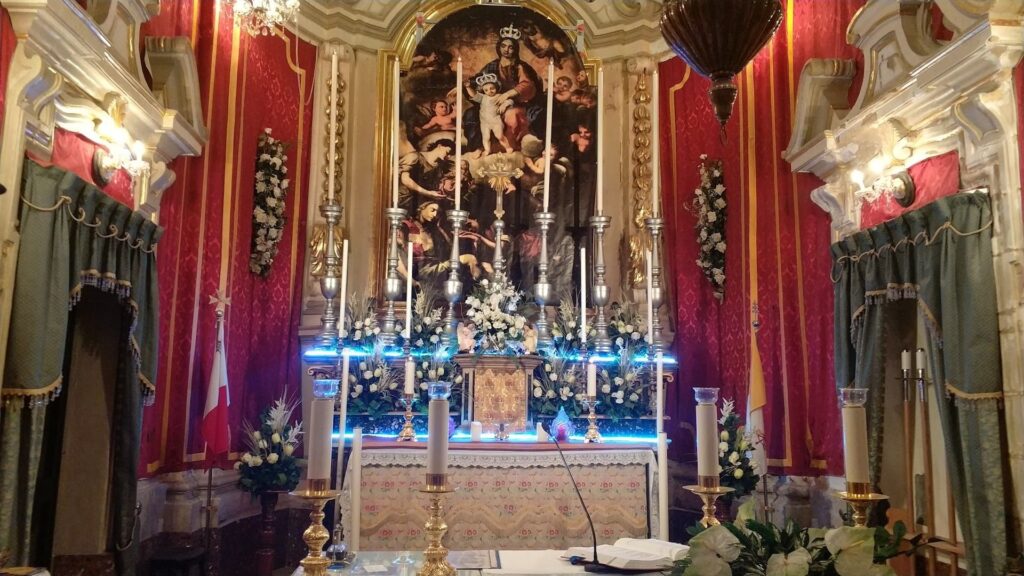
The interior of the chapel, though intimate in scale, stands out for its refinement and natural light. The high altar houses an impressive titular painting depicting the Legend of Liesse, a work that captures the essence of divine protection over the Knights. The interior decoration, with its detailed stuccoes and selected marbles, reflects the refined taste of the French knights who patronized it. Despite suffering damage during the intense bombings of World War II, meticulous restoration has returned the temple to its original splendor, preserving its atmosphere of serenity and ancient devotion.
Beyond its artistic value, Liesse is a key point in Valletta's identity. Its proximity to the shoreline links it directly to port traditions, serving as the starting point for various religious celebrations related to the sea. The building integrates organically into the city’s fortifications, offering one of the most picturesque views of the capital. Consecrated in its current form in 1740, this chapel remains a bridge between the chivalric tradition of France and the unwavering faith of the Maltese maritime community.