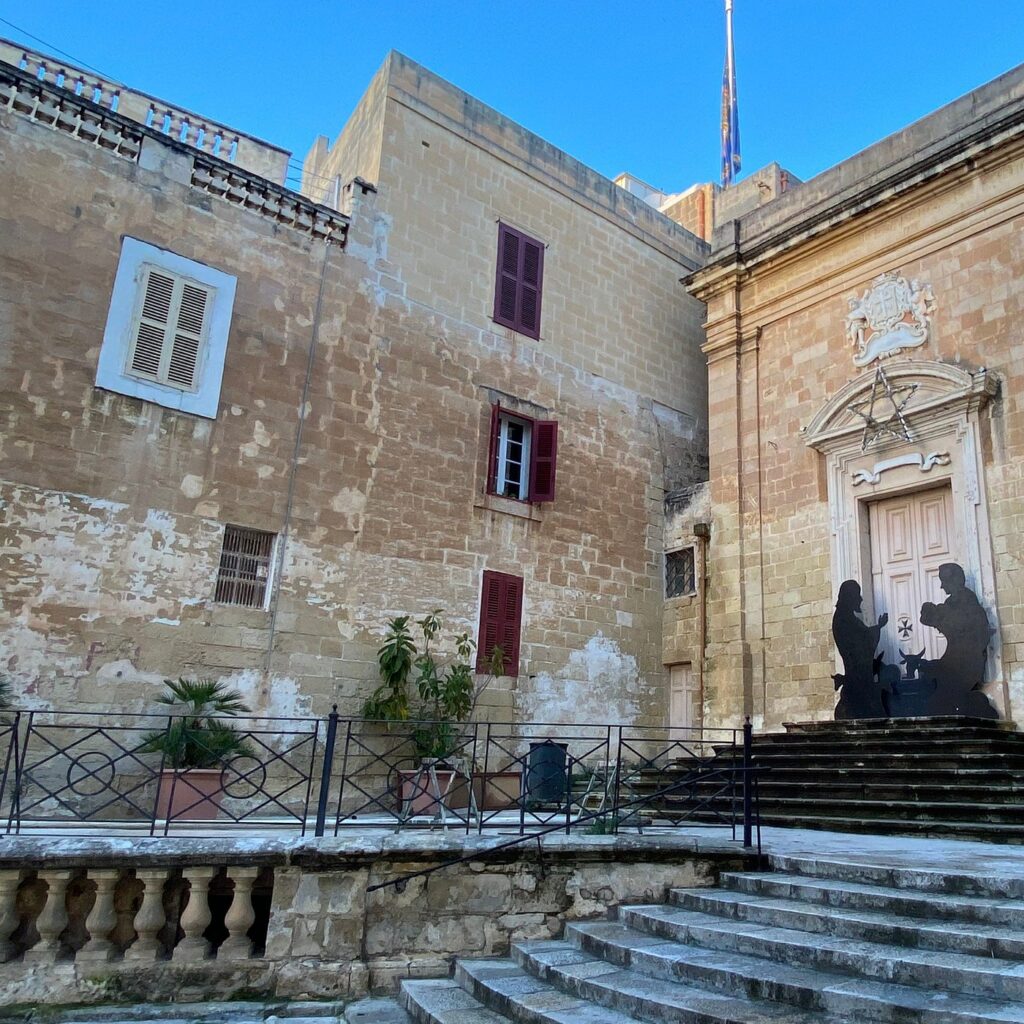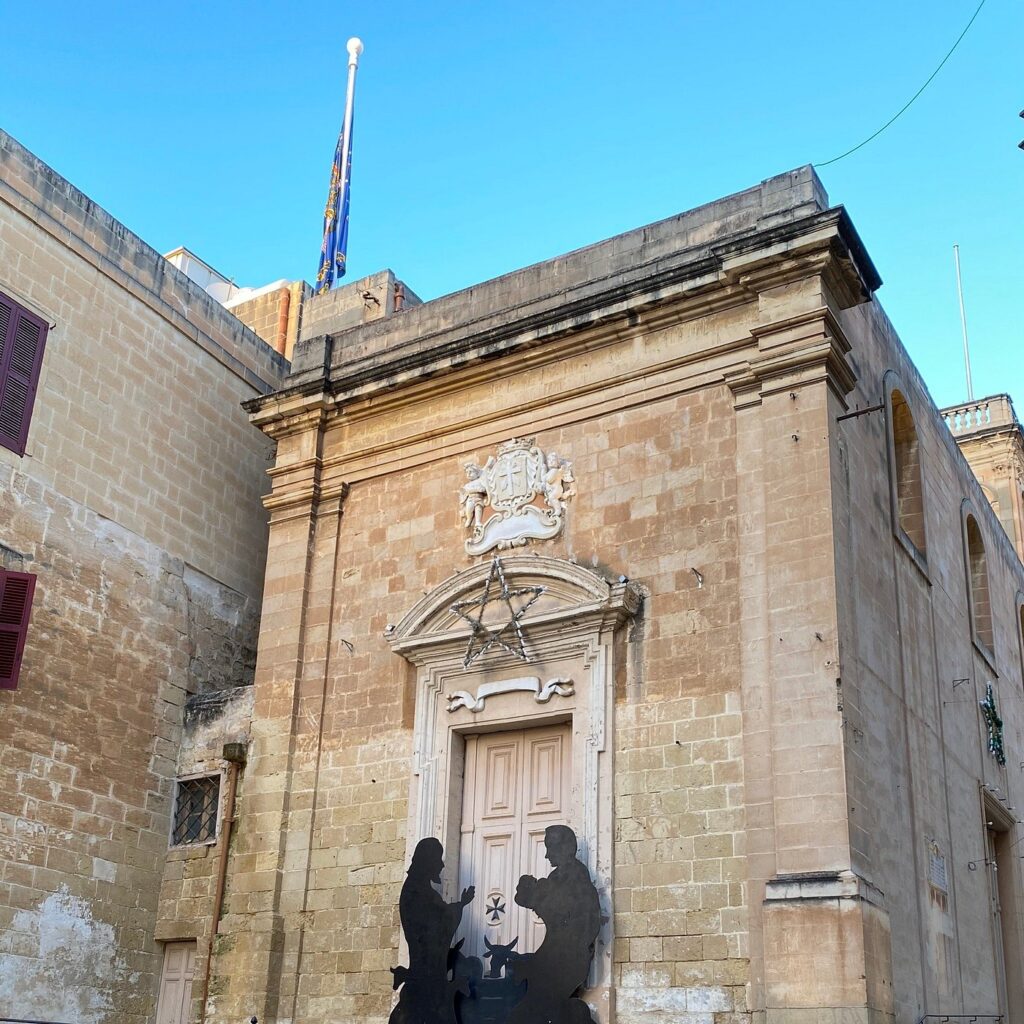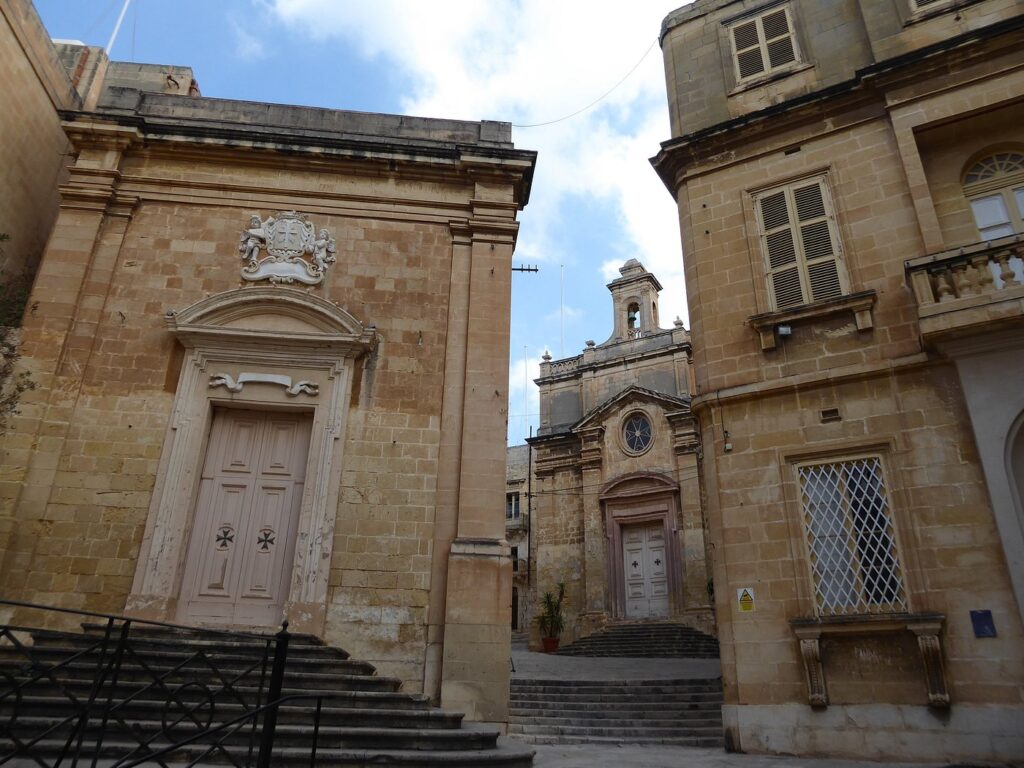
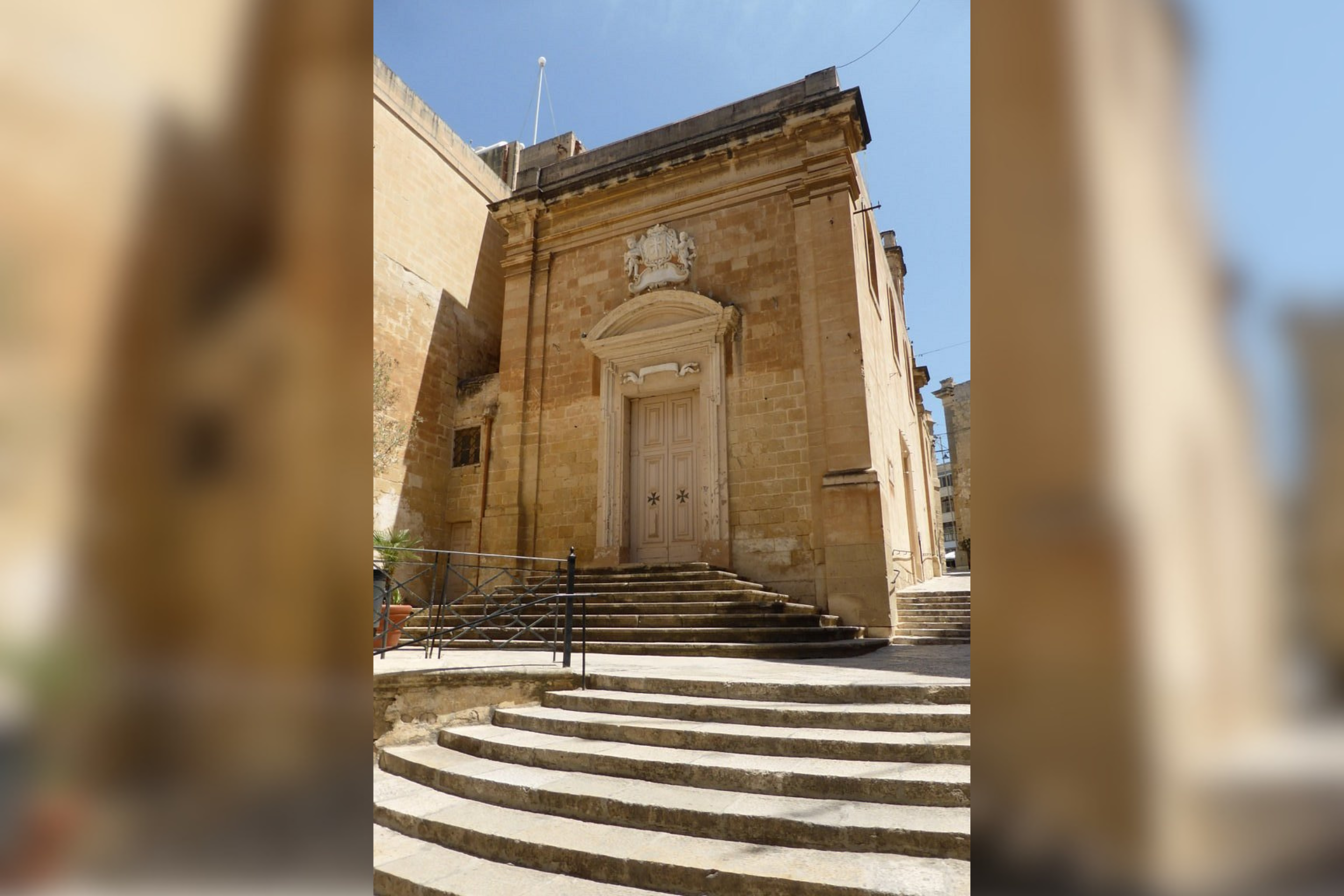
The design of Holy Cross Church (Salib Imqaddesis originally attributed to the Capuchin Order, having been built in 1590Located in the upper part of Birgu (Vittoriosa), near the city's fortifications, this church and its annexed friary were the first to be established by the Capuchins in Malta after their arrival in 1588. Unlike the more ostentatious parish churches, this temple reflects the spirit of humility and simplicity inherent to the Franciscan order, maintaining a sober architecture that has survived centuries of sieges and changes on the island.
Humility and Resilience: The Holy Cross of Birgu
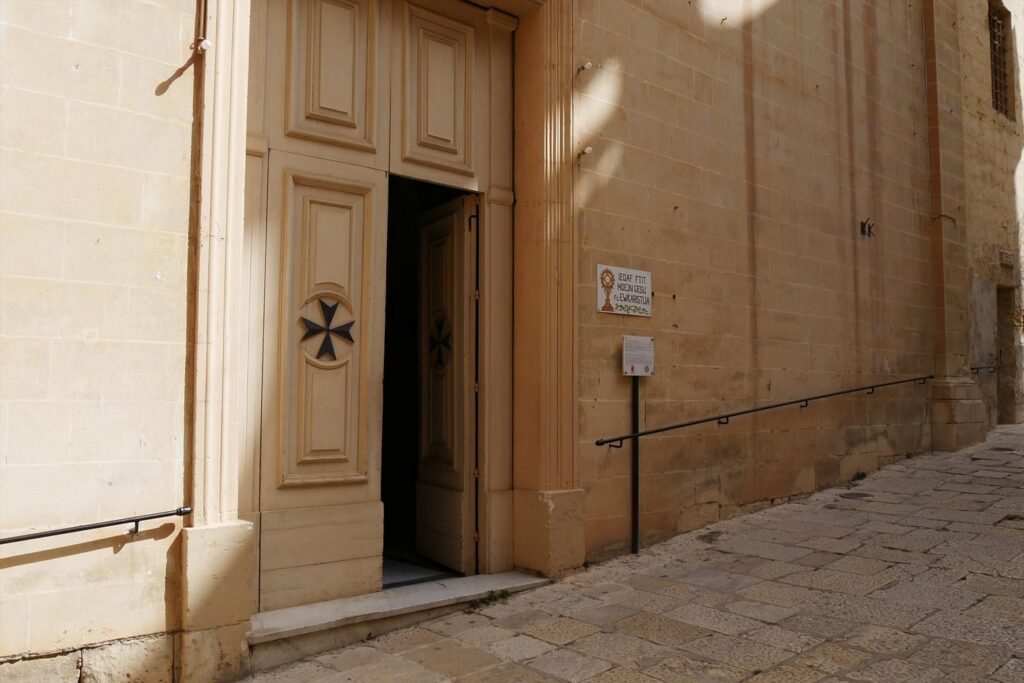
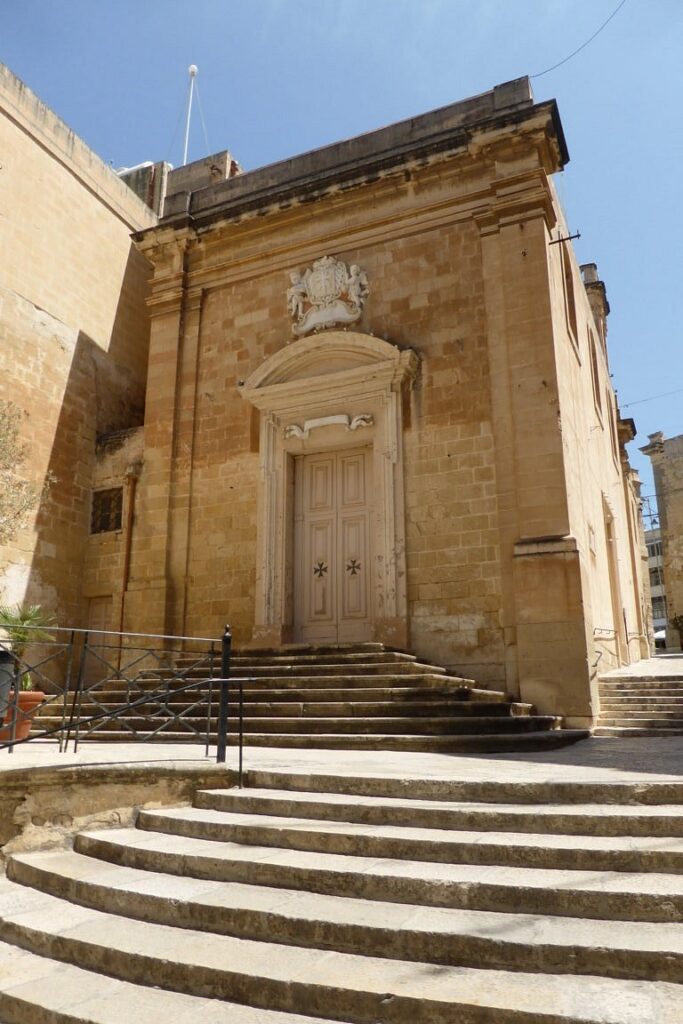
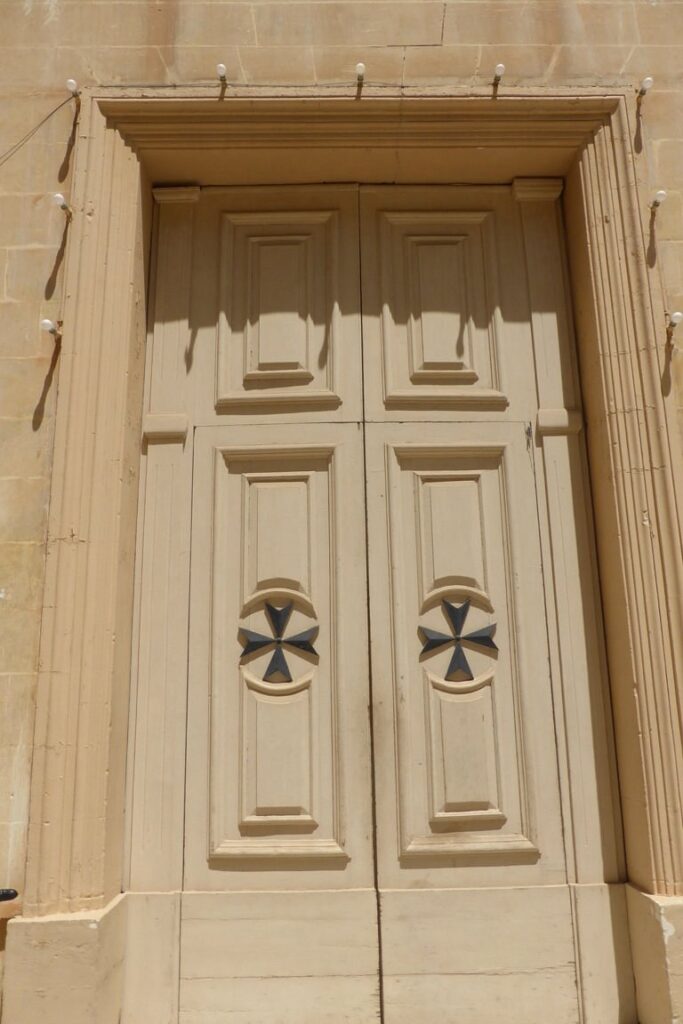
The Church of the Holy Cross stands as a symbol of the most austere spiritual life within the fortified city. Being situated in an elevated area, the friary offered a retreat of silence away from the military and maritime bustle of the Grand Harbour. During the rule of the Knights of St. John, the Capuchin friars of this church were fundamental in caring for the sick and wounded, earning the respect of both the nobility and the Maltese people. Its limestone facade, characterized by straight lines and minimal ornamentation, is a perfect example of 16th-century functional religious architecture, designed to withstand the test of time without seeking earthly glory.
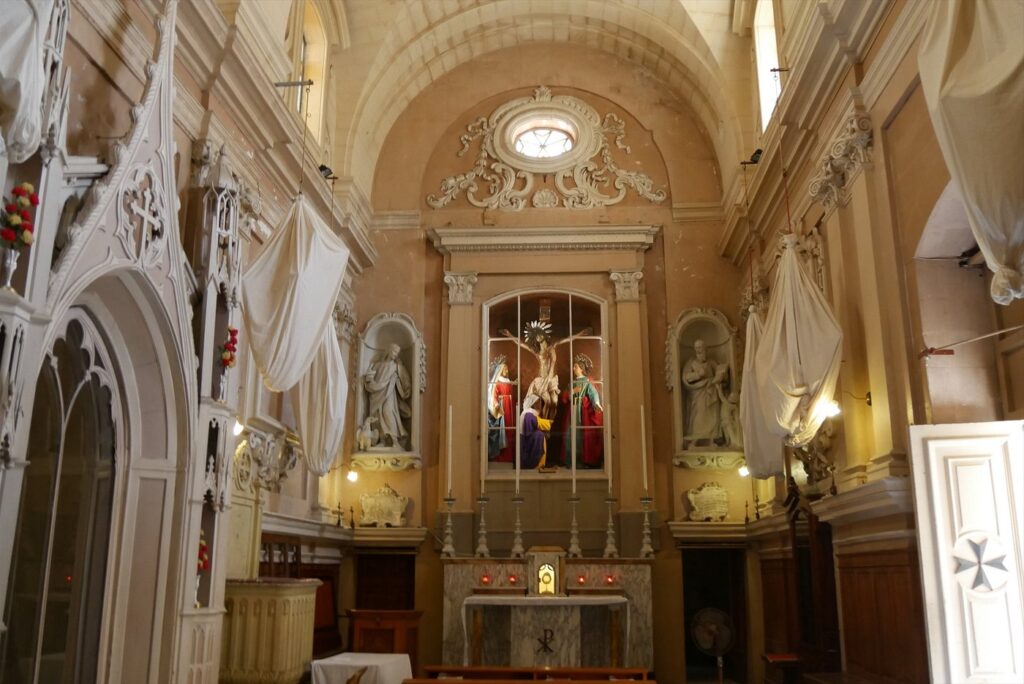
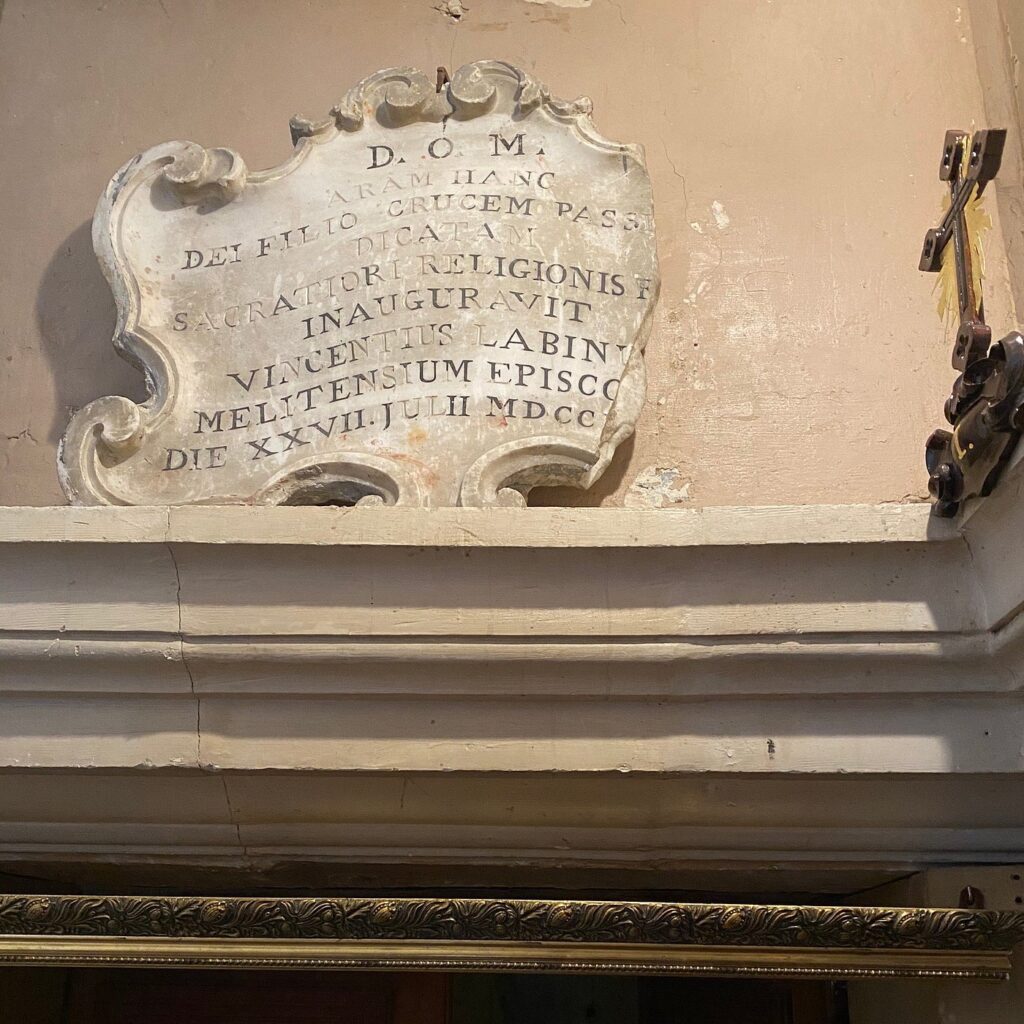
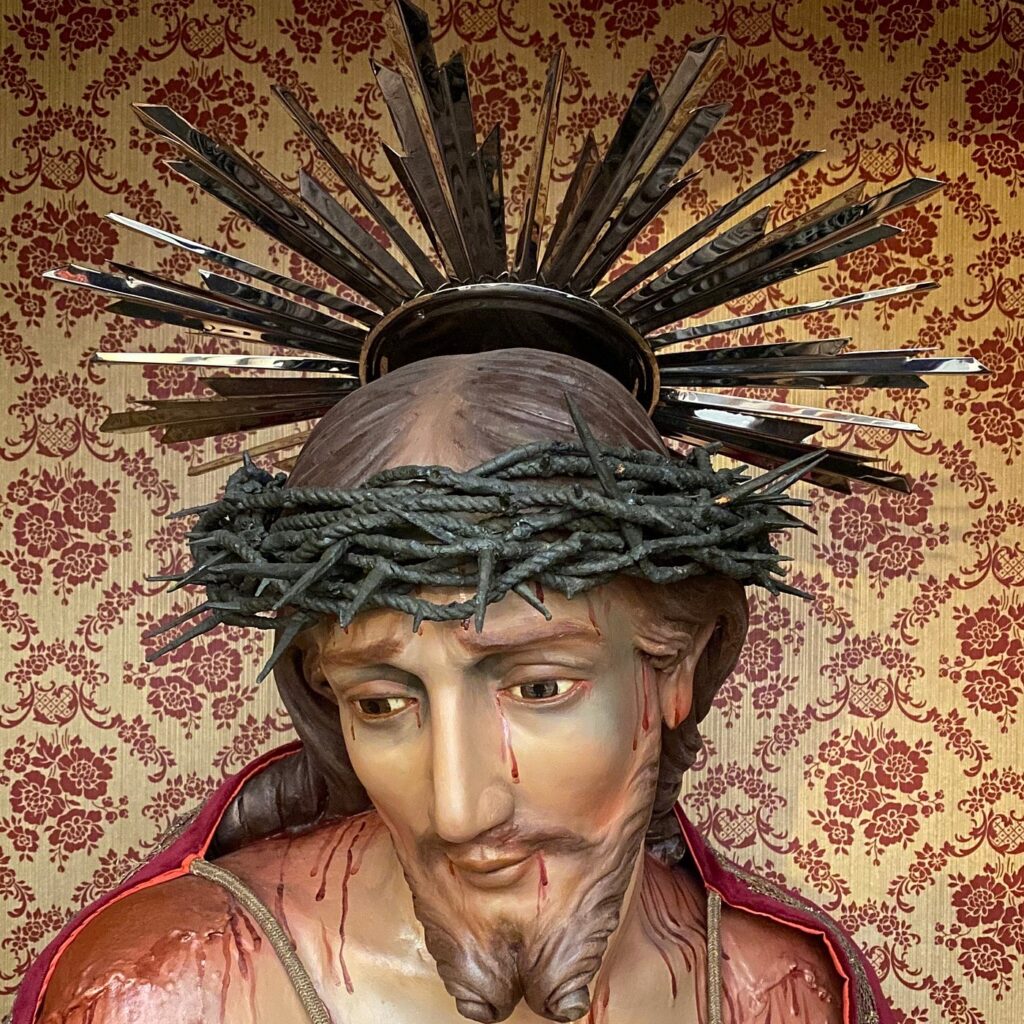
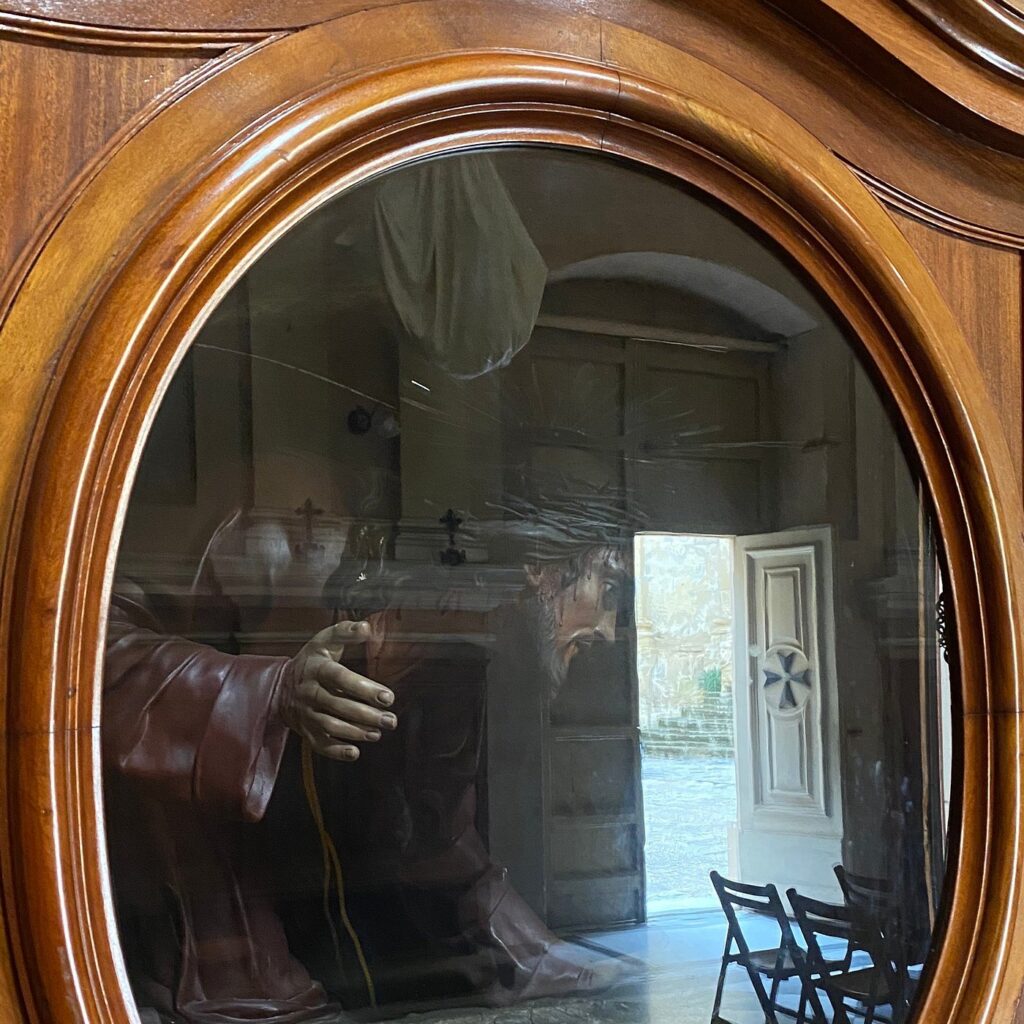
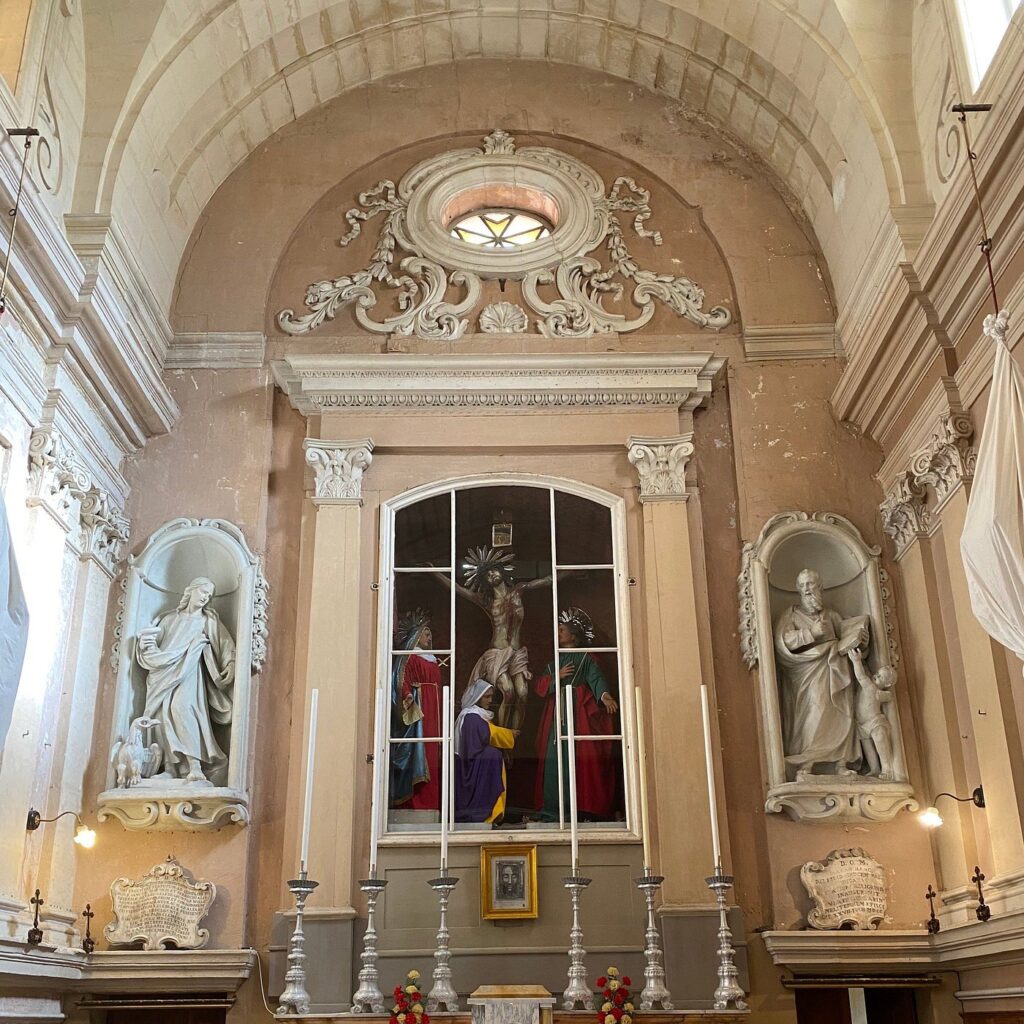
The interior of the church is noted for its decorative simplicity and its atmosphere of deep prayer. The centerpiece is the high altar, which houses a representation of the Holy Cross, the symbol of redemption and the central focus of the community's devotion. Unlike other churches in Birgu, you will not find ornate frescoes or excessive gilding here; instead, the warmth of the bare stone and natural light create a space of absolute serenity. Beneath the temple floor lie crypts where many of the friars who dedicated their lives to serving Birgu now rest, adding a layer of history and solemnity to the site.
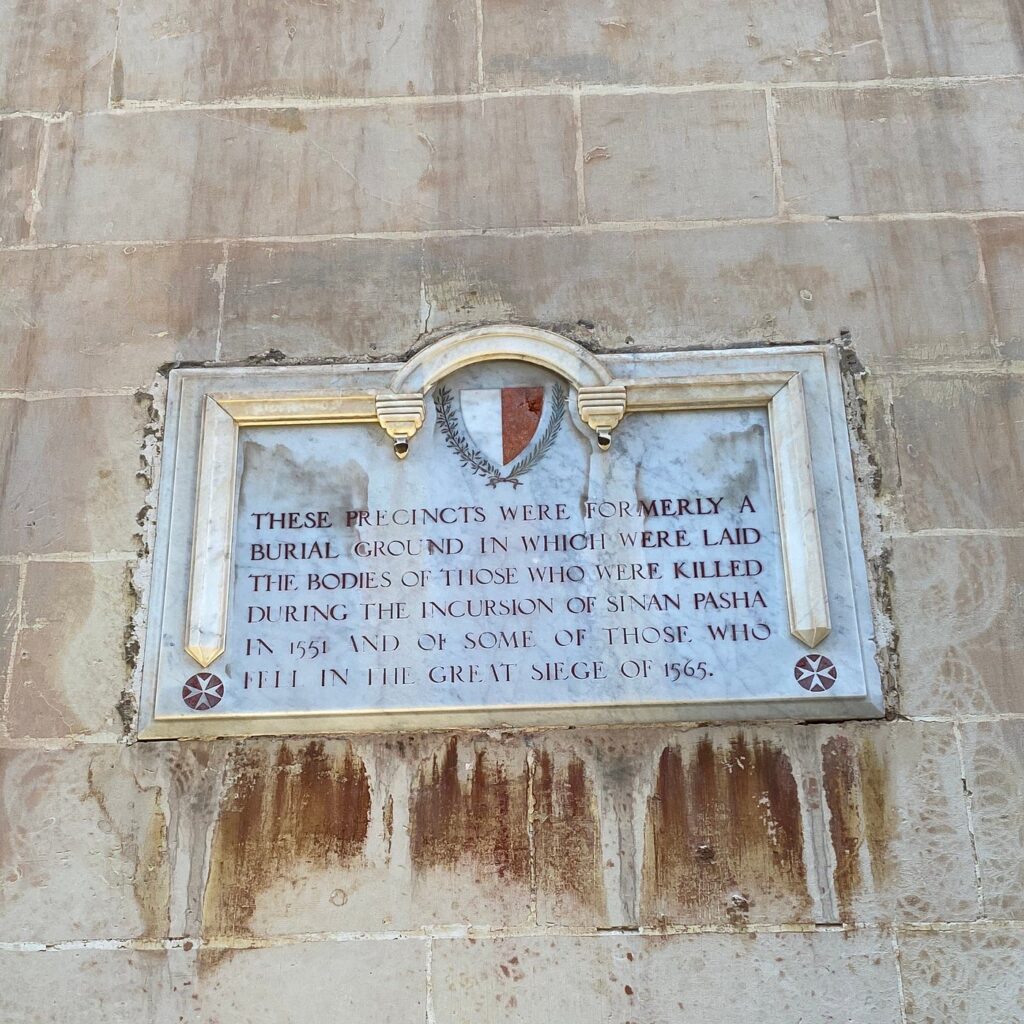
Beyond its architecture, the church represents the order's resilience in the face of adversity. During World War II, although the area suffered significant damage due to its proximity to the harbor, the Holy Cross complex remained a point of spiritual support for residents taking refuge in the nearby tunnels. Today, it continues to be a haven of peace for those seeking to escape the tourist pace of the Three Cities. Consecrated as a sanctuary of humility amidst the fortress, the Holy Cross Church is an essential stop to understand the diversity of faith and charity in Maltese history.