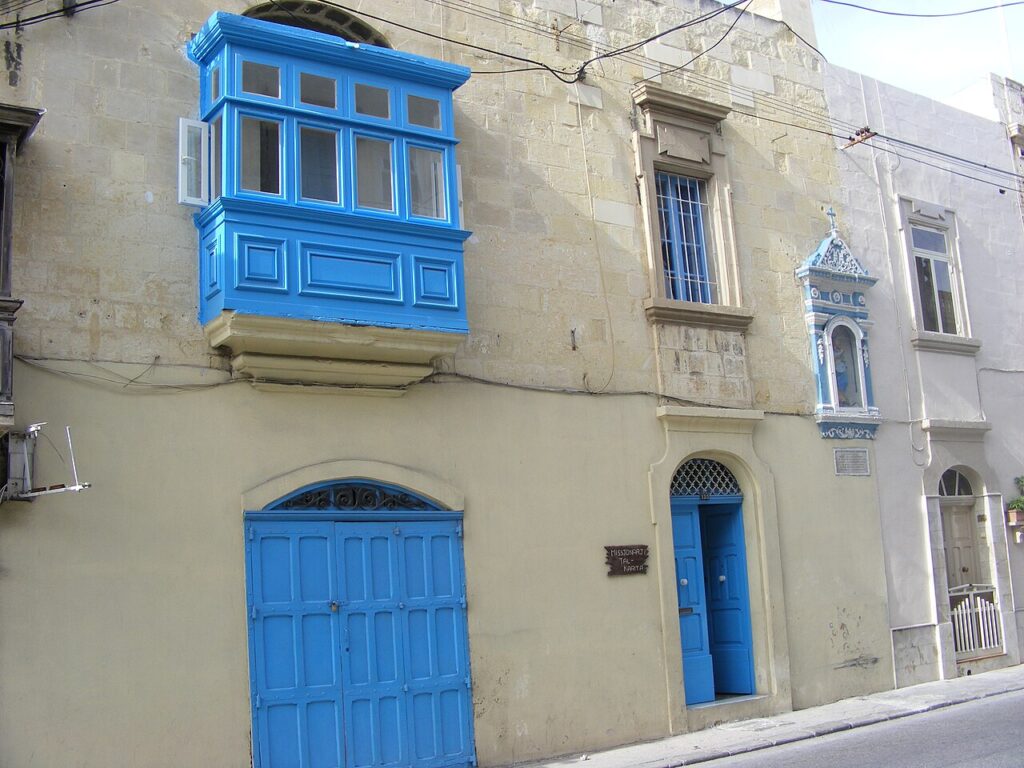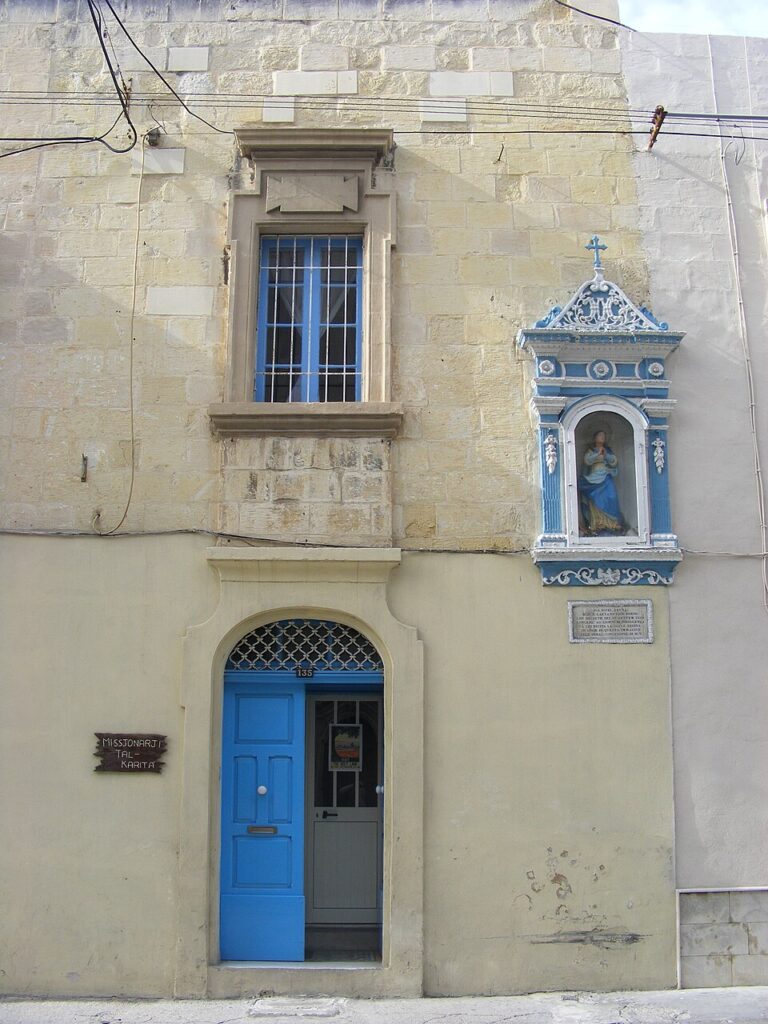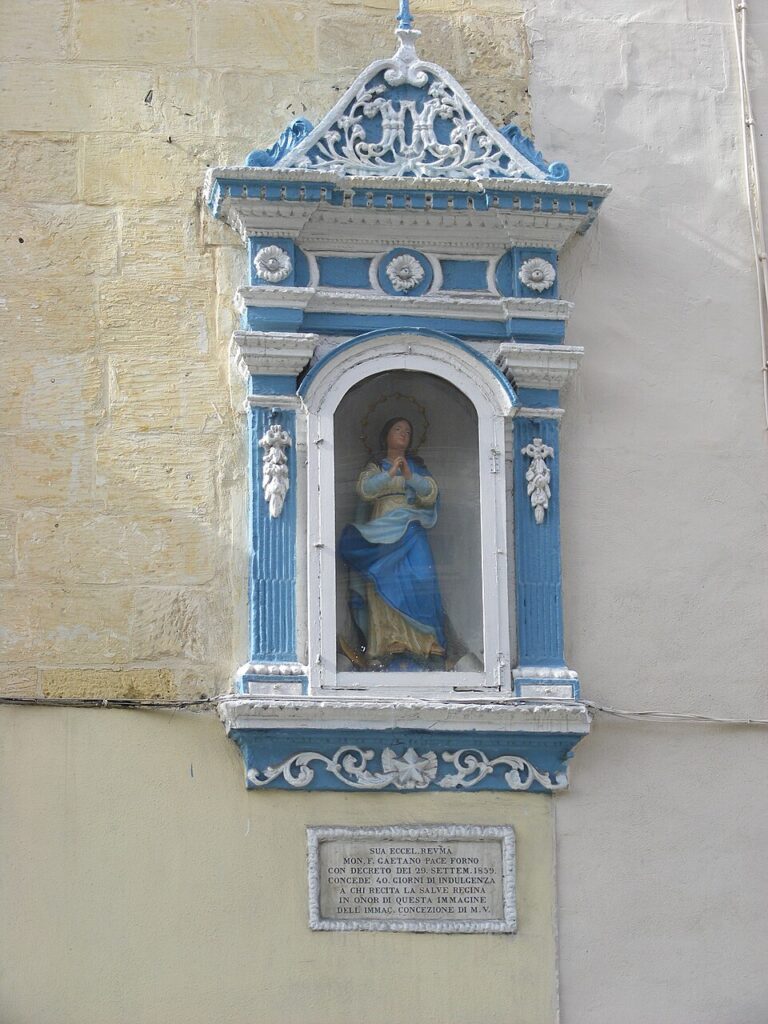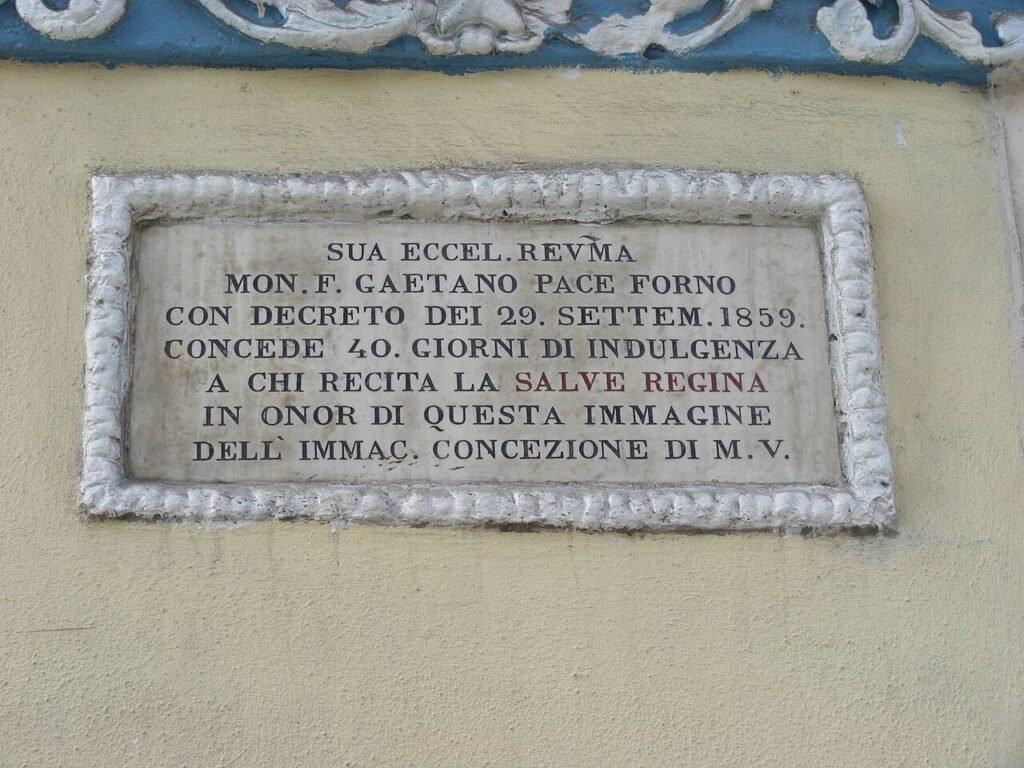
The design of Missionaries of Charity Chapel (Cospicua / Bormla) is a work of contemporary religious architecture with a deeply functional and austere focus, having been adapted in its current form during the second half of the 20th centurySituated in the heart of Cospicua . Situated in the heart of Cospicua (Bormla), this chapel is part of the convent of the sisters founded by Mother Teresa of Calcutta. Unlike the city’s monumental temples, this space stands out for its extreme simplicity and a design stripped of superfluous ornaments, created to reflect the vow of poverty and service to the most needy that defines this international congregation.
Humility and Service: Mother Teresa’s Legacy in Bormla
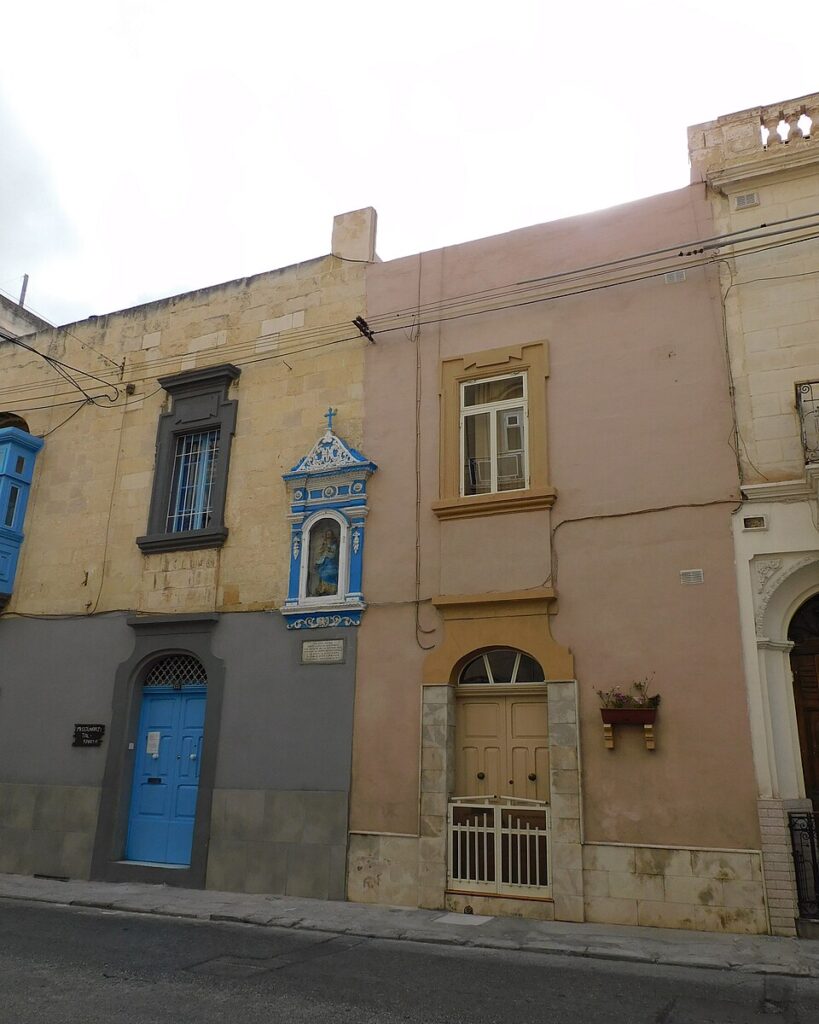
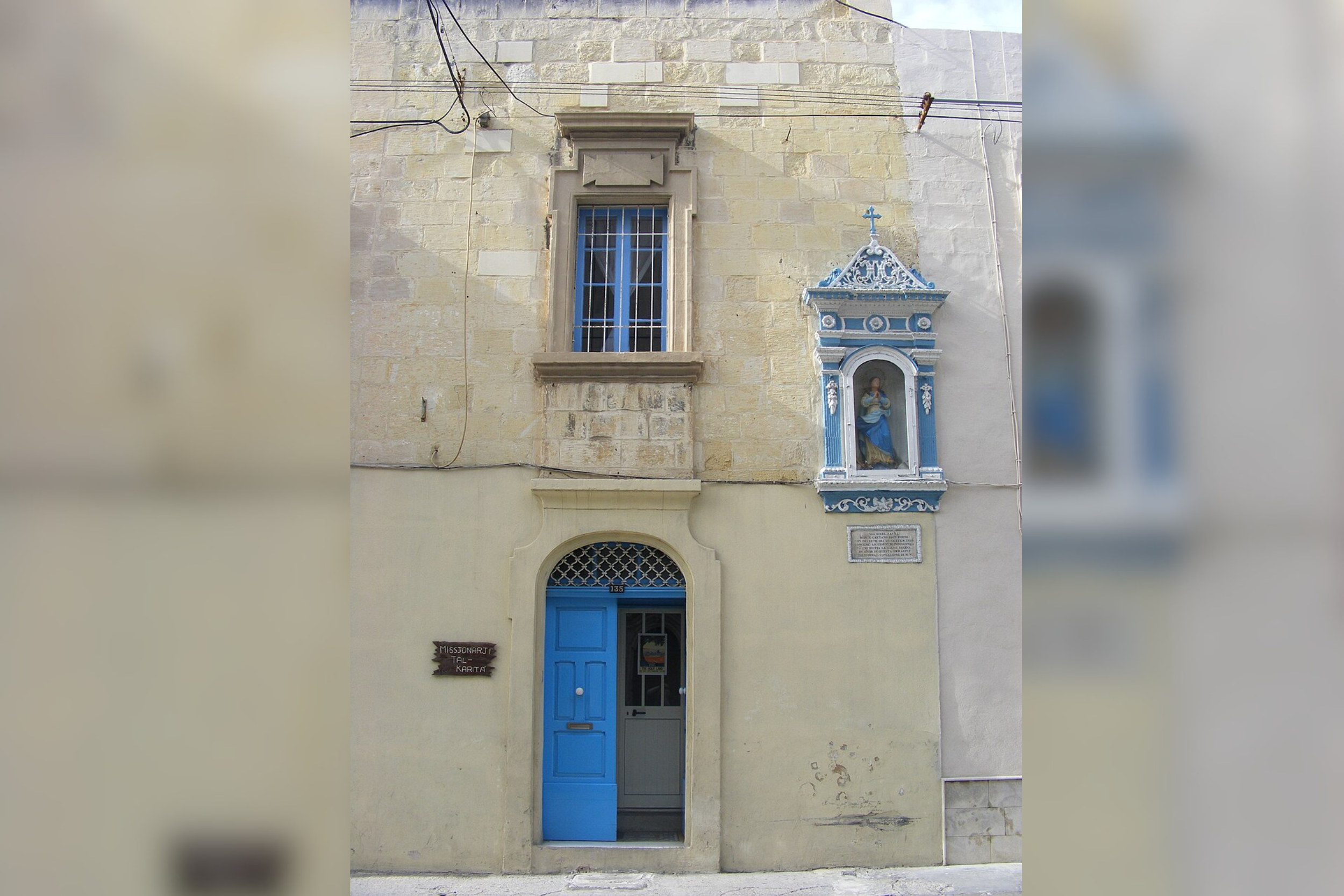
The Missionaries of Charity Chapel represents the most social and humanitarian face of faith in the Three Cities. Located within a residential area of Bormla, the chapel serves as the spiritual center for the sisters who dedicate their lives to the care of the sick, the elderly, and vulnerable families in the Grand Harbour area. Over the last few decades, this site has been a beacon of hope and direct assistance, keeping the mission of charity alive in an urban environment historically marked by social challenges. Its limestone architecture, with a humble facade and a simple cross, is an example of how contemporary spirituality integrates into the city's ancient fabric without seeking visual dominance.
The interior of the chapel is noted for its atmosphere of absolute peace and its devotional minimalism. The centerpiece is a simple crucifix accompanied by the phrase "I Thirst", a characteristic of every chapel of the order worldwide, recalling the words of Jesus on the cross and the sisters' mission to quench that thirst through service to the poor. The temple does not feature the grand altarpieces or marbles of other Cospicua churches; instead, it uses natural light and silence as its primary decorative elements. It is a space for intimate prayer where the local community and the religious sisters meet in an environment of equality and contemplation.
Beyond its architectural value, the chapel is a testament to the continuity of hospitaller work in Malta from a modern perspective. Having been established to respond to post-war needs and the social changes of the 20th century, the Missionaries of Charity house in Bormla has become a respected and beloved institution by the residents of the Three Cities. Today, visiting this chapel allows for an understanding of a different facet of Cospicua’s religious identity: a faith turned toward direct action and compassion. Consecrated as a sanctuary of humility and service, it is an essential piece for understanding the human and spiritual map of the city today.