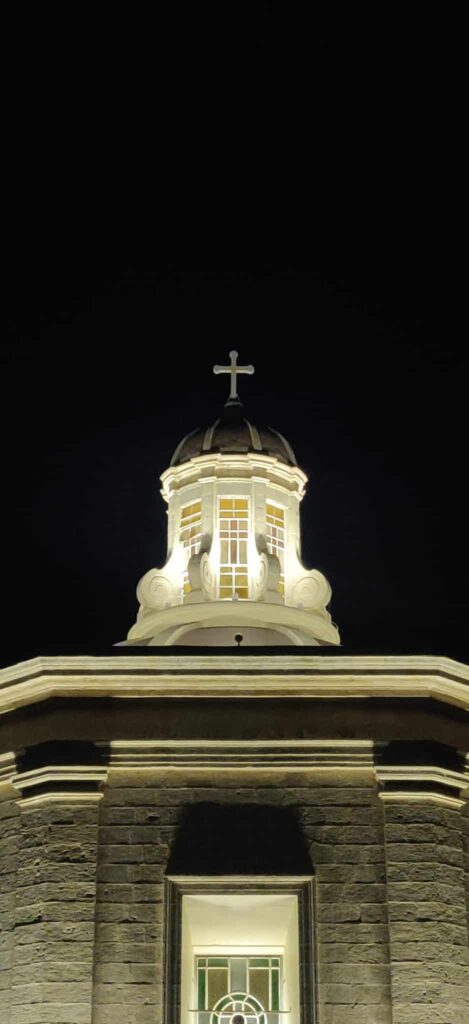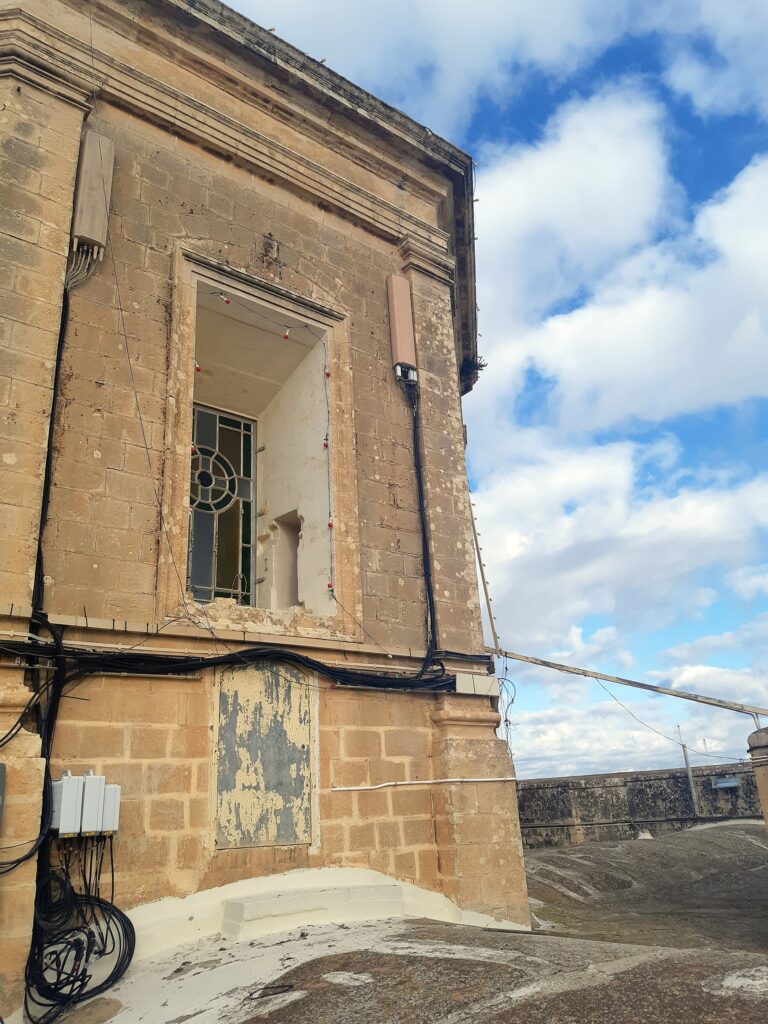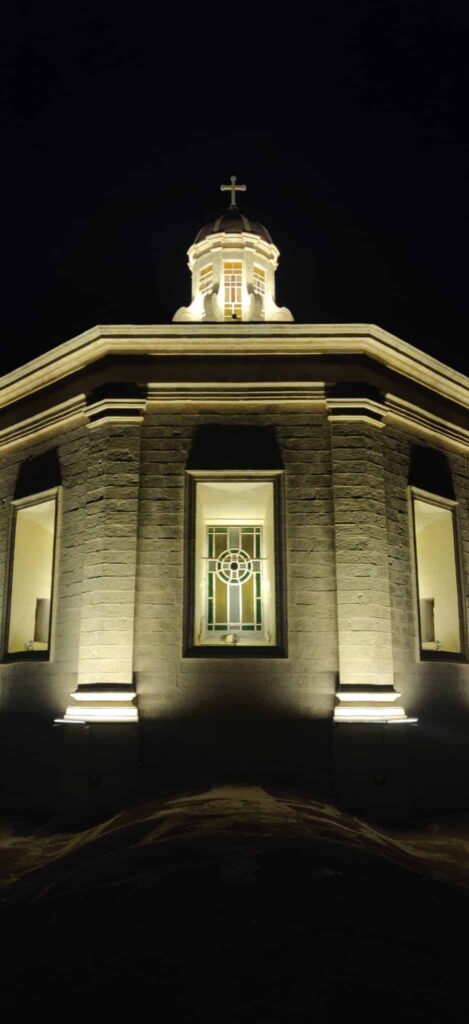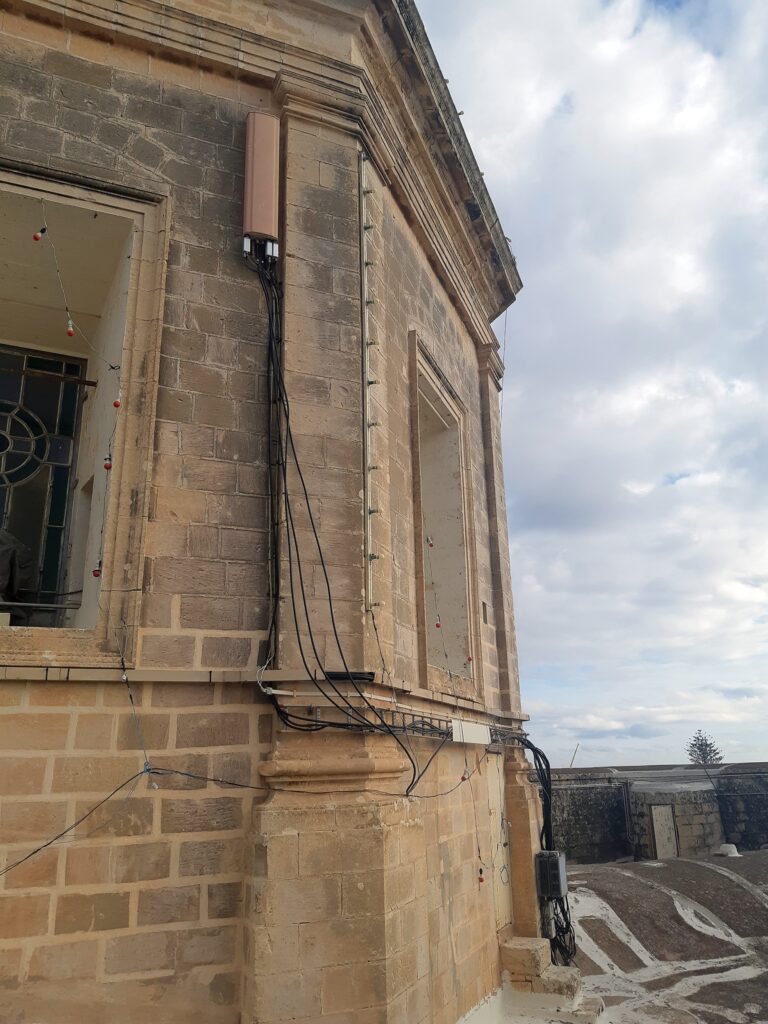
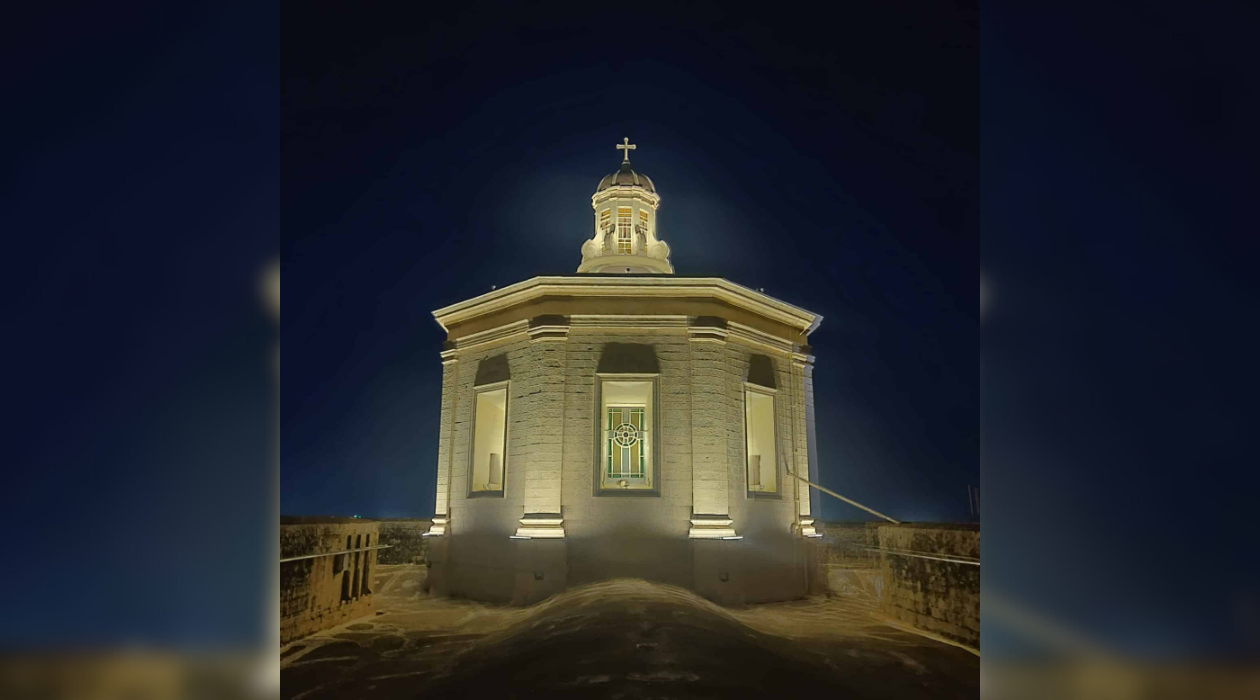
The parish church of Haz-Zebbug was built between 1599 and 1637, and is traditionally attributed to the Maltese architect Vittorio Cassar (around 1550-1609), but was completed by Tommaso Dingli. It was expanded with a choir and an extension of the nave in 1660, when two altars and two bell towers were added, according to designs by the Maltese architect Lorenzo Gafa (1639-1703). Between 1913 and 1918, side aisles were added.
Early Baroque Gem and Centuries-Old Tradition
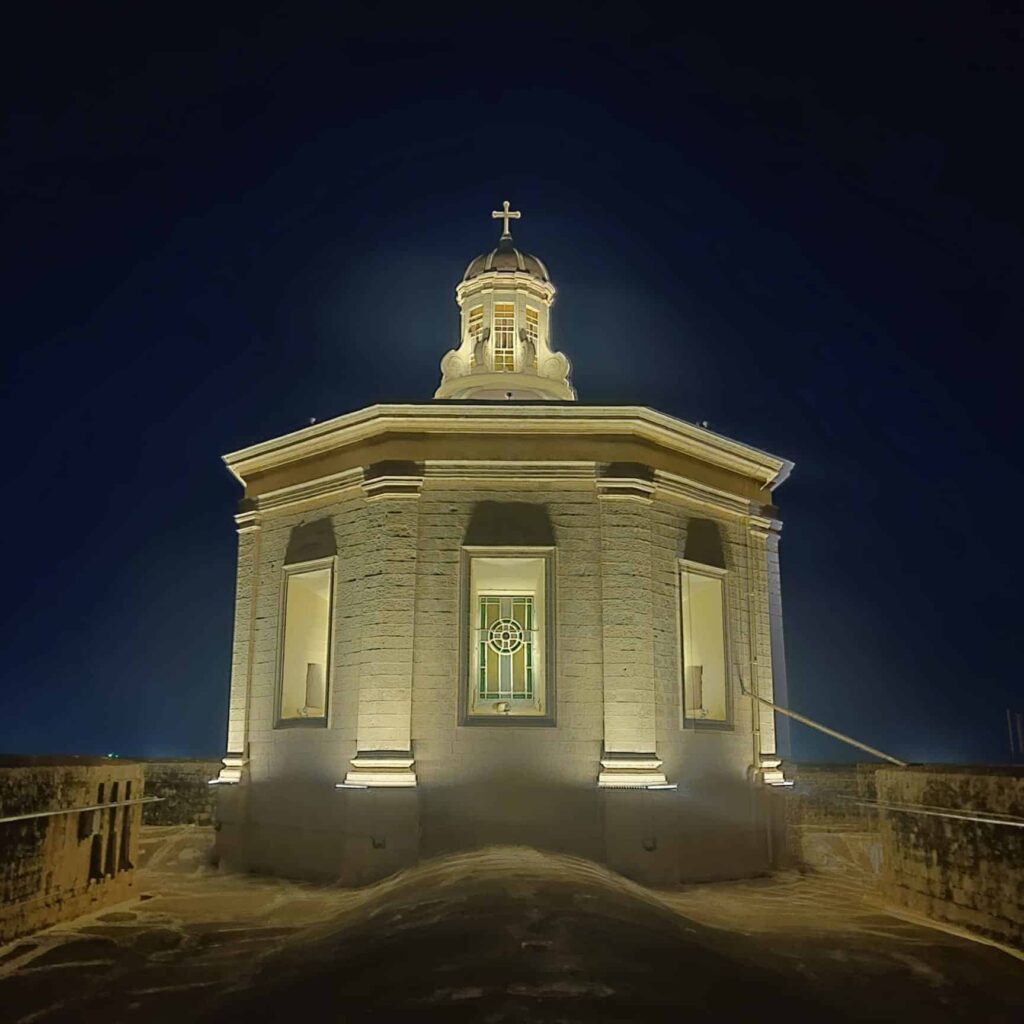
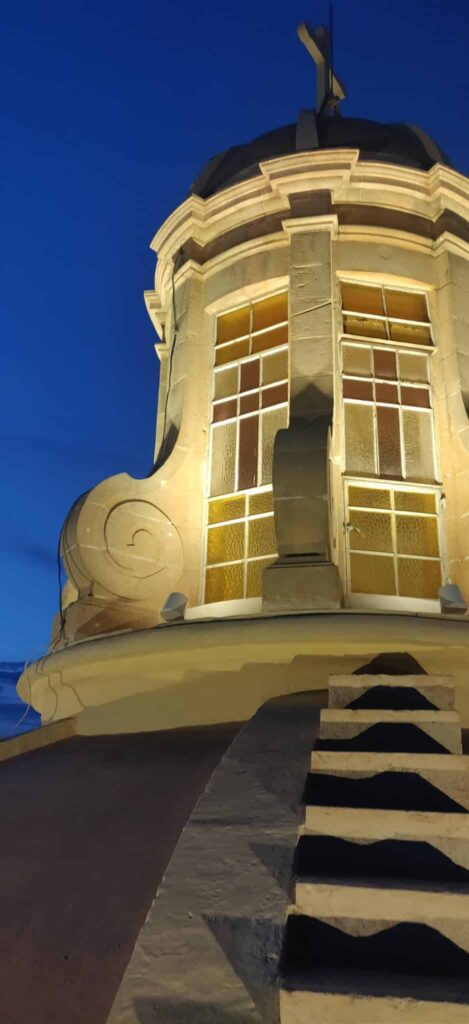
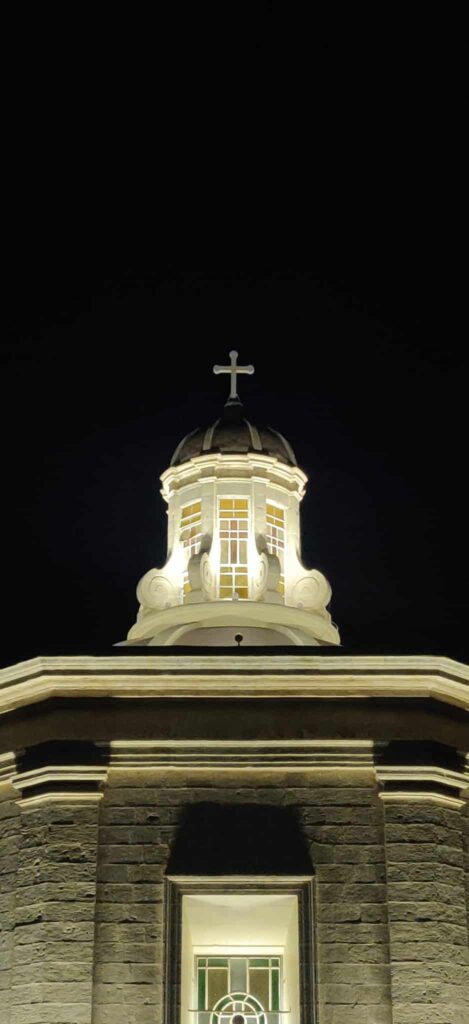
The Church of St. Philip of Agira stands out for its cruciform plan and a facade symmetrically divided into three sections, crowned by two of the oldest bell towers on the island, dating back to 1655. Its architectural design is completed with an octagonal dome over the transept, adorned with volute buttresses, and a main portal featuring a refined balcony with a balustrade. In its towers, time is kept by a clock made in 1882 by the Maltese master Michelangelo Sapiano, alongside a set of seven bells, the oldest of which dates back to 1658.
The interior of the temple is a testament to Baroque artistic splendor, especially in the choir, where some of Malta's most intriguing stone sculptures can be found. The choir altar, designed by Pietro Paolo Troisi and completed in 1724, presides over a space decorated with an intricately detailed apse. The centerpiece of the church is the titular painting of St. Philip of Agira, created between 1661 and 1663 by the French knight Fra Luca Garnier. This work is considered the artist's masterpiece for its dynamism and masterful use of chiaroscuro, depicting the missionary saint performing a miracle before Mount Etna prior to his ascent to the heavens.
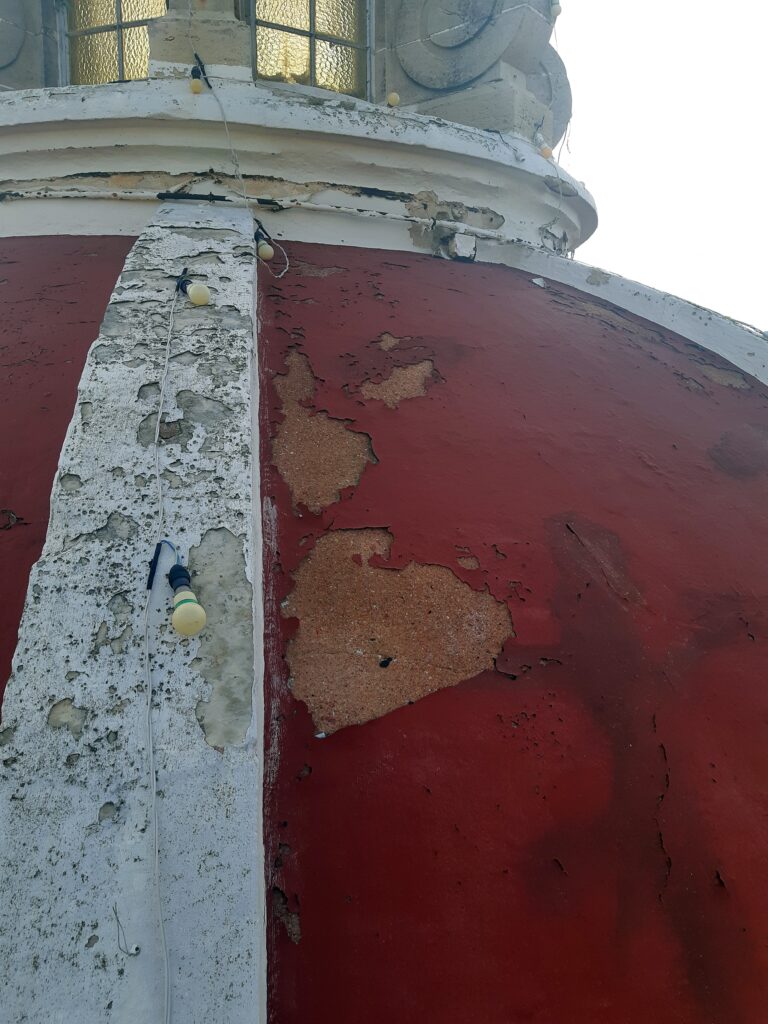
To ensure the survival of this historical monument, a conservation project co-financed by the European Union was carried out. The works focused on mitigating the structural and aesthetic damages caused by pollution and the elements, ensuring that both the integrity of the building and its artistic treasures remain protected for the enjoyment of the community and visitors.