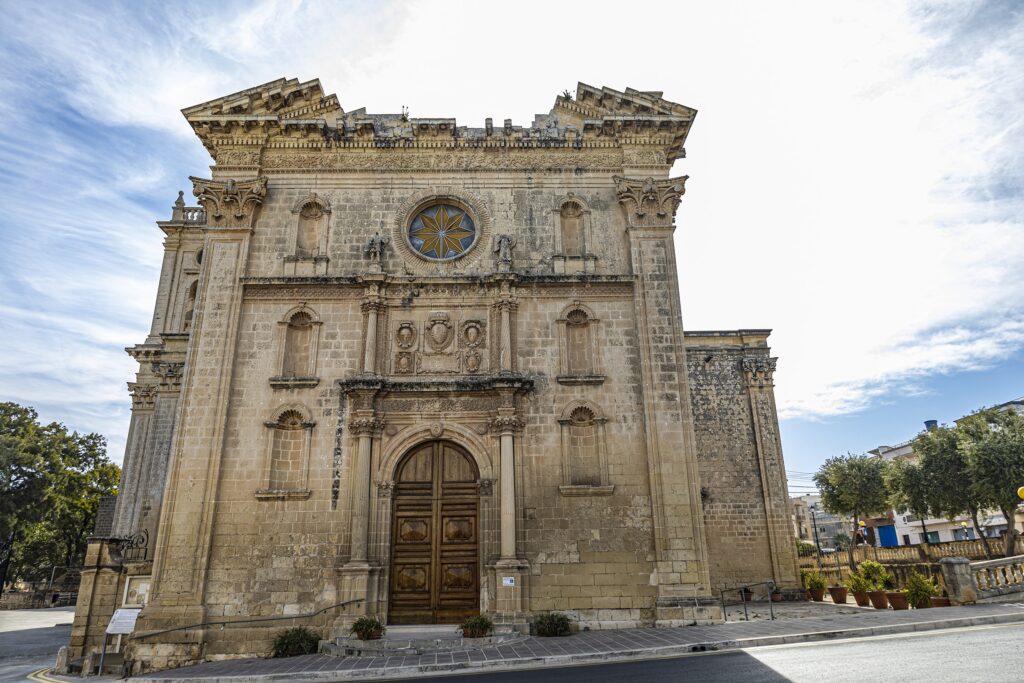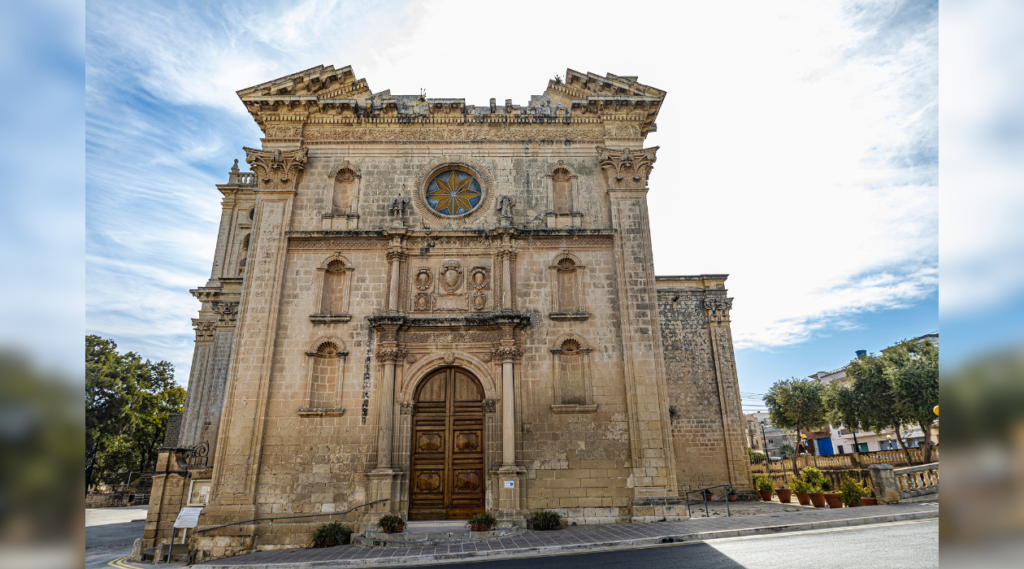
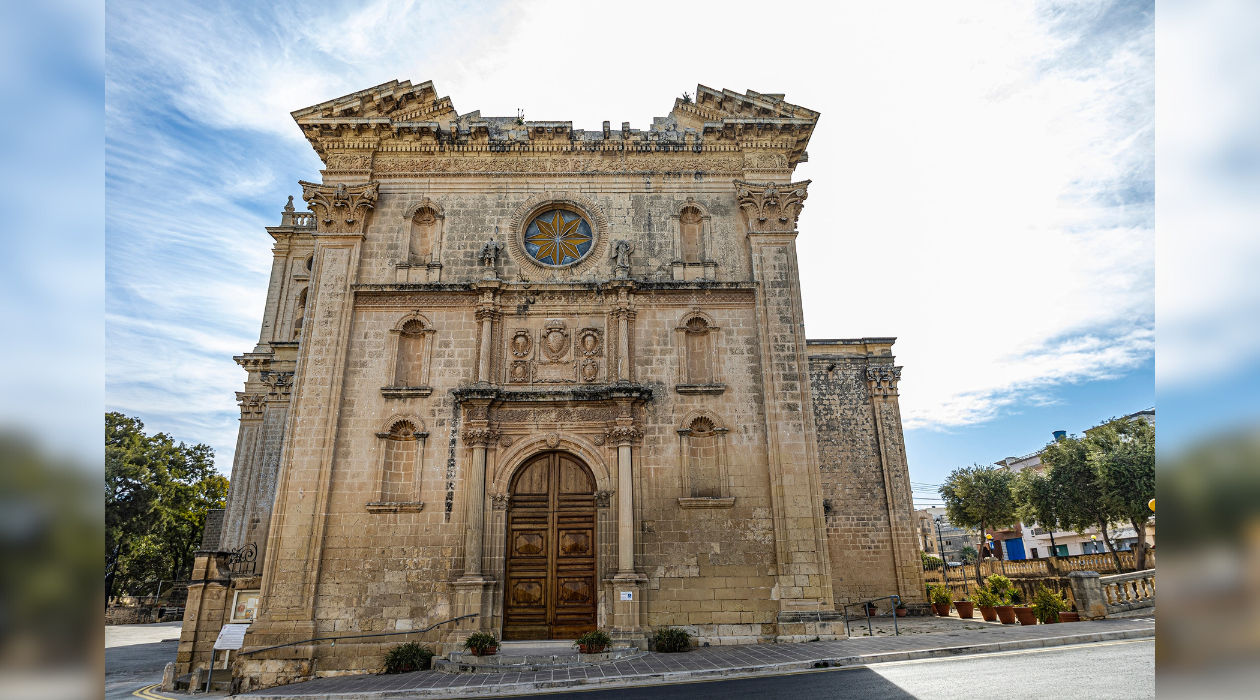
The parish church of Santa Marija in Birkirkara was built between 1610 and 1656. Above the main door, the date 1617 is inscribed. This church replaced an earlier one constructed during the medieval period, around 1436. The old church, along with its cemetery and the two small chapels of Saint Agatha and Saint Sebastian located within the cemetery, were demolished to make way for the new church.
A Masterpiece of Maltese Renaissance
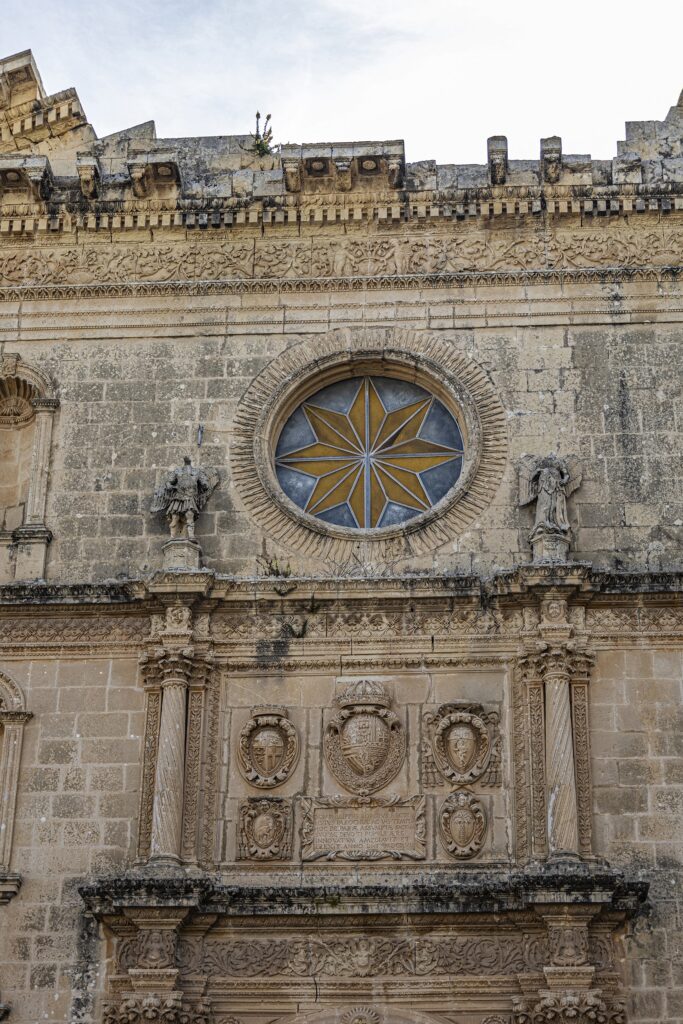
Considered one of the pinnacles of 17th-century Maltese architecture, the Church of Santa Marija is an exceptional example of late Renaissance style. Its design is attributed to the masters Vittorio Cassar and Tommaso Dingli, with the latter serving as the principal architect according to parish chronicles. The façade stands out for its symmetry and refinement, framed by giant Corinthian pilasters. Its most impressive decorative feature is a double row of five stone-carved coats of arms representing key historical figures, such as King Philip III of Spain and Grand Master Alof de Wignacourt, accompanied by a 1617 plaque commemorating the parishioners’ effort in erecting the temple.
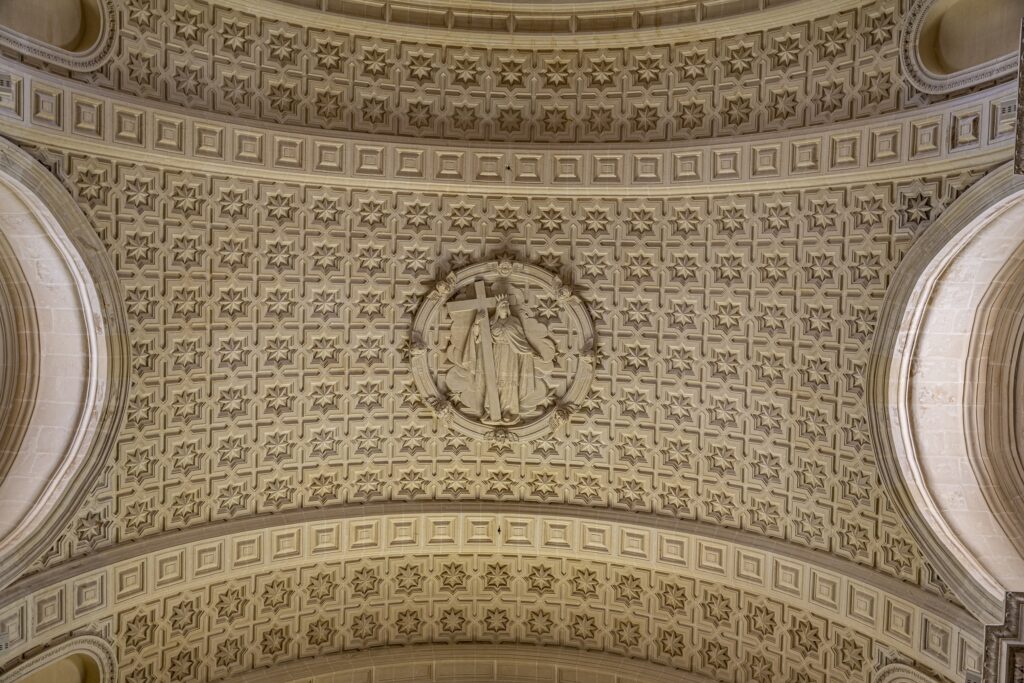
The interior follows a Latin cross plan without side aisles, reflecting the geometric harmony characteristic of the Renaissance. It is one of the richest spaces in Malta due to its exquisite ornamentation, featuring paired superimposed columns with a “jewel-like” effect and altars adorned with 18th-century Baroque frontispieces. Although the original 1656 dome today preserves only its tall octagonal drum, the architectural ensemble is complemented by an unusually designed bell tower erected in 1679. Interestingly, much of the parish’s original artistic heritage was gradually transferred to the Basilica of Santa Elena.
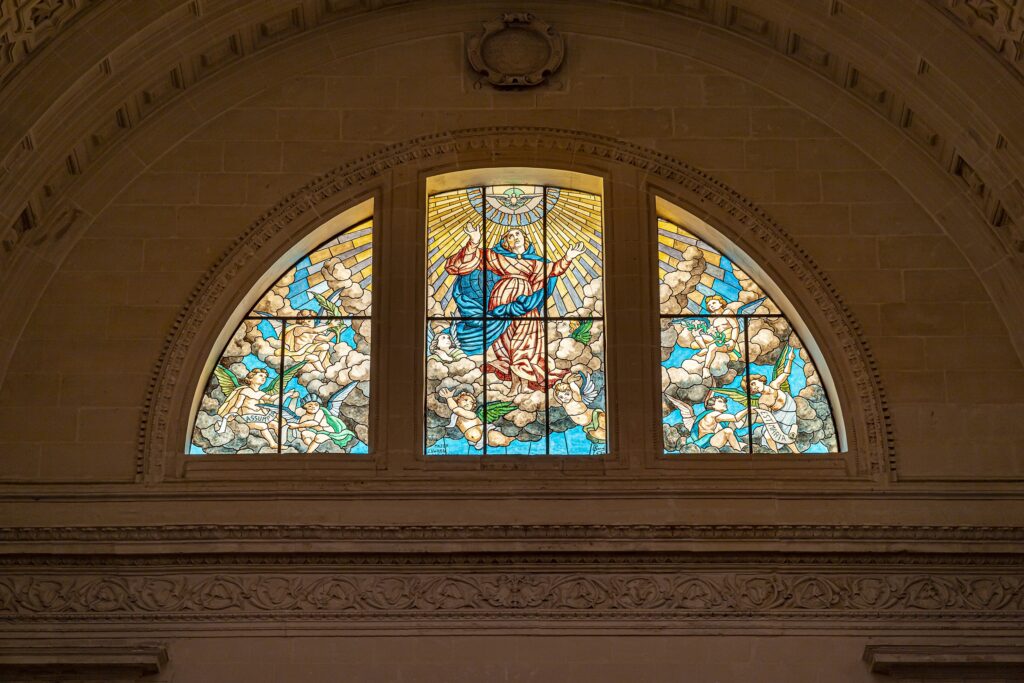
Instead of a traditional painting, the Coronation of the Virgin is majestically depicted in a stained glass window in the choir, divided into three sections and framed in stone. The work shows Mary elevated among clouds and angels under the light of the Holy Spirit, utilizing natural light to complete the sacred scene. Currently, thanks to European Union co-financing, advanced structural studies are being carried out to diagnose deficiencies in the foundation and design the necessary interventions to preserve this historic building located at the heart of the community.