Basilica of Our Lady of Mount Carmel
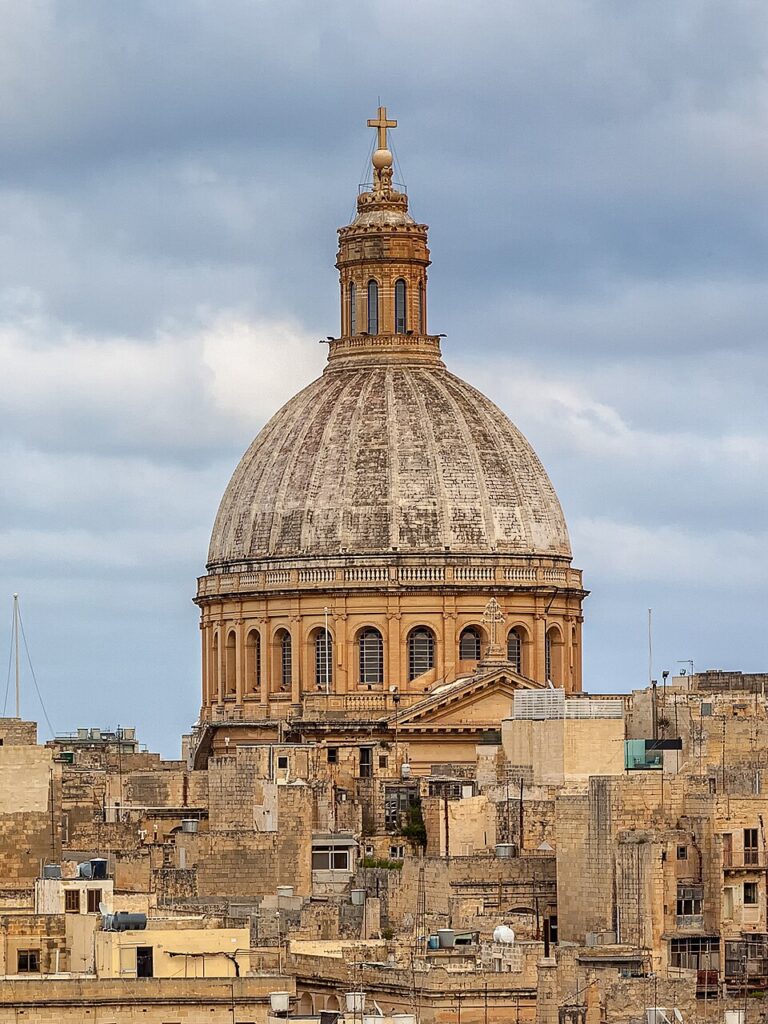
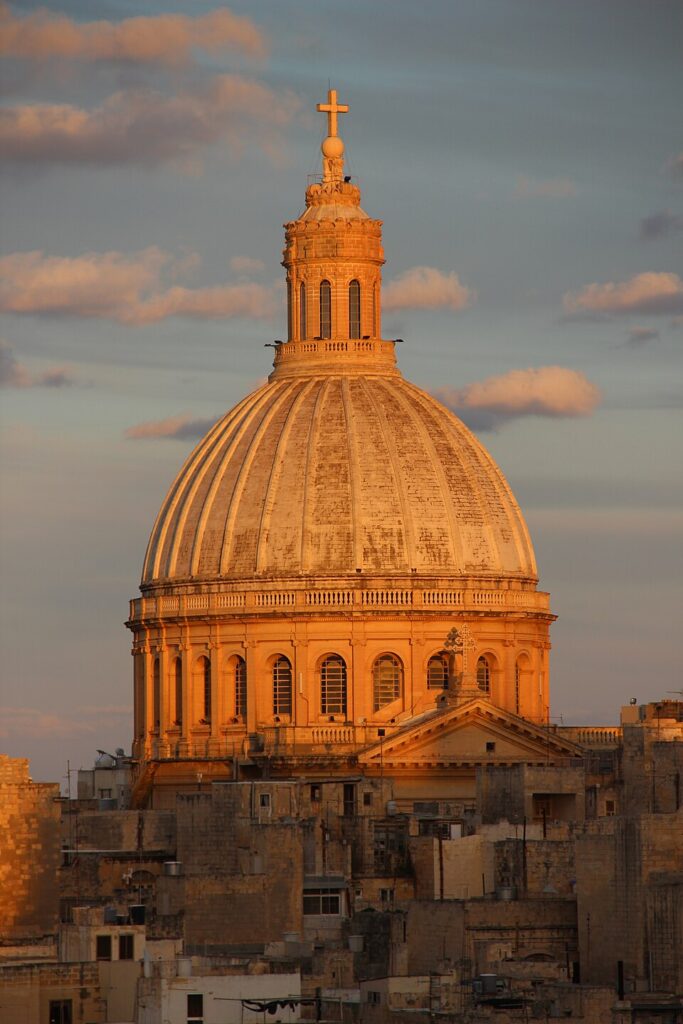
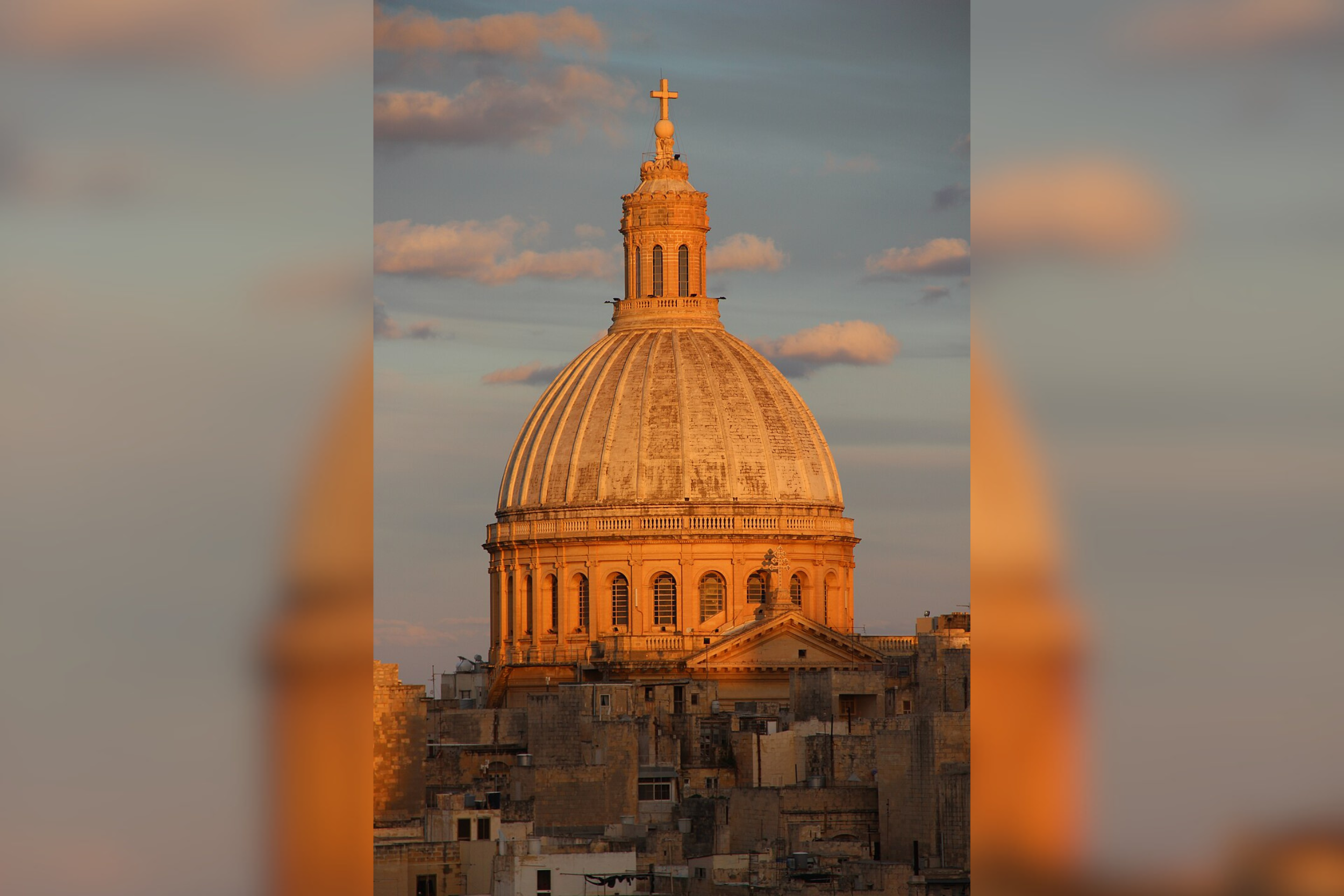
The design of the current Basilica of Our Lady of Mount Carmel is attributed to the Maltese architect Joseph Mary SpiteriBuilt between 1958 and 1981, this structure replaced the original 16th-century church, which was severely damaged during the bombings of World War II. It is one of Malta's most emblematic temples, famous for its spectacular 42-meter-high oval dome that defines the Valletta skyline. Although its origins are Carmelite and Baroque, the modern reconstruction features an impressive limestone structure that blends Neoclassical grandeur with 20th-century engineering techniques.
An Icon on the Valletta Horizon: Basilica of Mount Carmel
The Basilica of Our Lady of Mount Carmel is undoubtedly the most recognized silhouette of the Maltese capital. Following the destruction of the original temple in 1941, the Carmelite community undertook the ambitious task of erecting a monument that would surpass the previous one in scale. The result is a masterpiece of modern religious architecture on the island, noted for its imposing façade of Ionic columns and an interior design focused on verticality and light. The dome, an architectural feat, competes in height with the spire of St. Paul's Anglican Pro-Cathedral, creating the most famous visual contrast of Marsamxett Harbour.
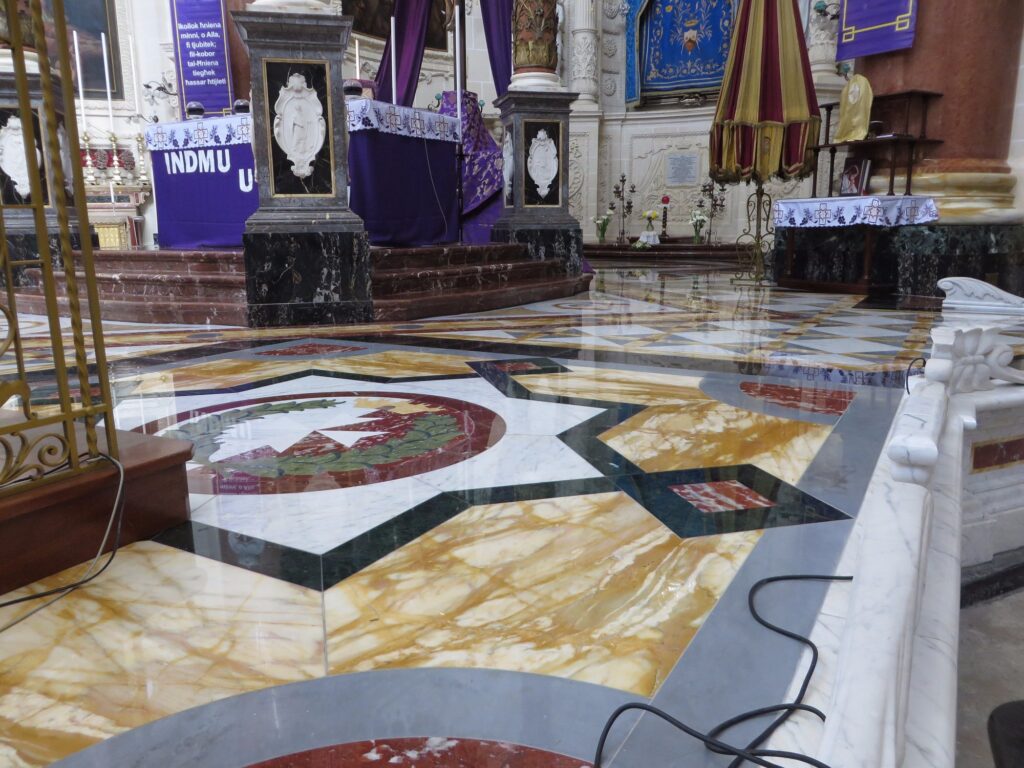
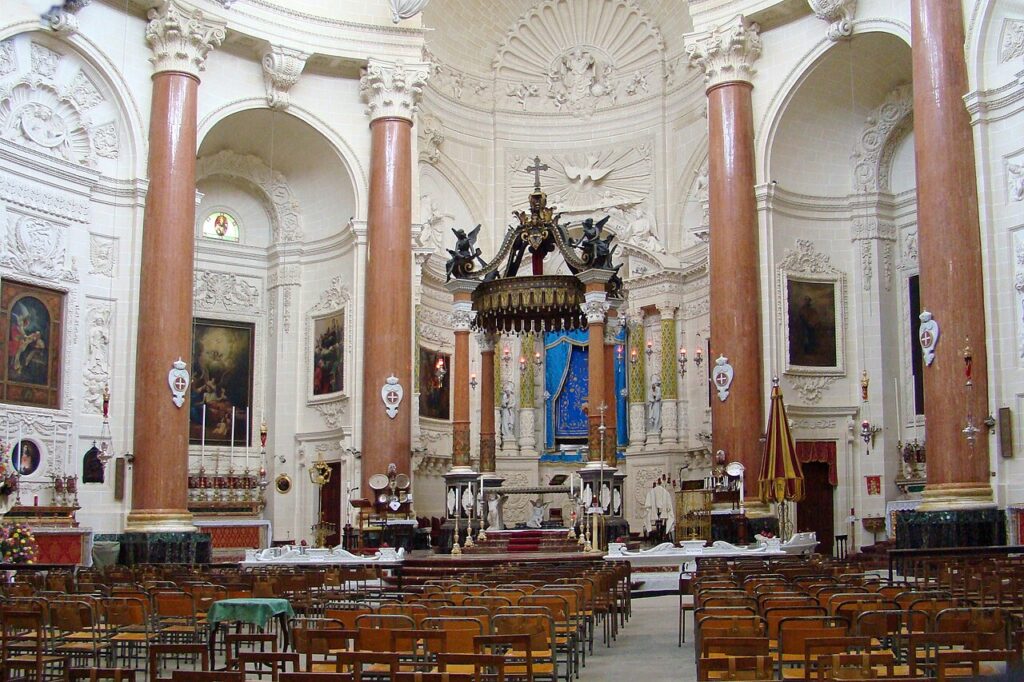
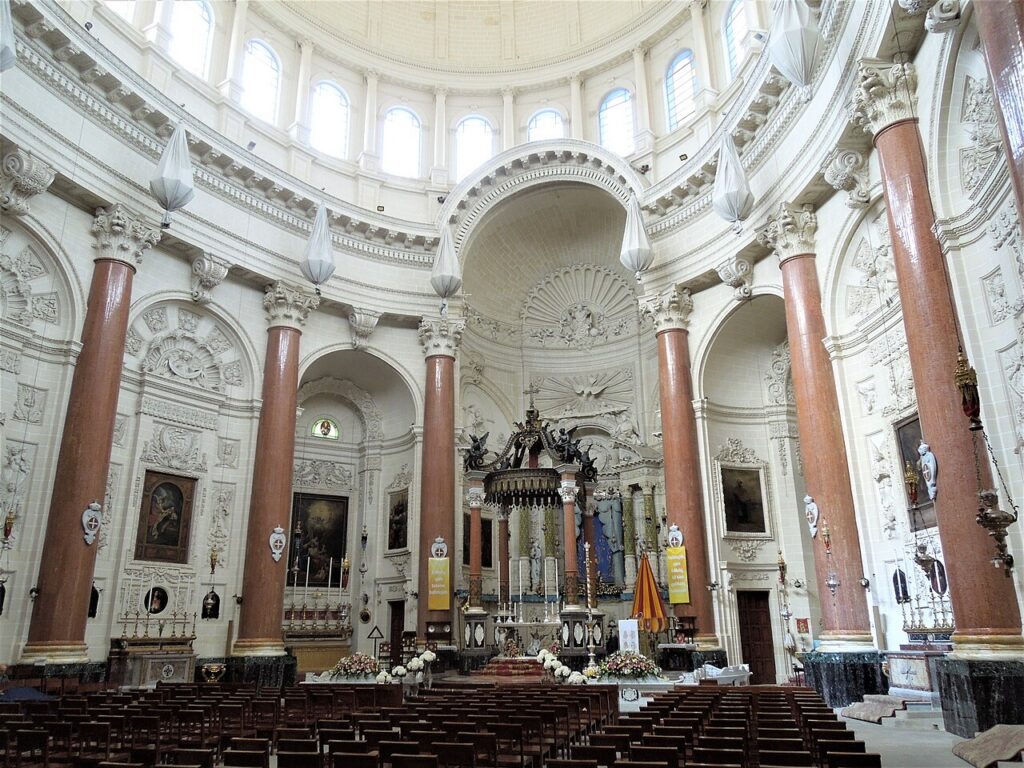
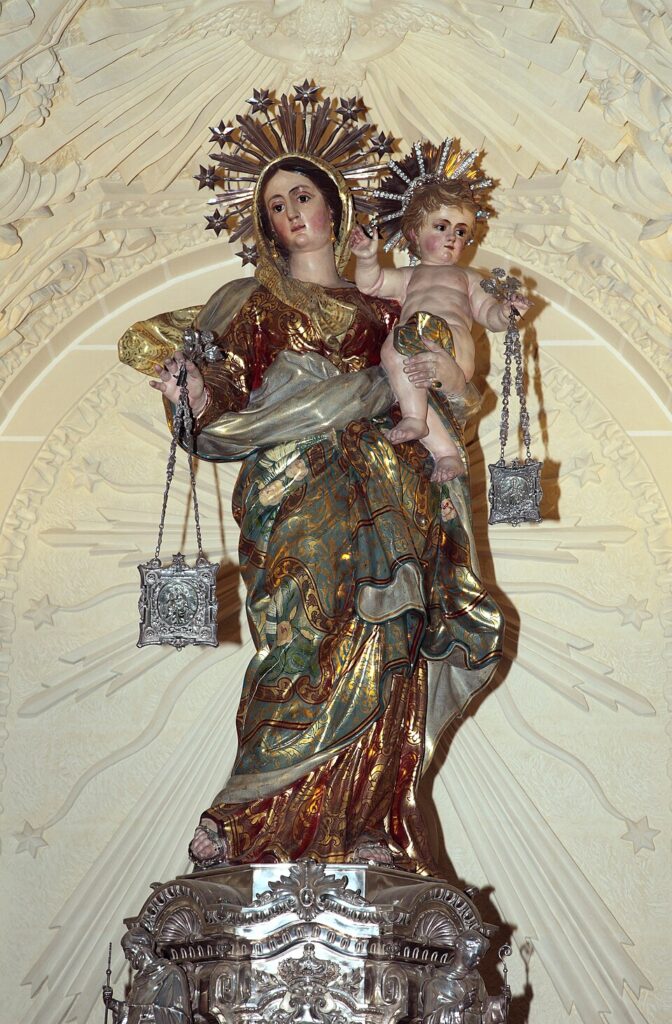
The interior of the basilica is a space of cathedral-like dimensions, designed to awe visitors with its vastness and the warmth of its golden stone. The central element is the high altar, framed by a marble structure that houses a 17th-century image of Our Lady of Mount Carmel, which miraculously survived the bombings. The side aisles and chapels are decorated in a style that respects the order's Baroque tradition but with a cleanliness of line that provides a contemporary serenity, ideal for contemplation in the midst of the vibrant city.
Beyond its aesthetic value, the basilica is a symbol of the Maltese people's resilience after the war. It was elevated to the rank of Minor Basilica in 1895, a status it proudly maintains while guarding artistic treasures and relics of great historical value. Its strategic location and monumental presence make it a must-visit site, not only for its religious importance but for being the visual heart of a city declared a UNESCO World Heritage site. Consecrated in its current form in 1981, this monument serves as the perfect link between the ancient history of the Knights and modern-day Malta.