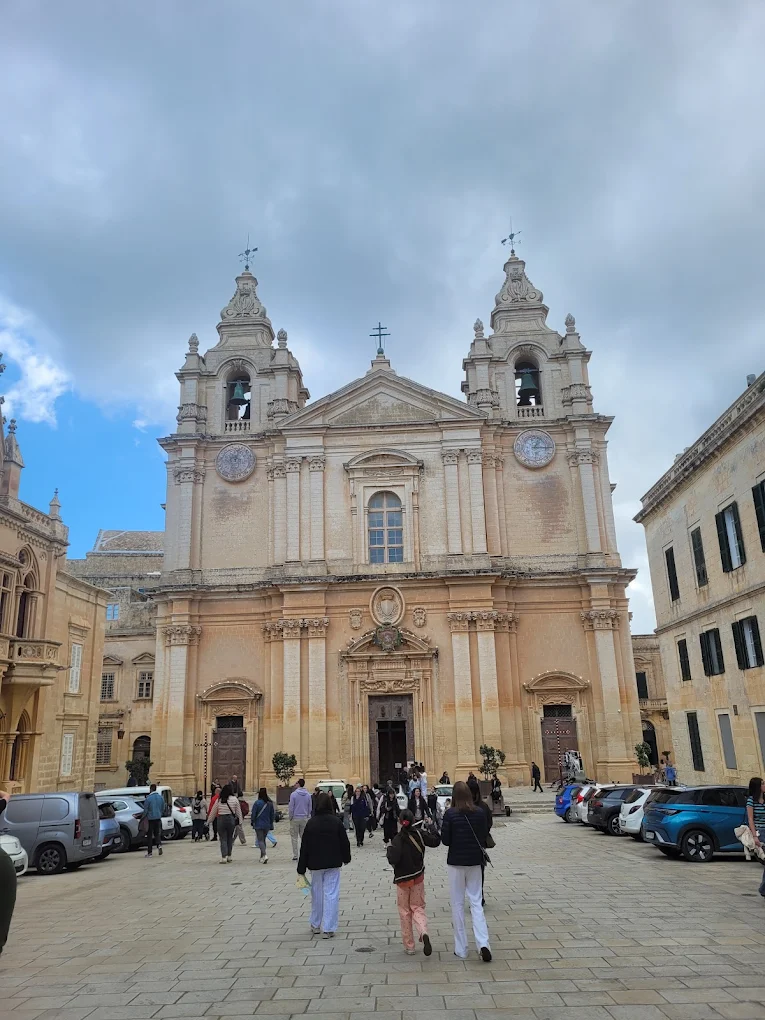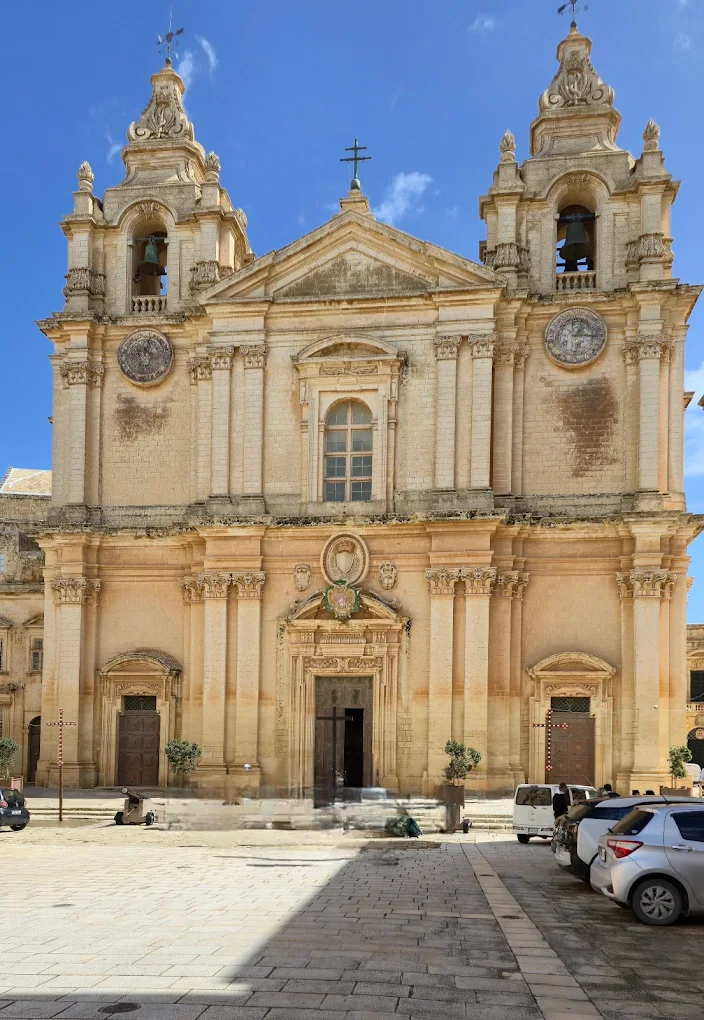
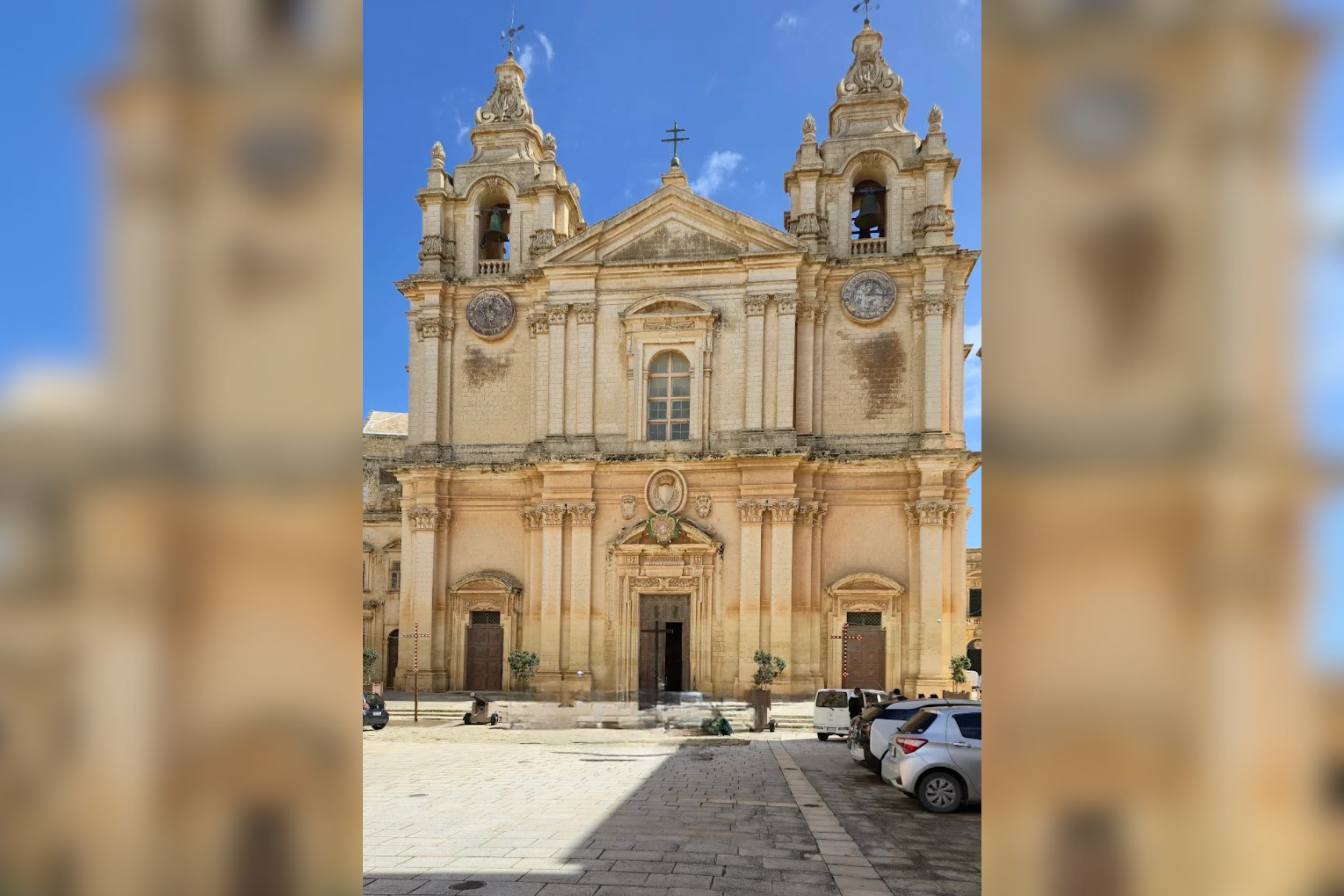
The design of St. Paul's Cathedral s the masterpiece of the Maltese Baroque style, constructed between 1697 and 1702. Situated in the heart of the fortified city of Mdinathis cathedral was designed by the celebrated architect Lorenzo Gafà to replace the ancient Norman structure that was destroyed by a devastating earthquake in 1693. Unlike other churches on the island, its imposing dome and facade flanked by two bell towers define the skyline of the "Silent City," designed to be the center of ecclesiastical authority in Malta.
A testament to Resilience and Baroque Splendor
St. Paul’s Cathedral represents the artistic rebirth of Malta following the natural disaster of the 17th century. According to tradition, the cathedral was erected on the site where the villa of Publius, the Roman governor who welcomed the Apostle Paul after his shipwreck in 60 AD, once stood. Its limestone architecture, featuring a monumental facade decorated with Corinthian pilasters, is an example of the technical perfection achieved by local master builders. The cathedral complex integrates harmoniously into Pjazza San Pawl, creating one of the most elegant public spaces in Europe.
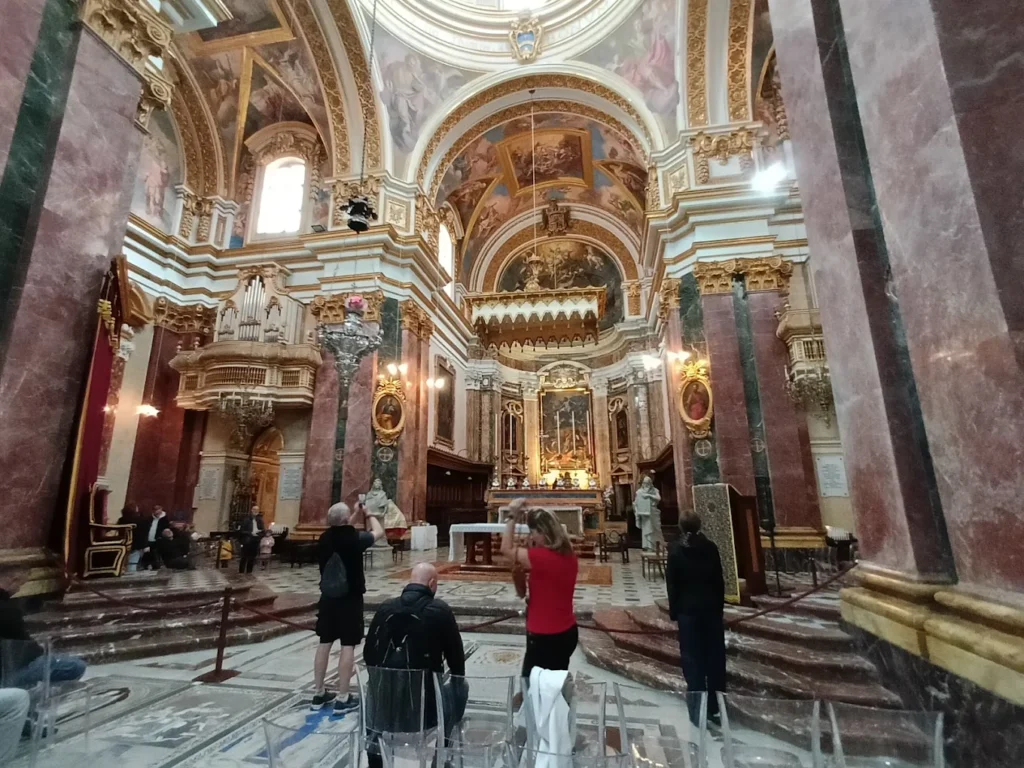
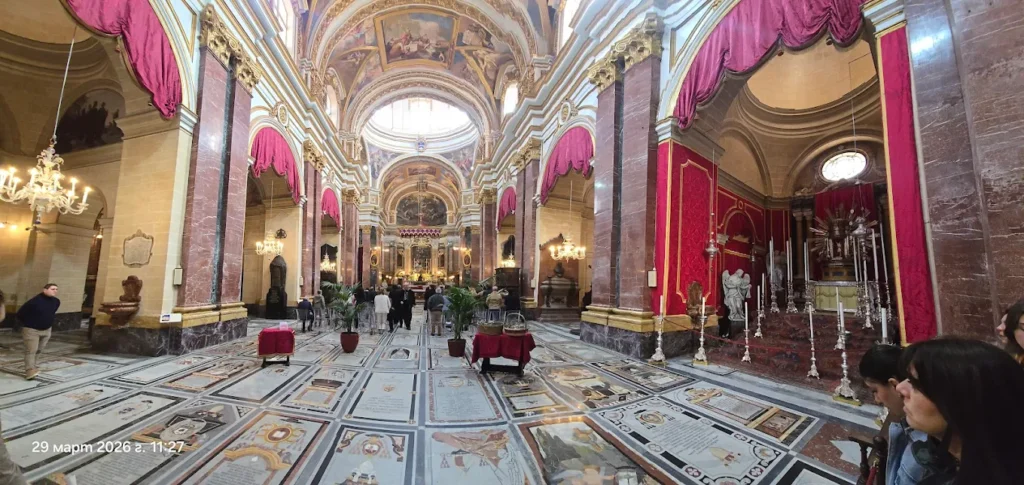
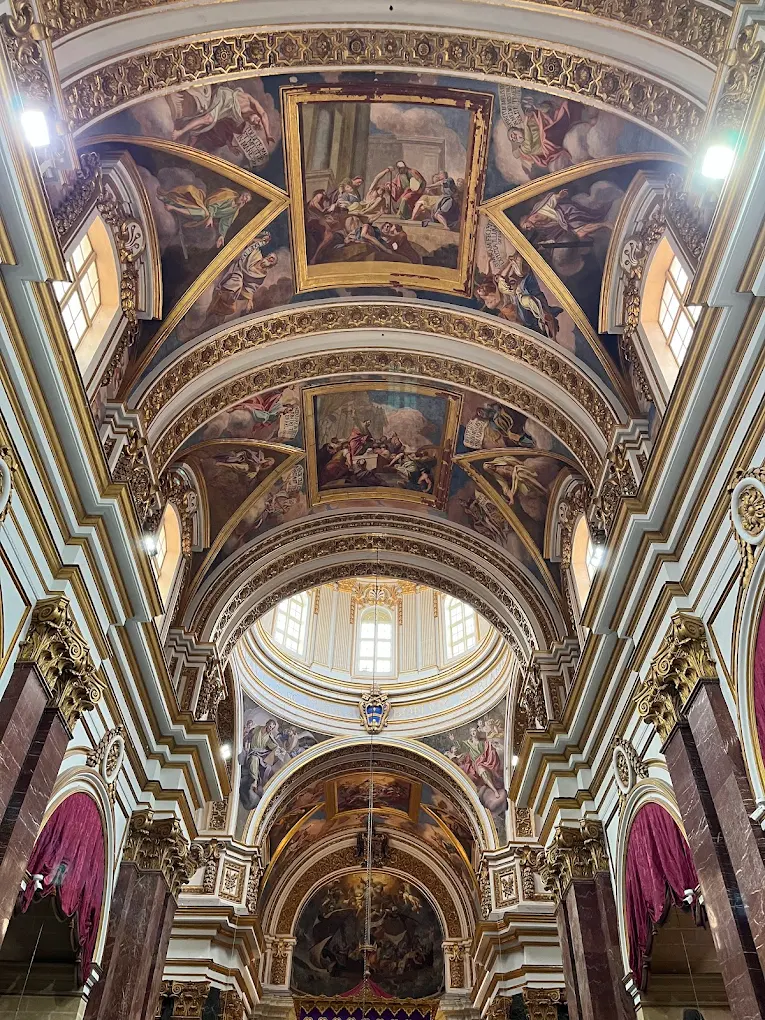
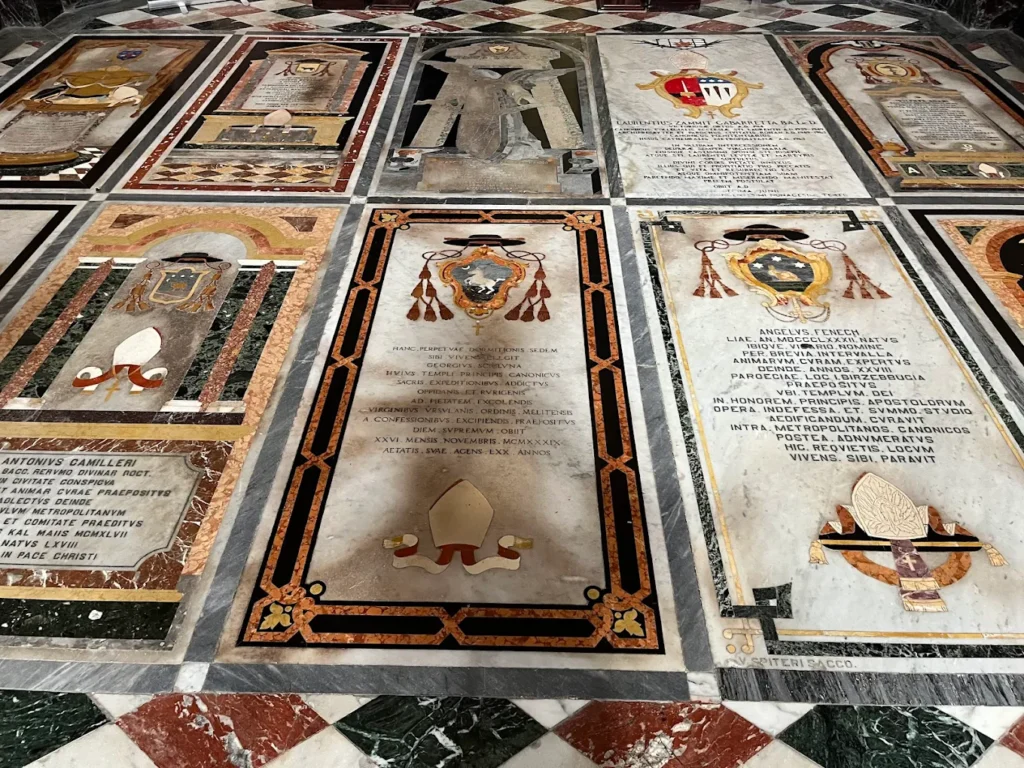
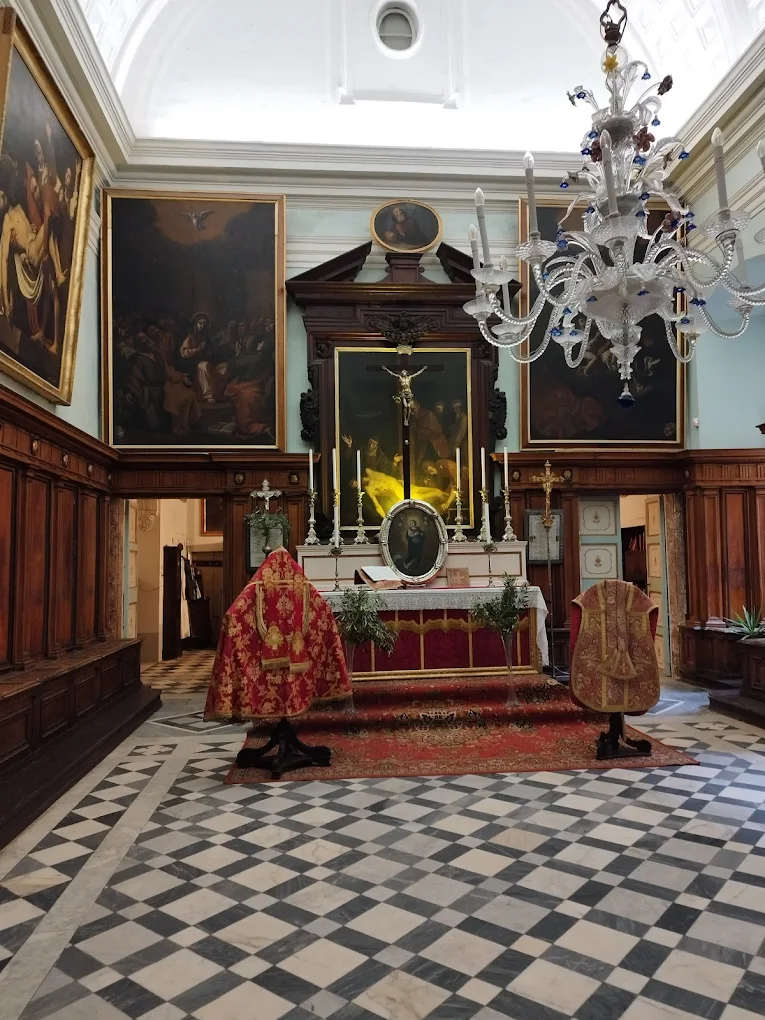
The interior of the cathedral is noted for its opulence and immense historical value. The central element is the marble floor, composed of polychrome tombstones commemorating bishops and members of the Mdina nobility, creating a mosaic of colors unique in the world. The temple houses treasures rescued from the original cathedral, such as the choir stalls and the altarpiece of the Conversion of St. Paul, a work by Mattia Preti. The light descending from its dome, decorated with frescoes depicting the life of the apostle, highlights the gilding and woodwork, offering a visual experience that connects the Roman legacy with the splendor of the Knights of St. John.
Beyond its artistic value, the cathedral is the symbol of the historical continuity of faith in Malta. Having survived sieges and reconstructions, the temple remains the seat of the Archdiocese of Malta alongside St. John’s Co-Cathedral in Valletta. Today, visiting this cathedral allows one to immerse themselves in the silence of the ancient Maltese aristocracy and appreciate the refinement of its heritage. Consecrated as a sanctuary of national history, it is a mandatory stop to complete the 300 points of religious and cultural interest on the island.