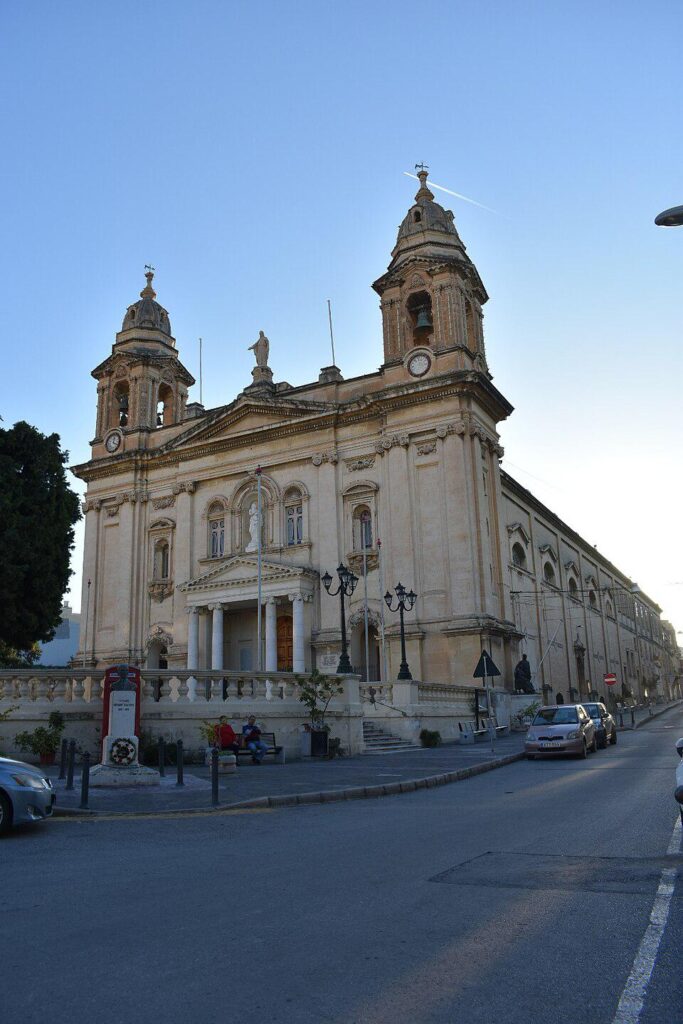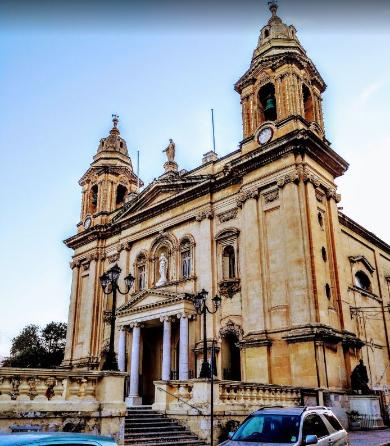
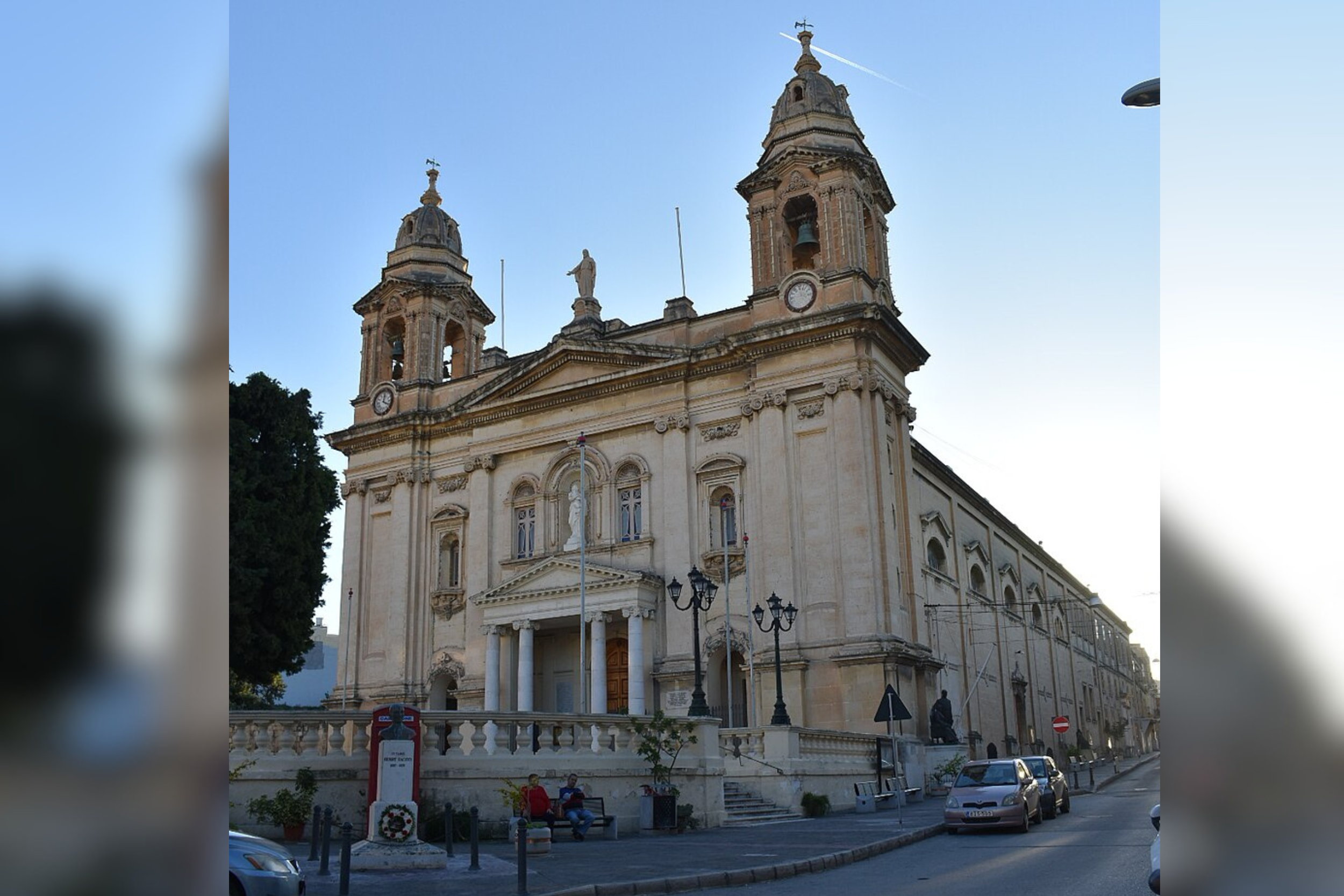
The design of Church of the Holy Trinity is a masterpiece of Neo-Gothic style, constructed between 1909 and 1913. Located in the town of Marsa, this church was entirely funded by the philanthropists Lorenzo Balbi and his wife Carmela, who wished to provide the growing port community with a large-scale spiritual center. Unlike the traditional Baroque domes common in Malta, this temple stands out for its vertical lines, pointed towers, and architecture inspired by Northern European cathedrals, designed to be a visual landmark at the entrance to the Grand Harbour.
A Legacy of Faith and Philanthropy in the Port
The Holy Trinity Church represents the industrial and social development of Malta at the beginning of the 20th century. Situated in an area dominated by shipyards and maritime trade, the church was entrusted to the Capuchin Friars, who took charge of the spiritual care of the port workers. Its facade, built with characteristic Maltese limestone but shaped with Gothic details such as rose windows and pointed arches, is a unique example of how international styles were adapted to the island. The architectural complex includes the adjacent friary, forming an oasis of peace amidst the logistical activity of Marsa.
The interior of the church is noted for its majesty and the elegance of its proportions. The central element is the high altar, framed by tall windows that allow for dramatic natural lighting, typical of the Neo-Gothic style. The temple houses sacred works of art from the early 20th century and marble details that reflect the generosity of its founders, whose remains rest within the church itself. The acoustics and the height of its naves offer a sense of spiritual elevation that distinguishes it from any other parish in the region, making it an architectural treasure often overlooked by conventional tourism.
Beyond its artistic value, the church is the heart of the Marsa community and a symbol of identity for its residents. Having survived the air raids of World War II due to its proximity to the strategic docks, the temple remains a guardian of local history. Today, visiting this church allows one to appreciate the diversity of styles coexisting in Malta and the impact of private philanthropy on the national heritage. Consecrated as a sanctuary of Gothic elegance, it is a fundamental piece to complete the map of 300 points of religious and historical interest on the island.