Our Lady of Victory Church
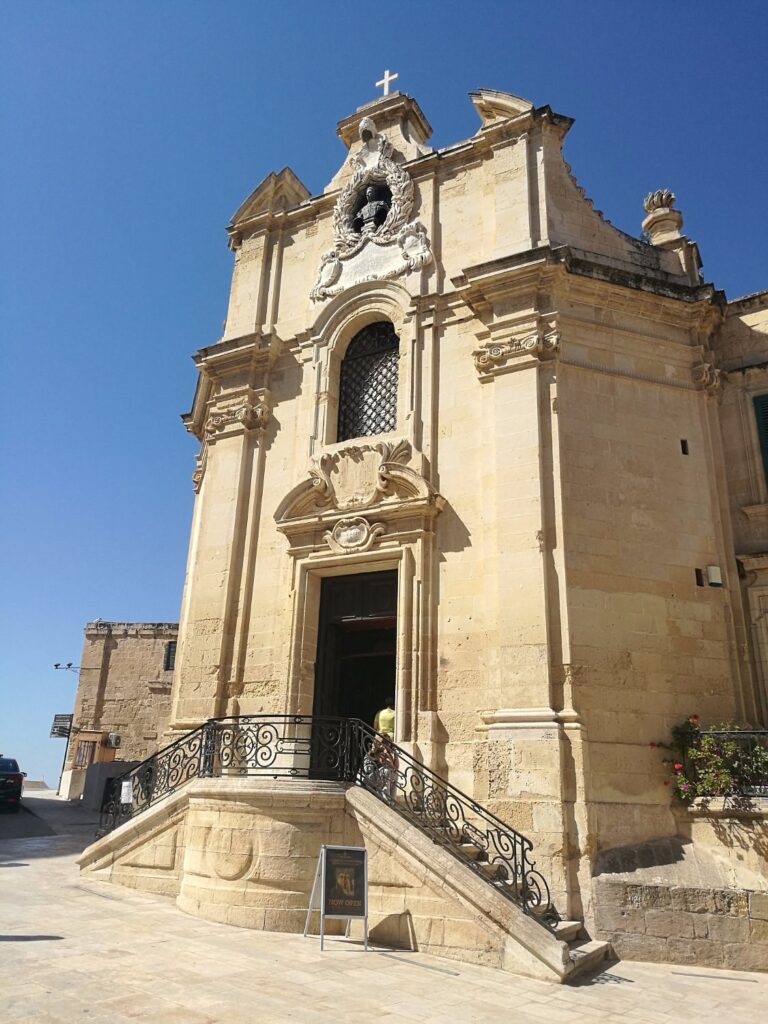
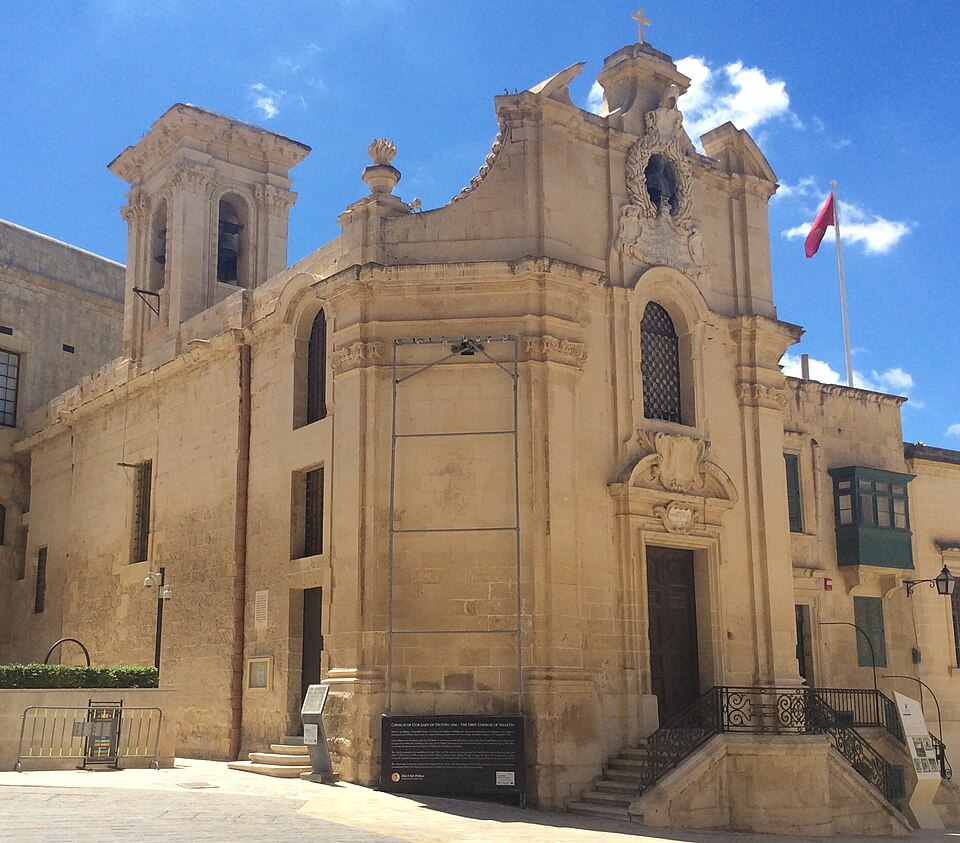
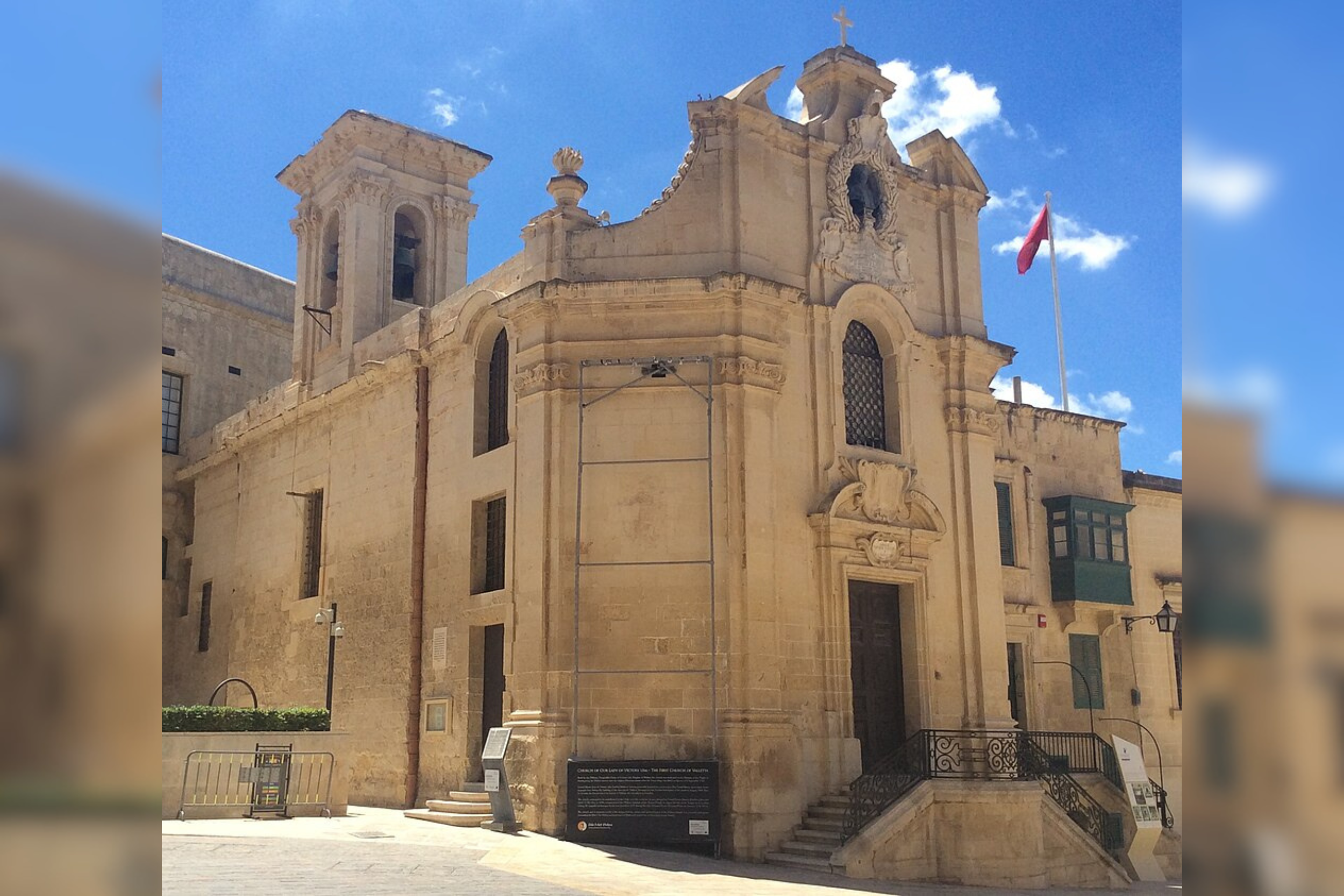
The design of Our Lady of Victory Church is attributed to the Order of Saint John’s primary architect, Girolamo CassarBuilt immediately following the Great Siege of 1565, it holds the distinction of being the first building ever erected in VallettaIts construction was commissioned by Grand Master Jean Parisot de Valette to commemorate the Knights' triumph over the Ottoman Empire. Although its façade was remodeled in the 18th century in a more elaborate Baroque style, the temple preserves the essence of its foundation as the spiritual heart from which Malta’s new capital was born.
The Birthplace of a Capital: Our Lady of Victory Church
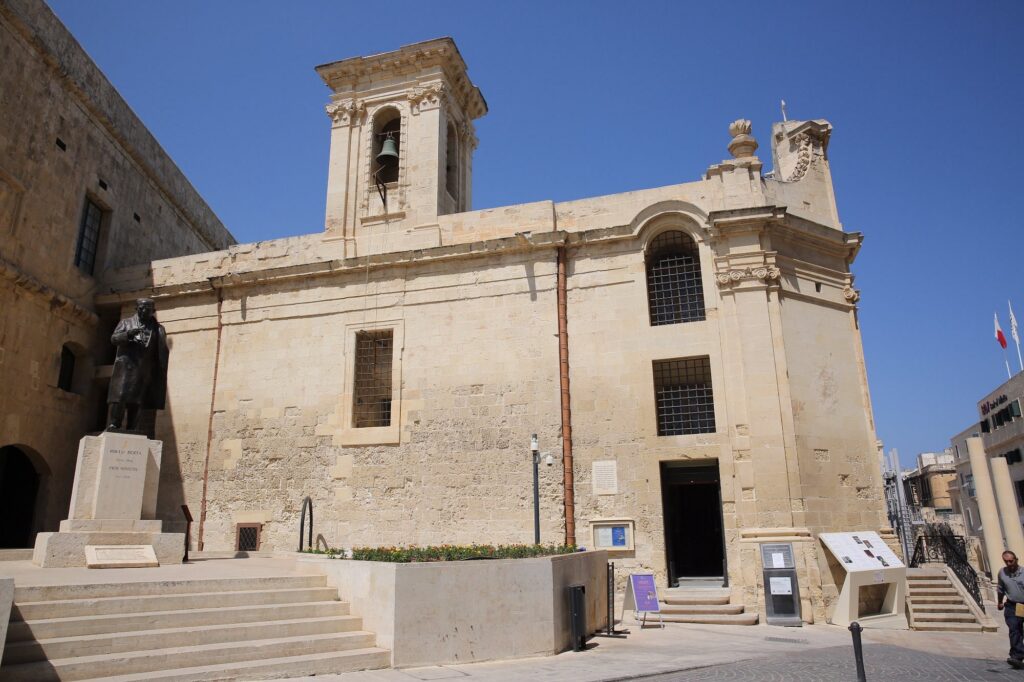
Our Lady of Victory Church is not merely a religious monument but the birth certificate of Valletta. Situated on the exact spot where the city’s foundation stone was laid in 1566, this temple symbolizes the Knights' gratitude for their survival and ultimate victory. Its location, directly across from the Auberge de Castille, makes it an unavoidable historical landmark. While intimate in scale compared to the neighboring grand basilicas, its symbolic value is immeasurable, having originally housed the remains of Grand Master de Valette before they were moved to St. John’s Co-Cathedral.
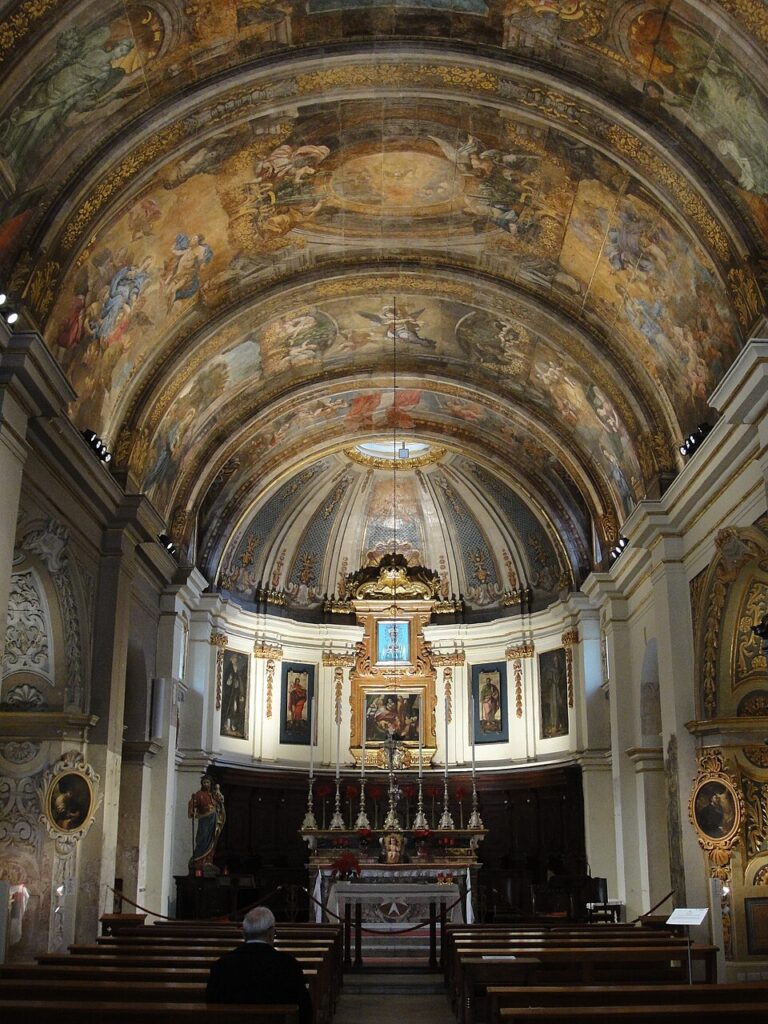
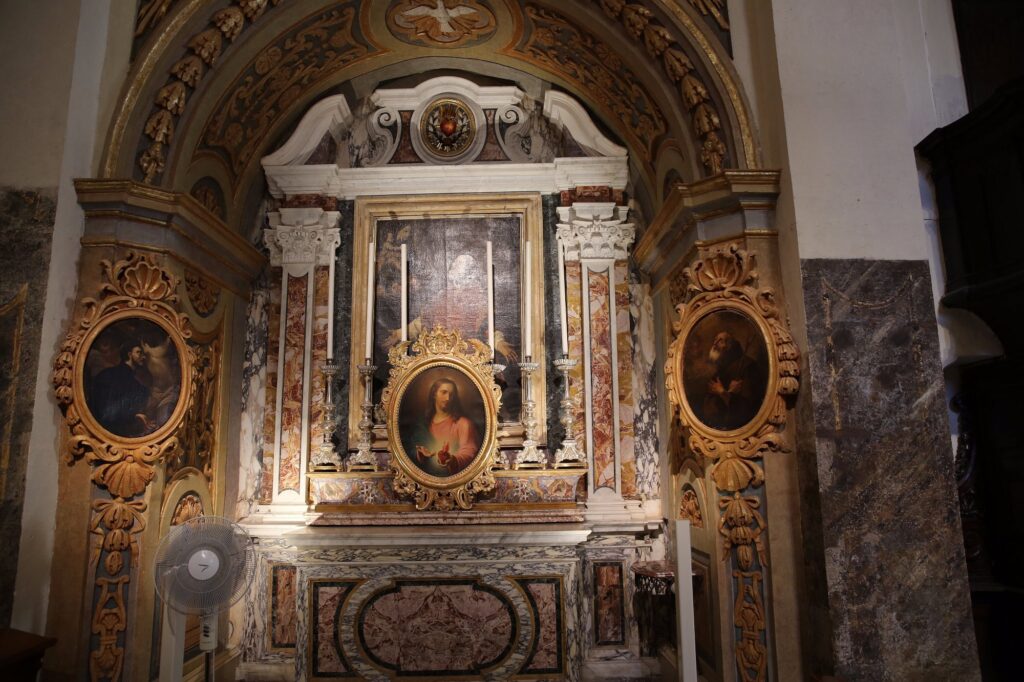
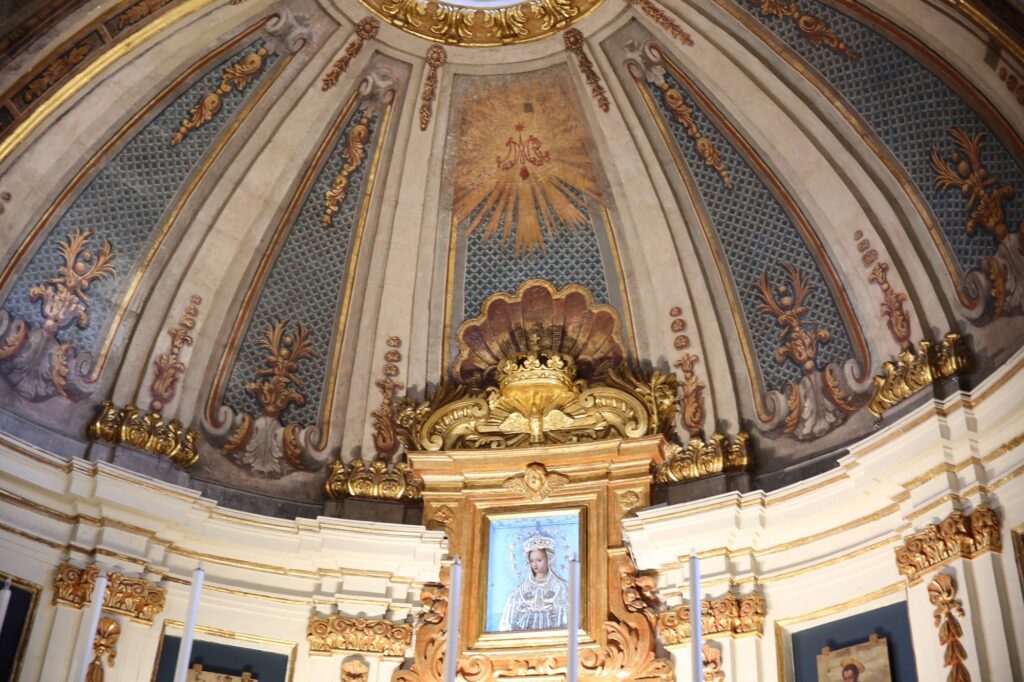
The interior of the church is a casket of artistic treasures that has regained its splendor following meticulous restoration. The most dazzling element is the vaulted ceiling, decorated with a series of masterful paintings by Alessio Erardiillustrating the life of the Virgin Mary. These vibrantly colored works contrast beautifully with the marble altars and gilded carvings that adorn the side chapels. Every detail of the interior, from maritime ex-votos to Latin inscriptions, narrates the close relationship between the Order of Saint John and the divine protection they felt they had received.
Beyond its architecture, the church today serves as a hub for national heritage preservation. Thanks to the efforts of organizations like Din l-Art Ħelwa, the temple functions not only as a place of worship but as a living museum documenting the earliest years of the Knights' presence in the city. Its façade, crowned by a bust of Pope Innocent XI, invites visitors to discover the oldest corner of Valletta. Consecrated at the very dawn of the city, this church remains an eternal reminder of the courage and faith that defined Malta’s destiny in the 16th century. Din l-Art Ħelwa, el templo no solo funciona como lugar de culto, sino como un museo vivo que documenta los primeros años de la presencia de los Caballeros en la ciudad. Su fachada, coronada por un busto del Papa Inocencio XI, invita al visitante a descubrir el rincón más antiguo de La Valeta. Consagrada en los albores de la ciudad, esta iglesia permanece como un recordatorio eterno del coraje y la fe que definieron el destino de Malta en el siglo XVI.