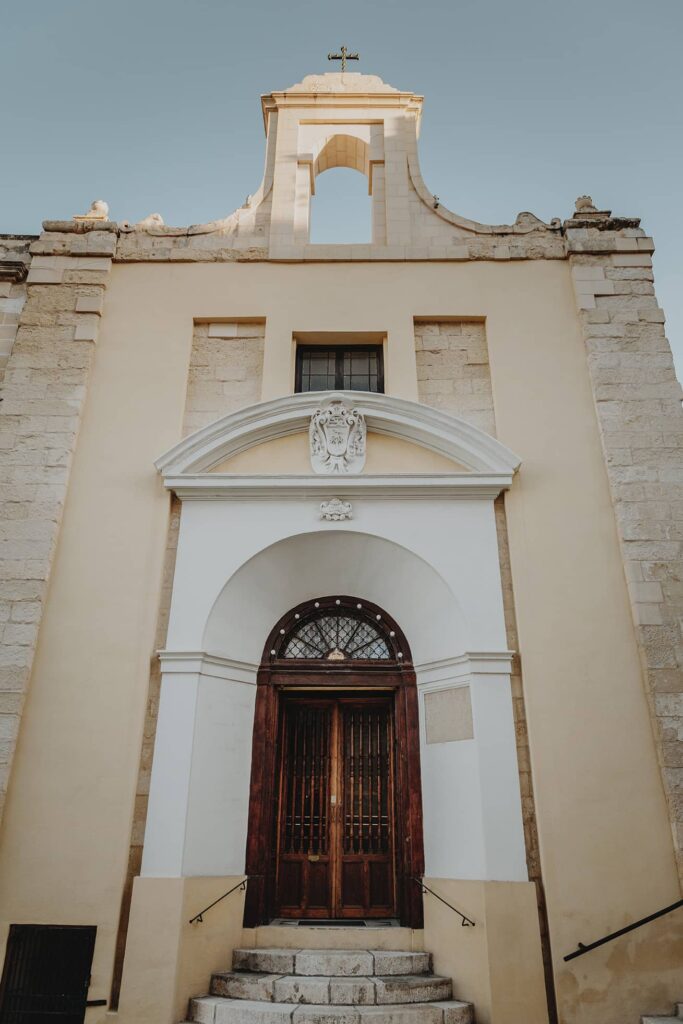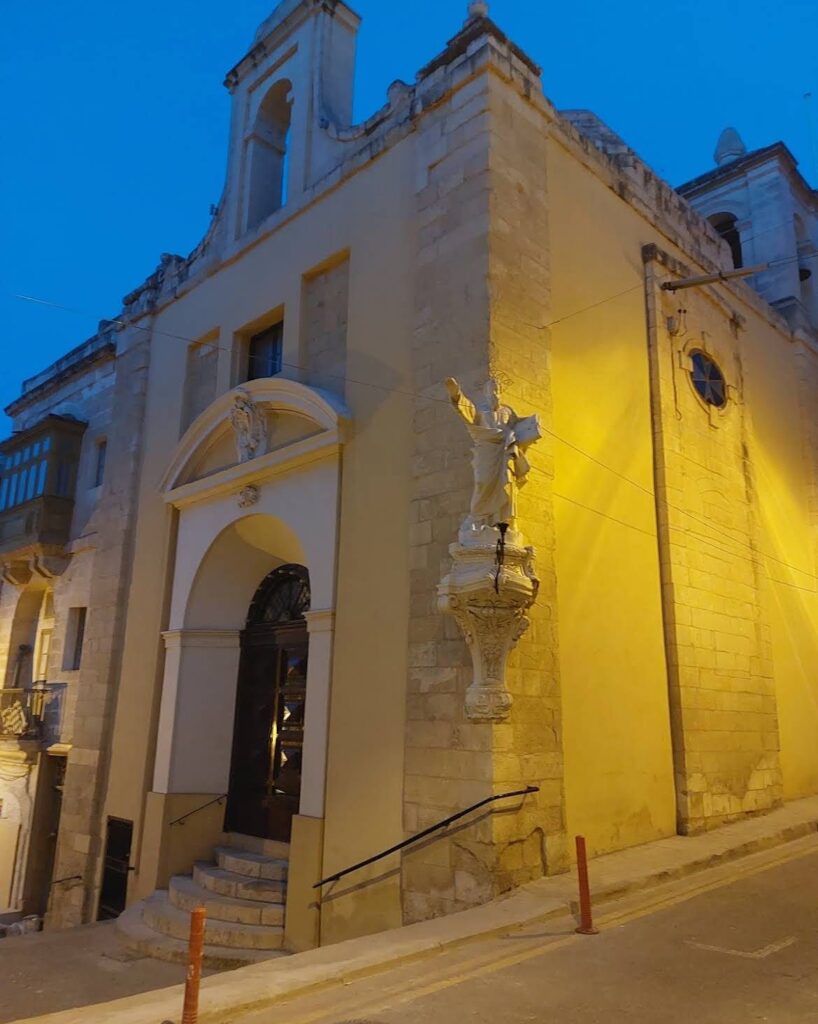
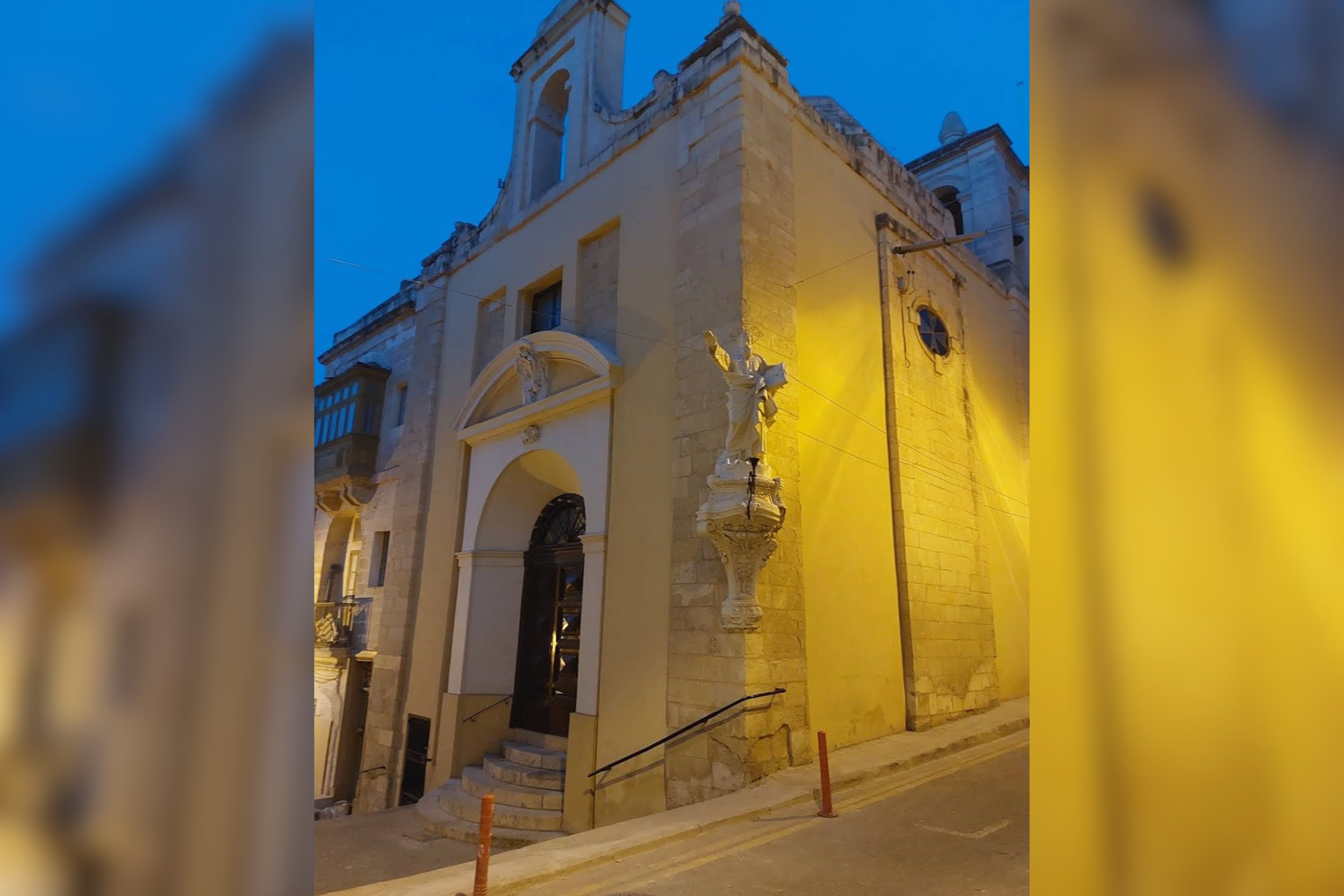
The design of St. Julian’s Church is a work of medieval origin, having been originally founded in 1311, making it the oldest building on the Senglea peninsula. Situated in the northeastern part of the city, this small church was built even before Grand Master Claude de la Sengle fortified the area. Although the current structure is largely a reconstruction following the damage sustained during World War II, the temple maintains its historical significance as the first spiritual settlement of what is now known as L-Isla.
The Origin of Senglea: St. Julian the Hospitaller
St. Julian’s Church represents the very birth of Senglea. Before becoming a fortified city, the peninsula was a hunting ground known as "St. Julian’s Island." The chapel was erected for hunters and the few inhabitants who frequented the area in the 14th century. During the Great Siege of 1565, its location near the sea made it vulnerable, but it was always rebuilt due to its symbolic value. Its limestone architecture is simple and compact, reflecting the style of early Maltese chapels, with a sober facade that looks out over the Grand Harbour.
The interior of the church stands out for its peaceful atmosphere and its connection to the maritime past. The central element is the altar dedicated to St. Julian the Hospitaller, the patron saint of hunters and hospitality. Although small compared to the Basilica of the Nativity, the church houses details that narrate the evolution of the city from an uninhabited islet to an impregnable fortress. After its final reconstruction in 1957, the temple regained its function as an intimate place of worship, where Senglea residents go to escape the hustle and bustle of the harbor.
Beyond its artistic value, the church is a fundamental landmark for understanding the historical topography of the Three Cities. Having served as the first vice-parish of the area before the Basilica was built, it stands today as a testament to longevity. Visiting this temple allows researchers and tourists to appreciate the contrast between the humble medieval origins of Malta and the later Baroque grandeur. Consecrated as a sanctuary of origins, it is a mandatory stop to complete the 300 points of historical and religious interest on the island.