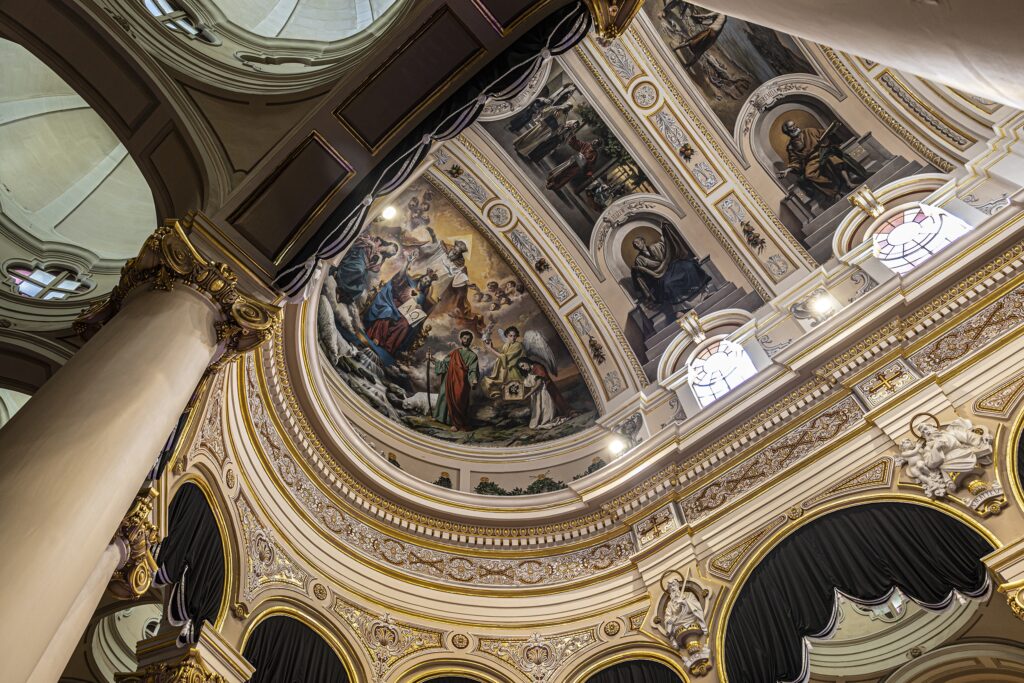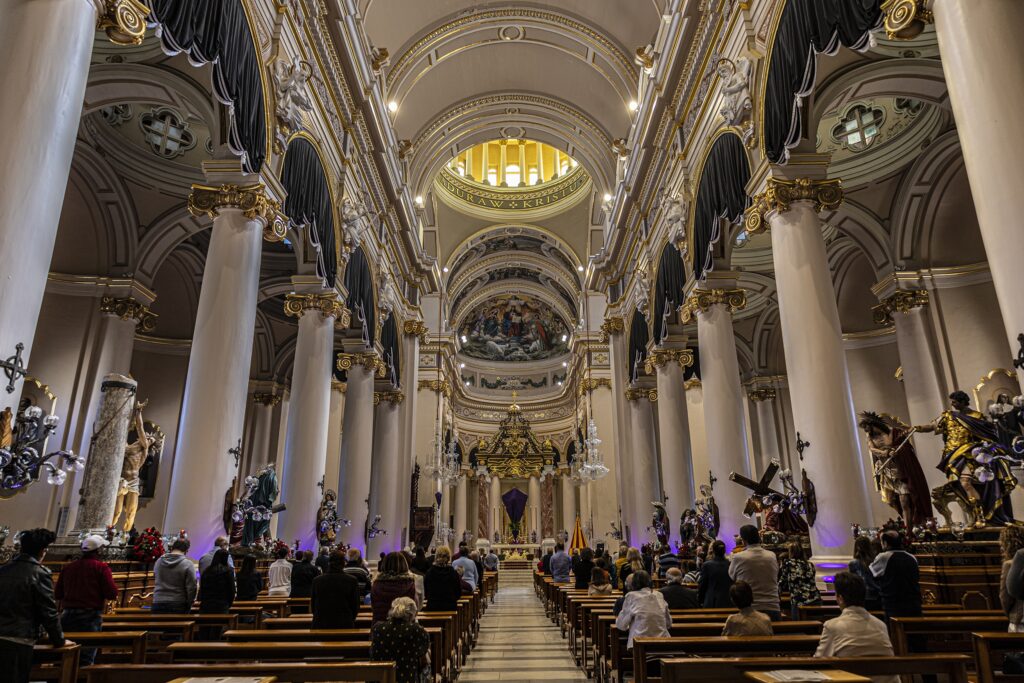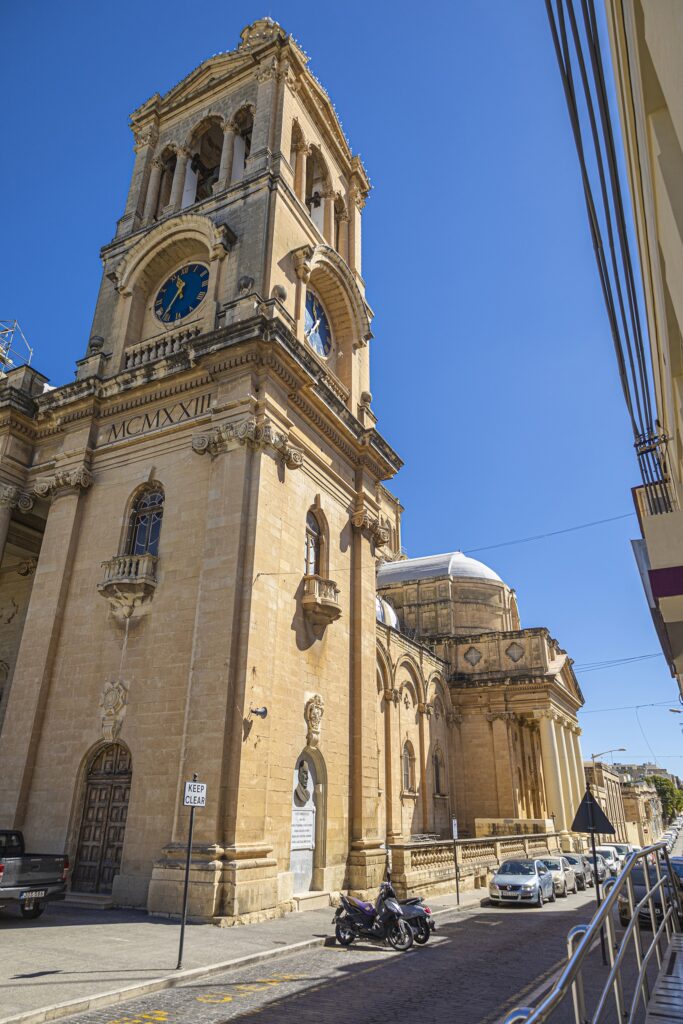
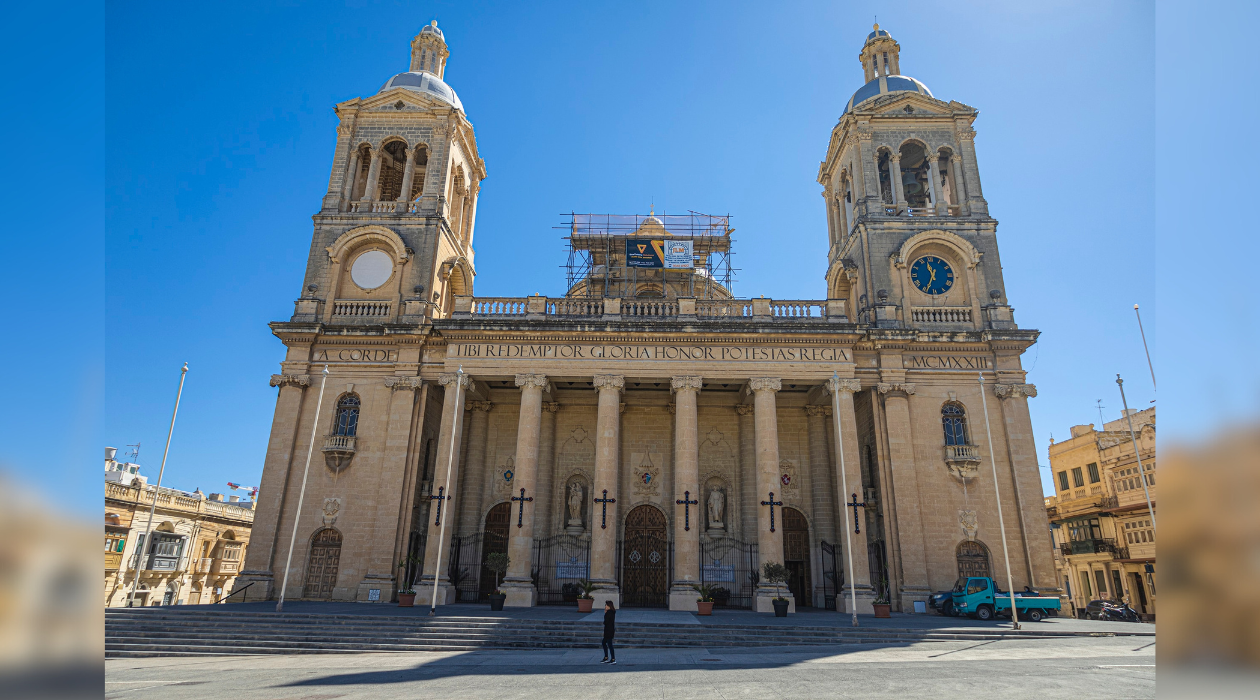
The parish church of Paola is dedicated to Christ the King and was built between 1924 and 1959. Initially, it was planned on the site of an older church, but this idea was abandoned in favor of constructing a new parish church in a more prominent location at the city center. The new church was designed in a blend of Baroque and Neoclassical architecture by Guzè D’Amato, although the on-site construction was overseen by the Maltese architect Filippo Tortell. Its dimensions are impressive, measuring 250 feet in length and 100 feet in width, and it includes a total of ten altars.
A Monument of Faith and Grandeur in Paola
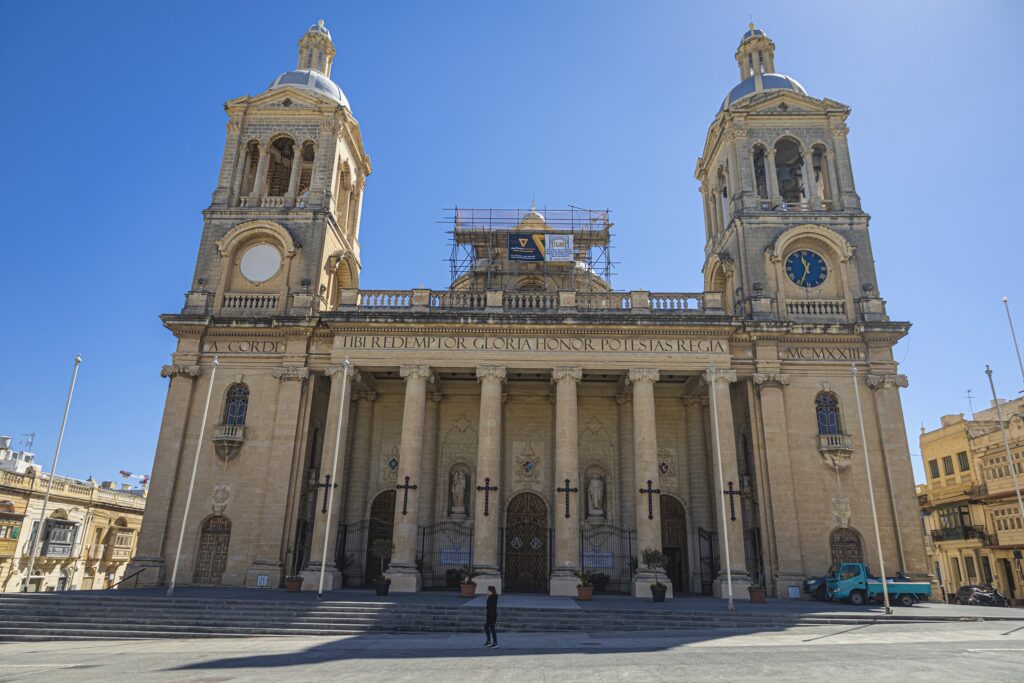
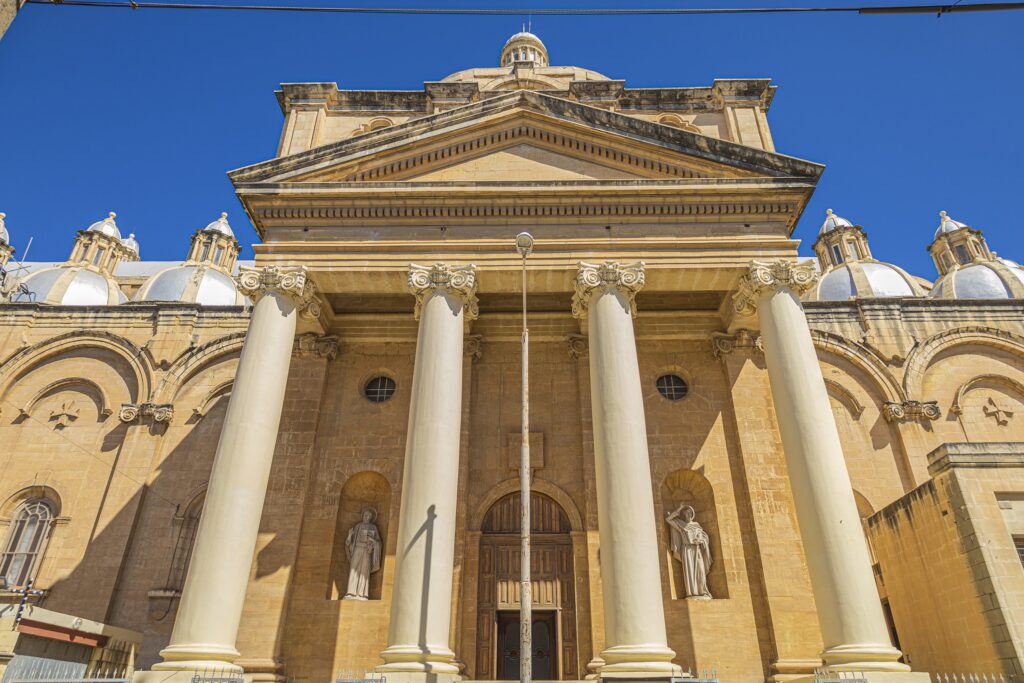
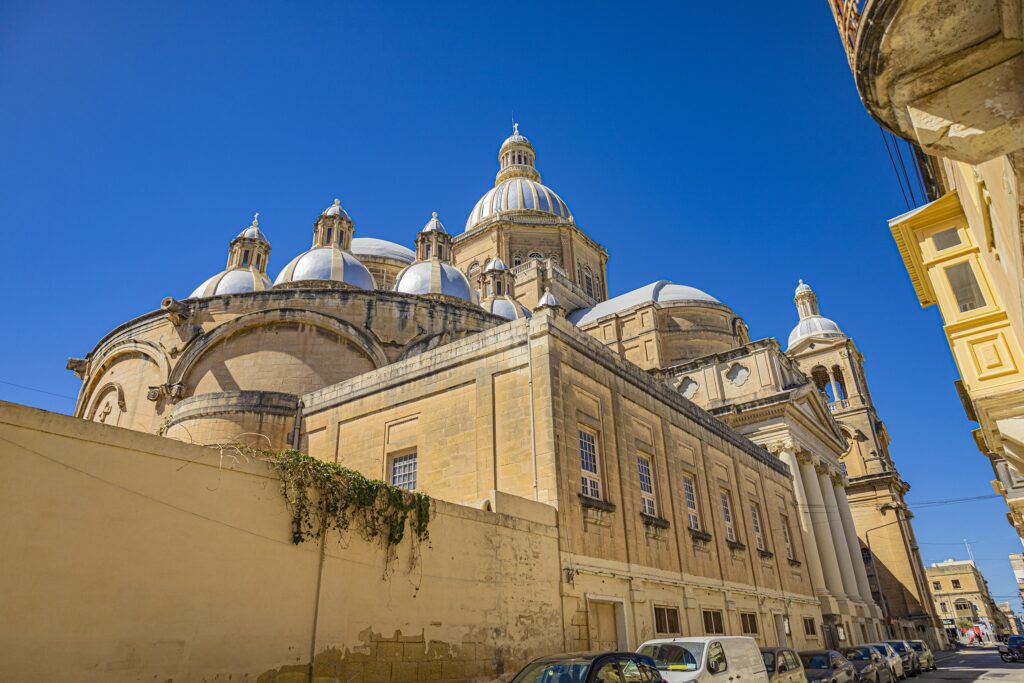
The Basilica of Christ the King is one of the most imposing religious structures in Malta, distinguished by its monumental 30-meter-wide portico supported by six modern Ionic columns. The façade, noted for its strict symmetry, features statues of Saint Joseph and the Virgin Mary, sculpted in 1926 by Antonio Zammit. On either side rise two 50-meter-tall bell towers divided into three Neoclassical sections, topped with dome-shaped spires that dominate the urban landscape. A fascinating architectural detail is the nineteen smaller domes that run along the roof, visually defining the side aisles along the church’s expansive central nave.
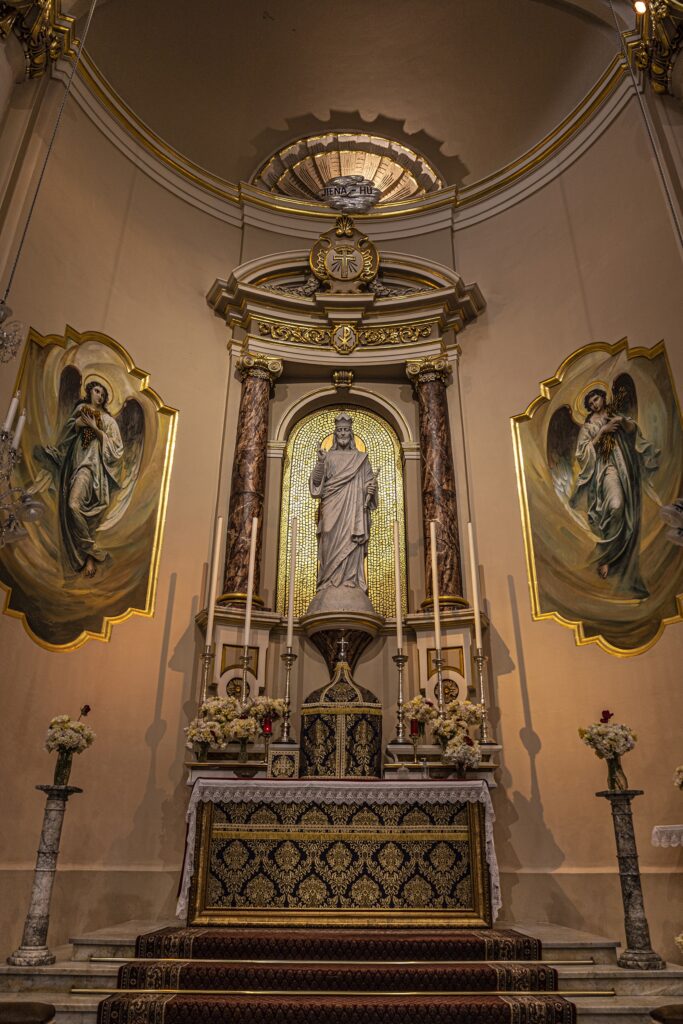
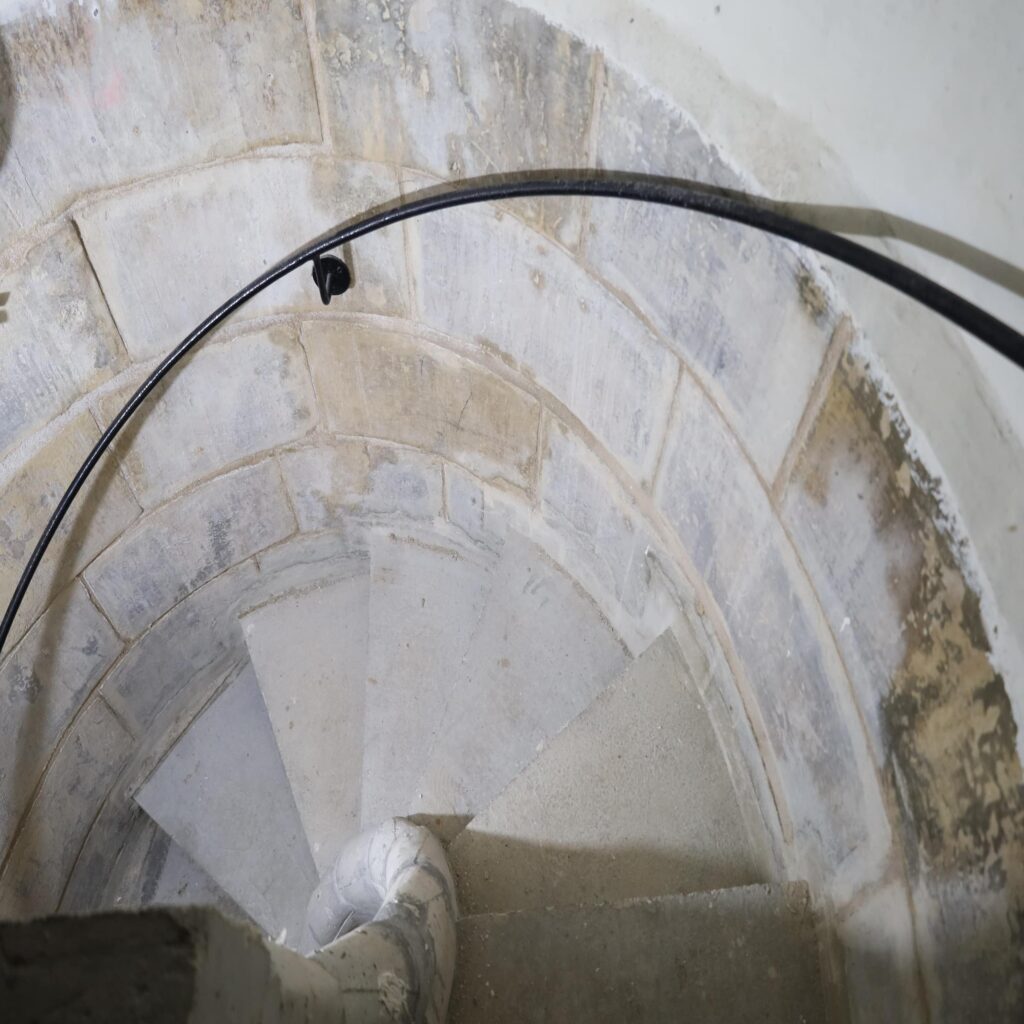
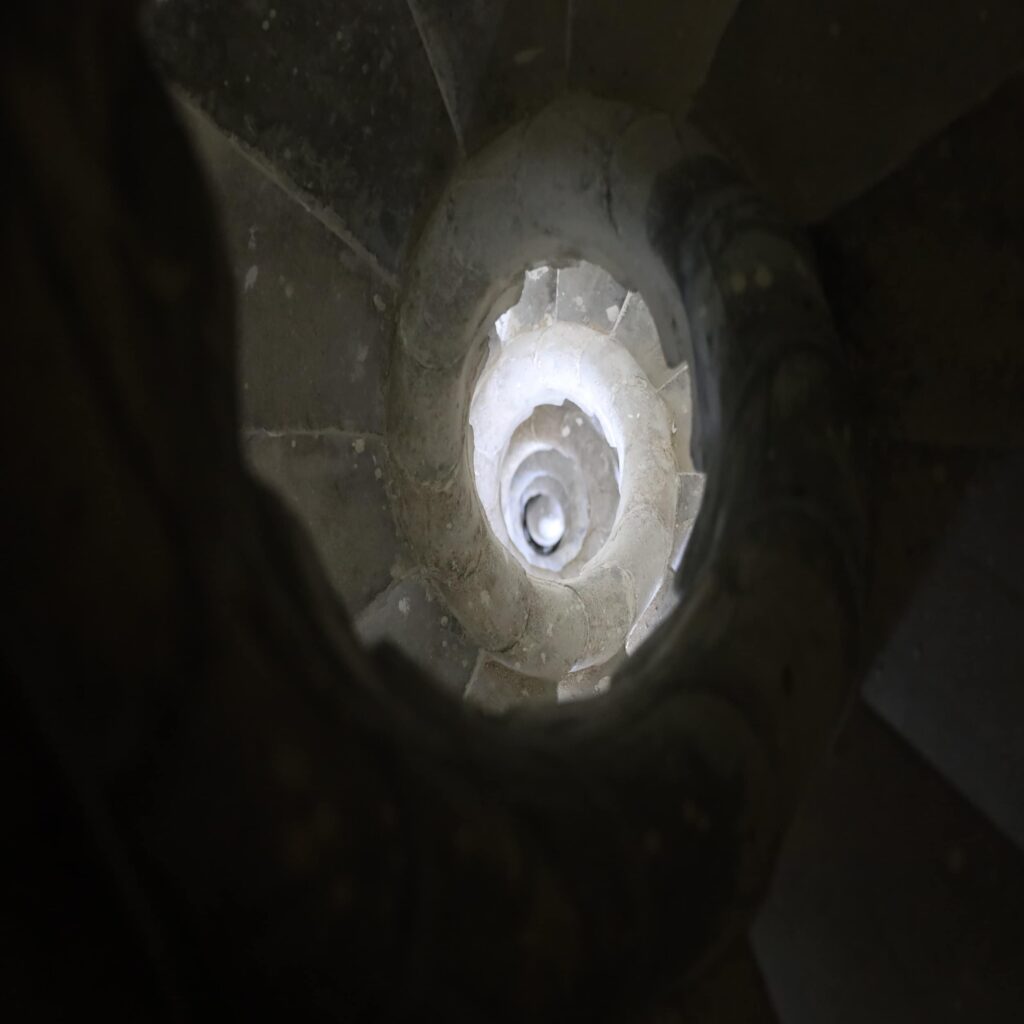
Inside, the apse is dominated by the titular statue of Christ the King, a figure in a blessing pose framed by marble columns and a segmental pediment. The side chapels display a collection of contemporary Maltese sculpture in materials such as stone, marble, and papier-mâché, created by artists like John Spiteri Sacco and Gianni Bonnici, strategically placed in front of windows so that natural light highlights their contours. Additionally, access to the upper levels is provided via the traditional garigori (spiral staircases), which have been modernized while preserving the limestone design, allowing light to pass through the steps.
The preservation of this architectural giant has been made possible thanks to projects co-financed by the European Union. The interventions focused on restoring the side façades and columns to halt natural deterioration, as well as on the structural rehabilitation of the spiral staircases leading to the bell towers. These works have not only ensured the building’s integrity but also allowed for the safe opening of a rooftop observation gallery, promoting sustainable tourism and offering the community a unique perspective from one of the island’s most prominent monuments.