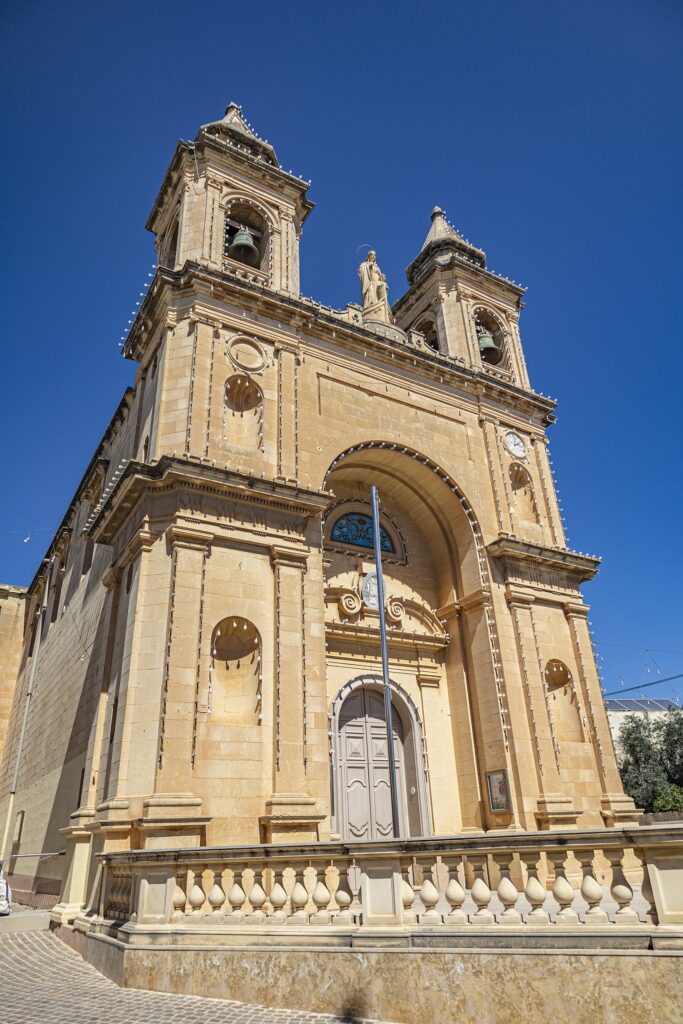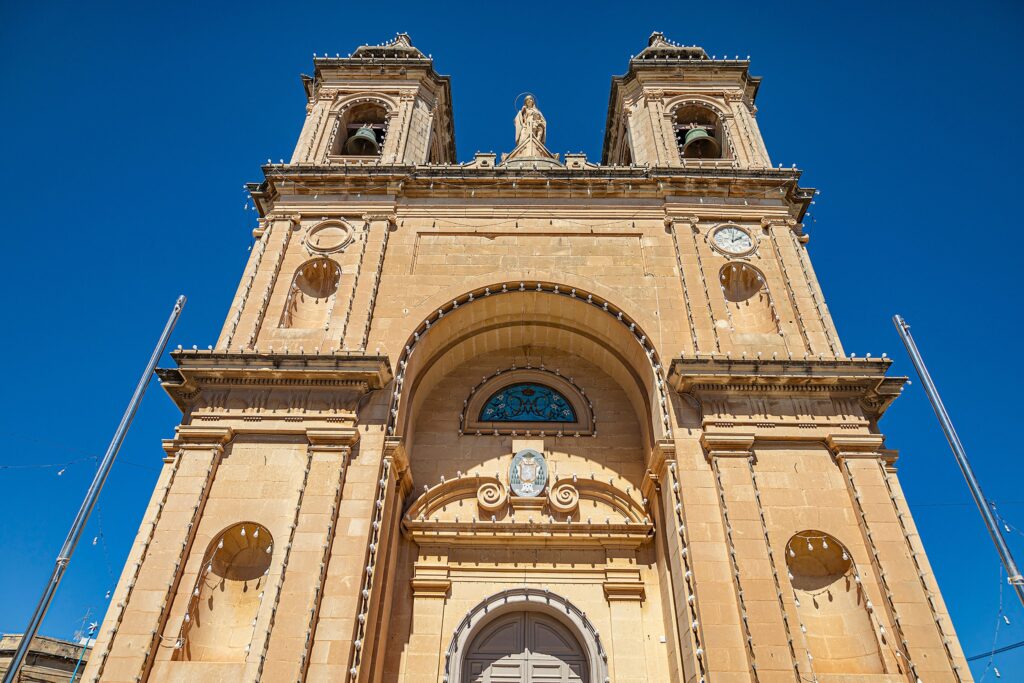
The parish church in the fishing village of Marsaxlokk was built between 1890 and 1892 on the site of an older church. A few years later, plans were made to transform the existing building into the main nave of the new church, with a cruciform design attributed to the Maltese architect Guzé Bellia. In 1907, master mason Giuseppe Mifsud from Żejtun constructed the new church. Further structural modifications were carried out during the 1920s.
A Haven of Faith in Marsaxlokk
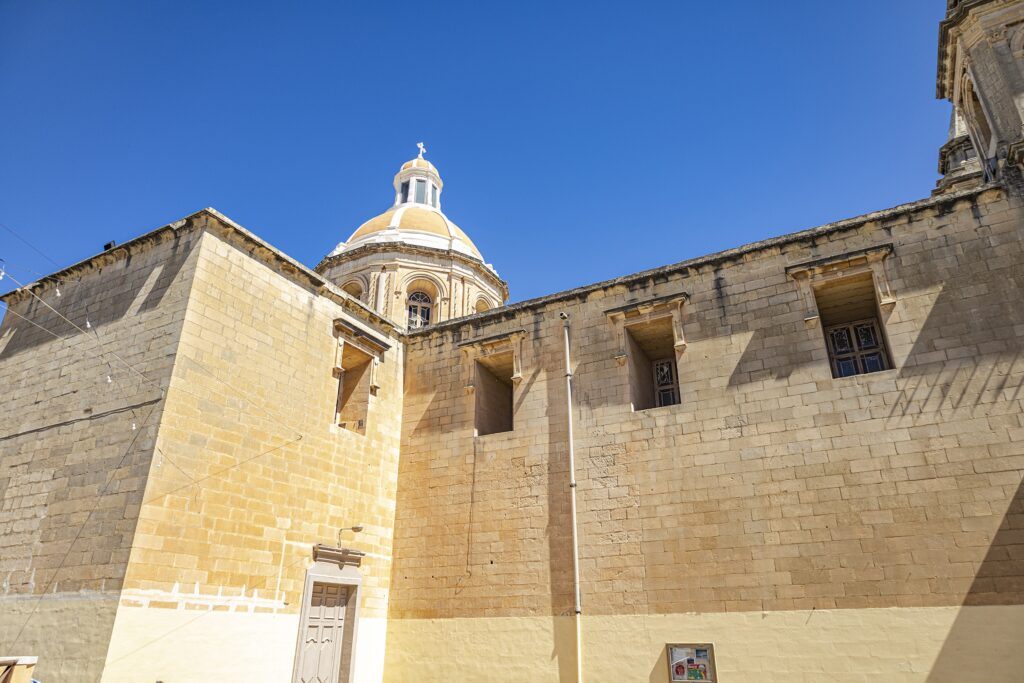
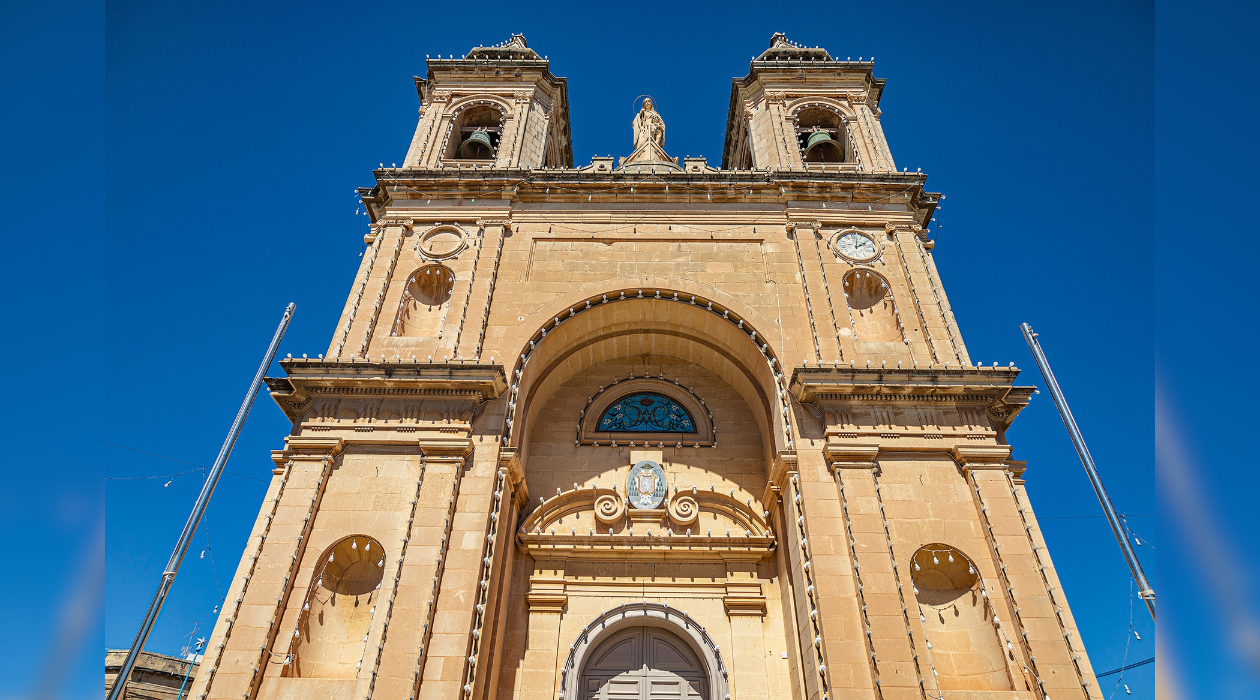
The Church of Marsaxlokk is a symbol of Malta’s maritime identity, featuring a Doric-Tuscan façade built between 1930 and 1933, notable for its Baroque portal and twin bell towers. A distinctive element is the sculpture of the Virgin with Child in a fishing boat, created by Marco Montebello in 1975, which presides over the top of the façade. Its octagonal dome, designed by Joseph Lia and completed in 1948, required reinforcement of the pilasters with concrete to support its weight, and the interior is beautifully decorated with scenes from the life of Mary painted by Toussaint Busuttil.
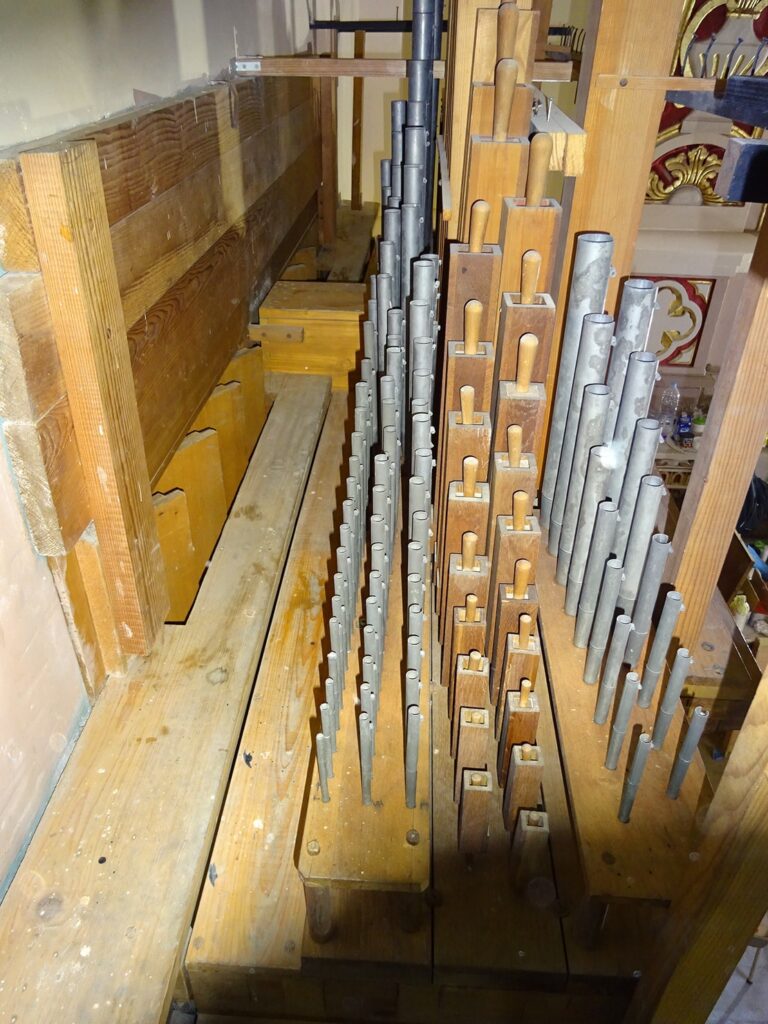
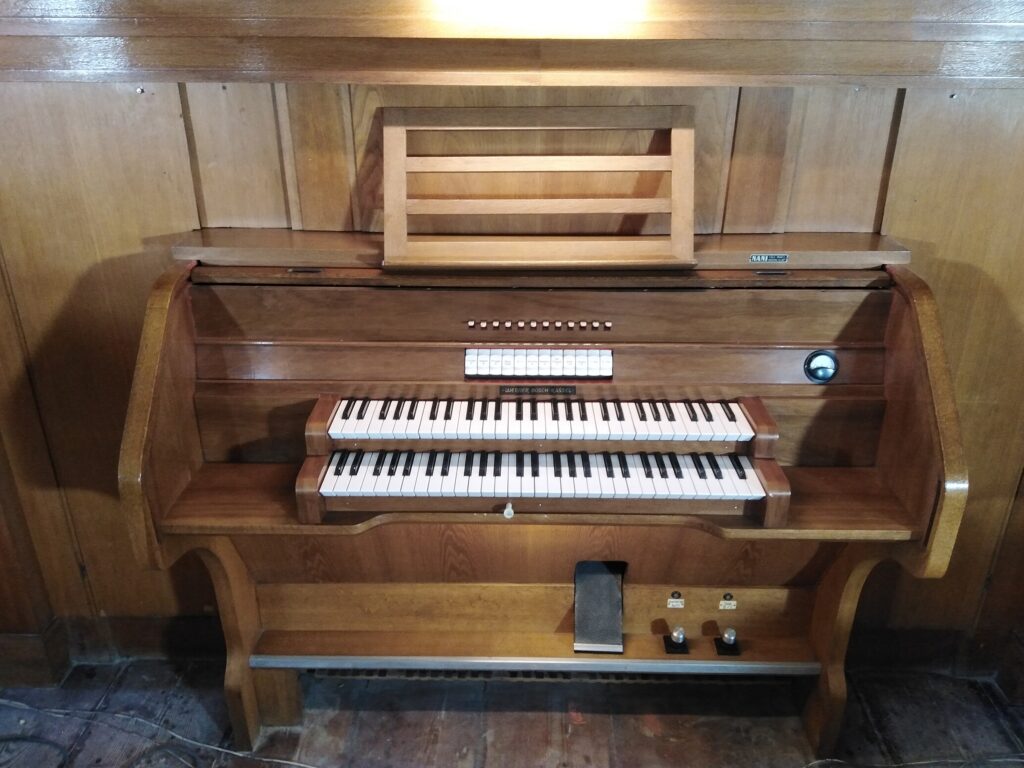
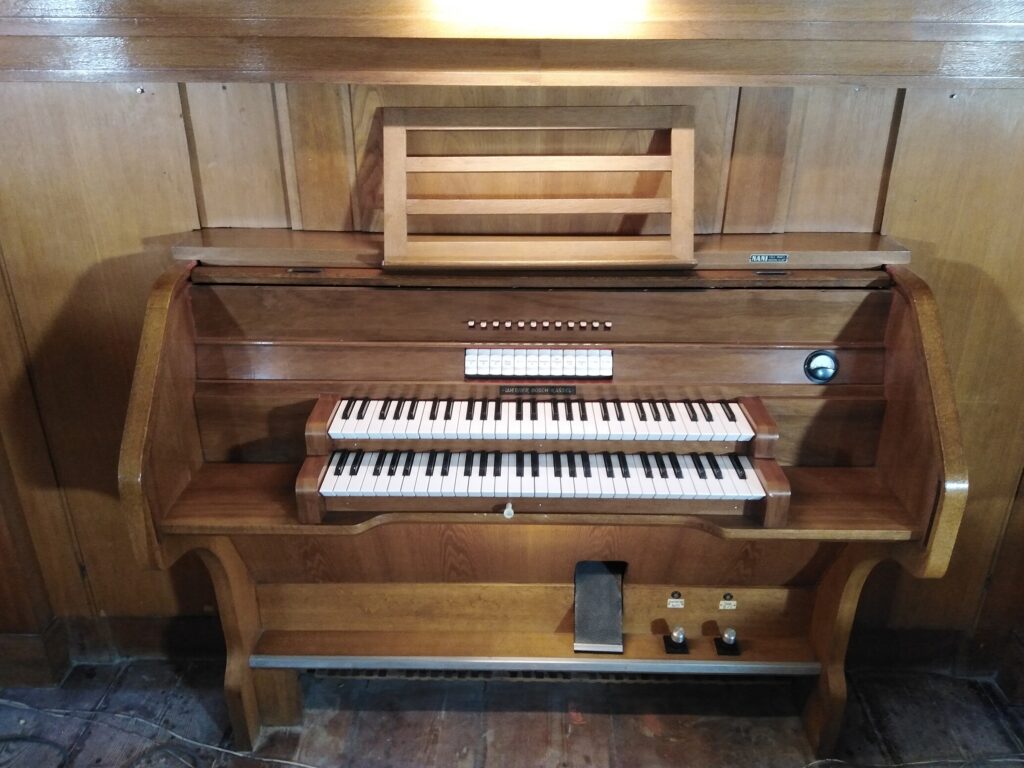
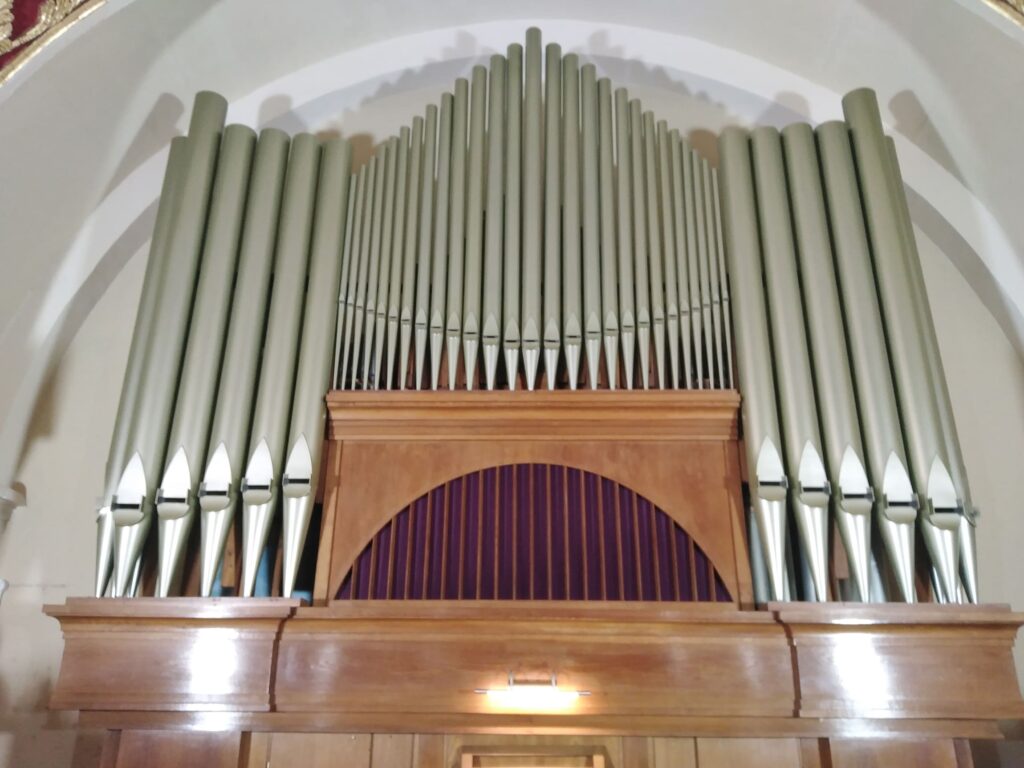
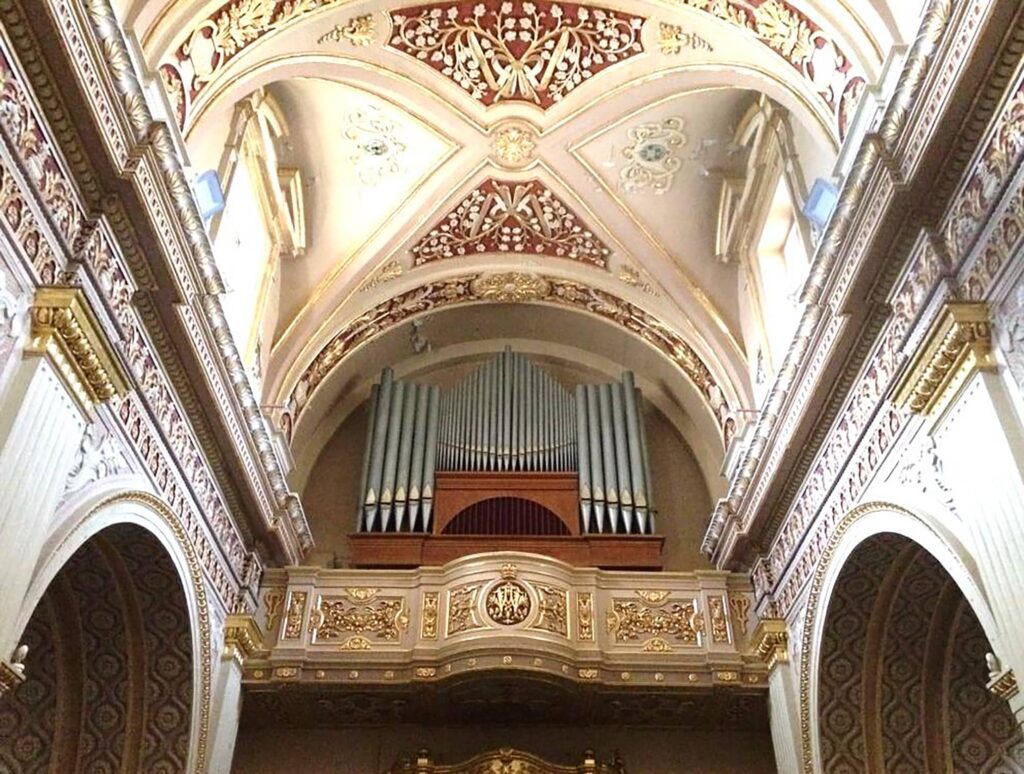
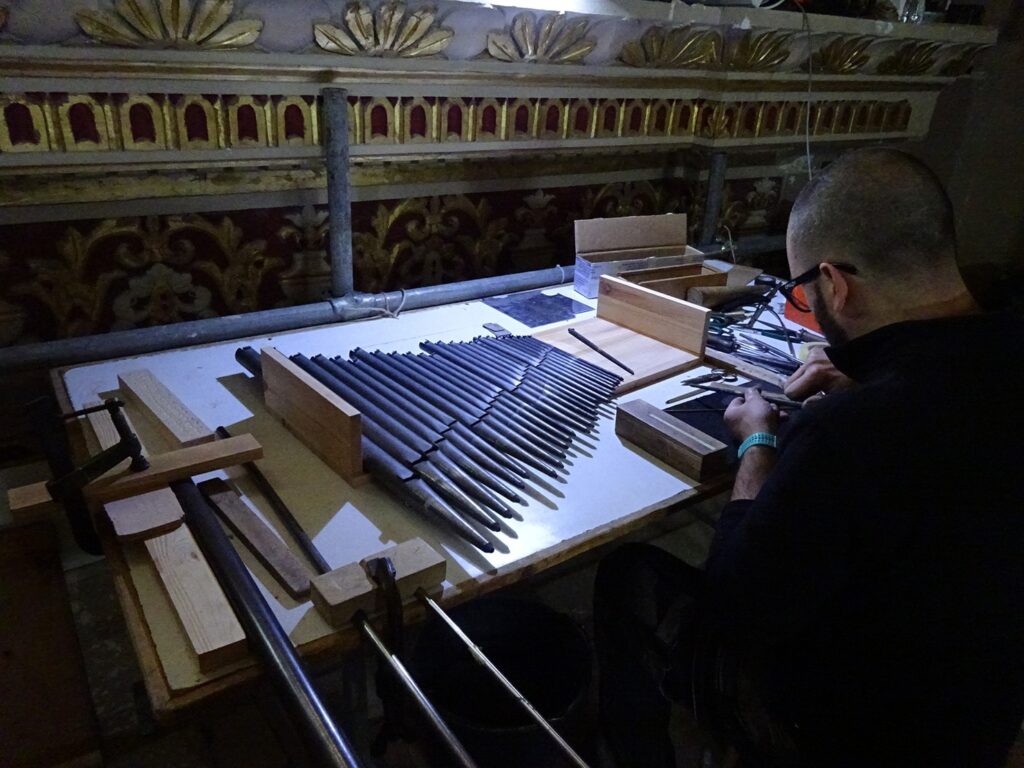
The church’s interior artistic heritage is exceptional, highlighted by the marble main altar designed by Vincenzo Bonello. The titular painting of Our Lady of the Rosary of Pompeii, created by Peppino Abela Testaferrata in the late 19th century, depicts the Virgin giving the rosary to Saint Dominic and Saint Catherine of Siena. The church also houses works by major masters, including Giuseppe Calì, who painted the canvases of Saint Vincent Ferrer (1913) and a symbolic Holy Family in which Saint Joseph appears as the protector of the Church. On the entrance balcony sits a modern-design organ, crafted by the German firm Werner Bosch in 1954, a key element in the parish’s liturgical and musical life.
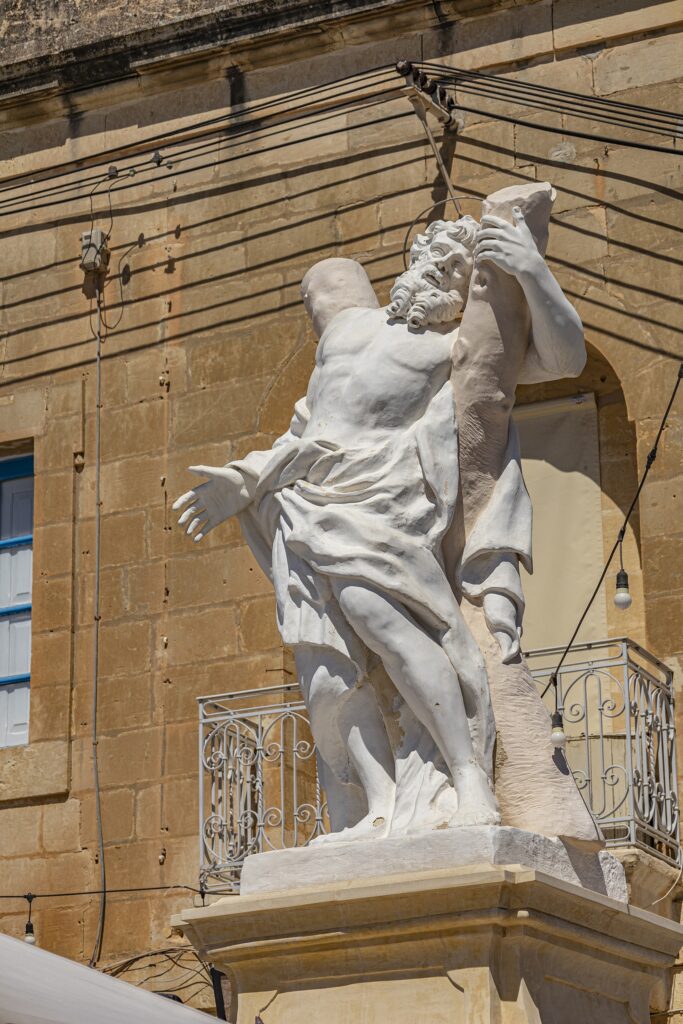
Local devotion extends to the main square, where a statue of Saint Andrew—the patron saint of fishermen—carved in 1791 by Vincenzo Dimech, watches over the harbor. The commitment to preserving this heritage has been supported by several projects co-financed by the European Union, enabling the comprehensive restoration of the organ, the cleaning and consolidation of Saint Andrew’s sculpture, and the conservation of valuable paintings by Calì and Bonnici. These interventions ensure that both art and music continue to enrich the heart of this coastal community.