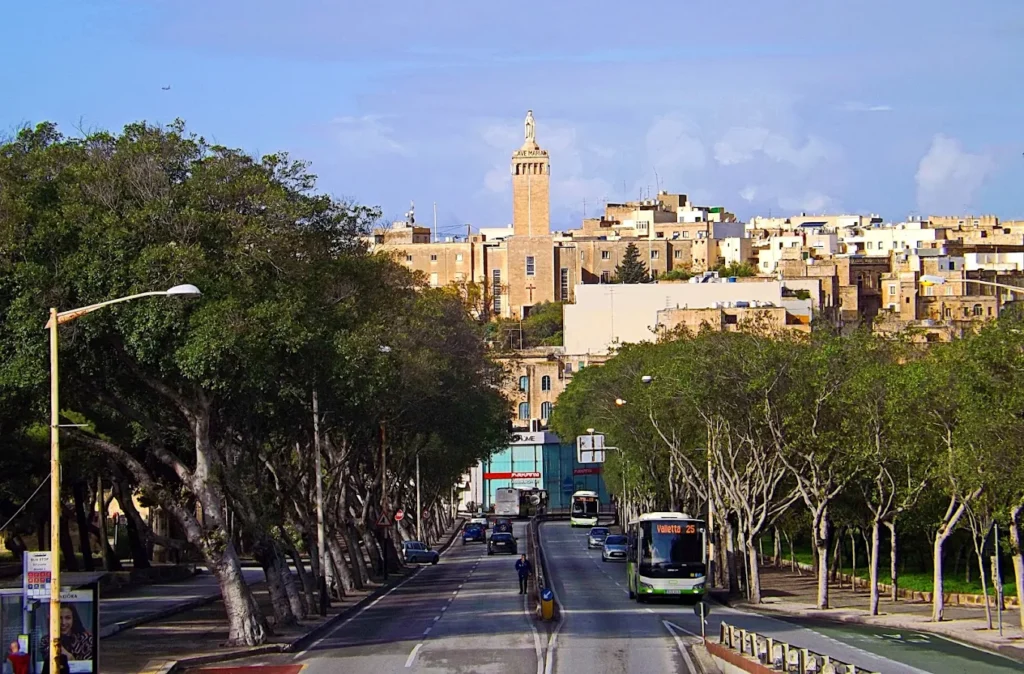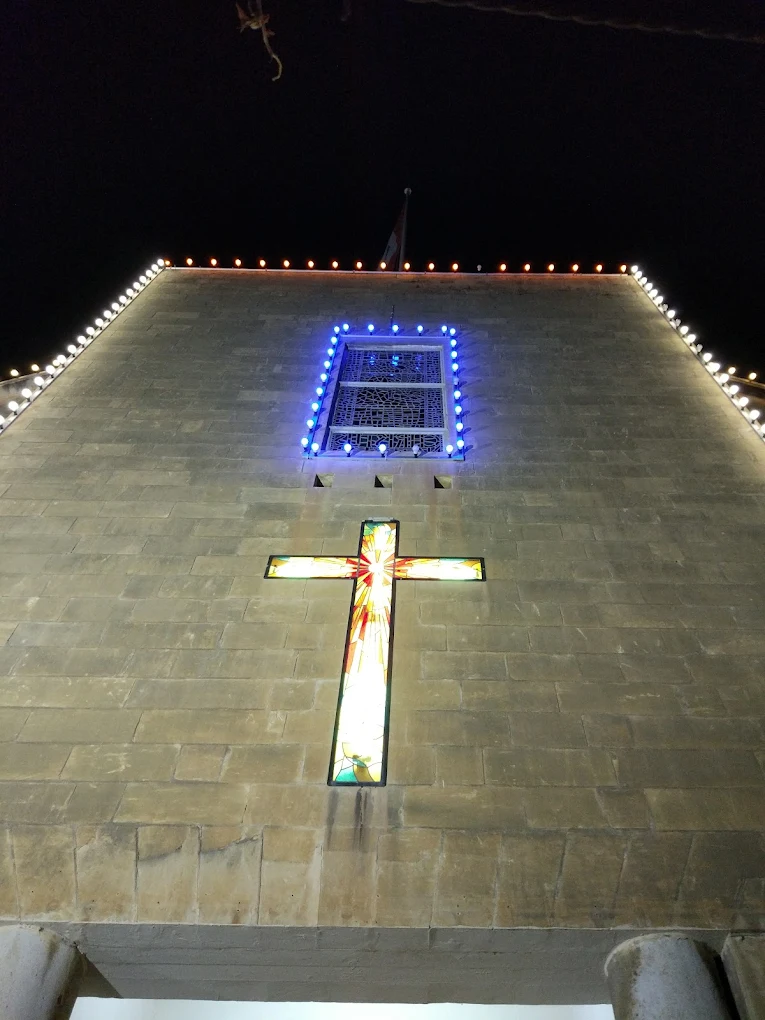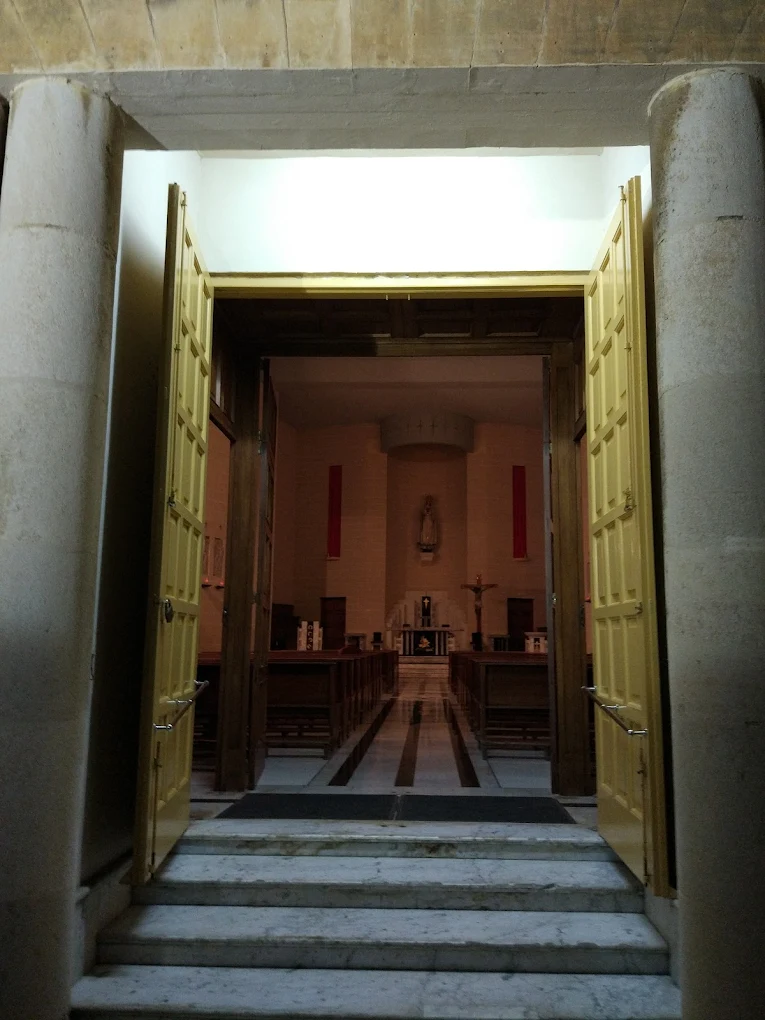
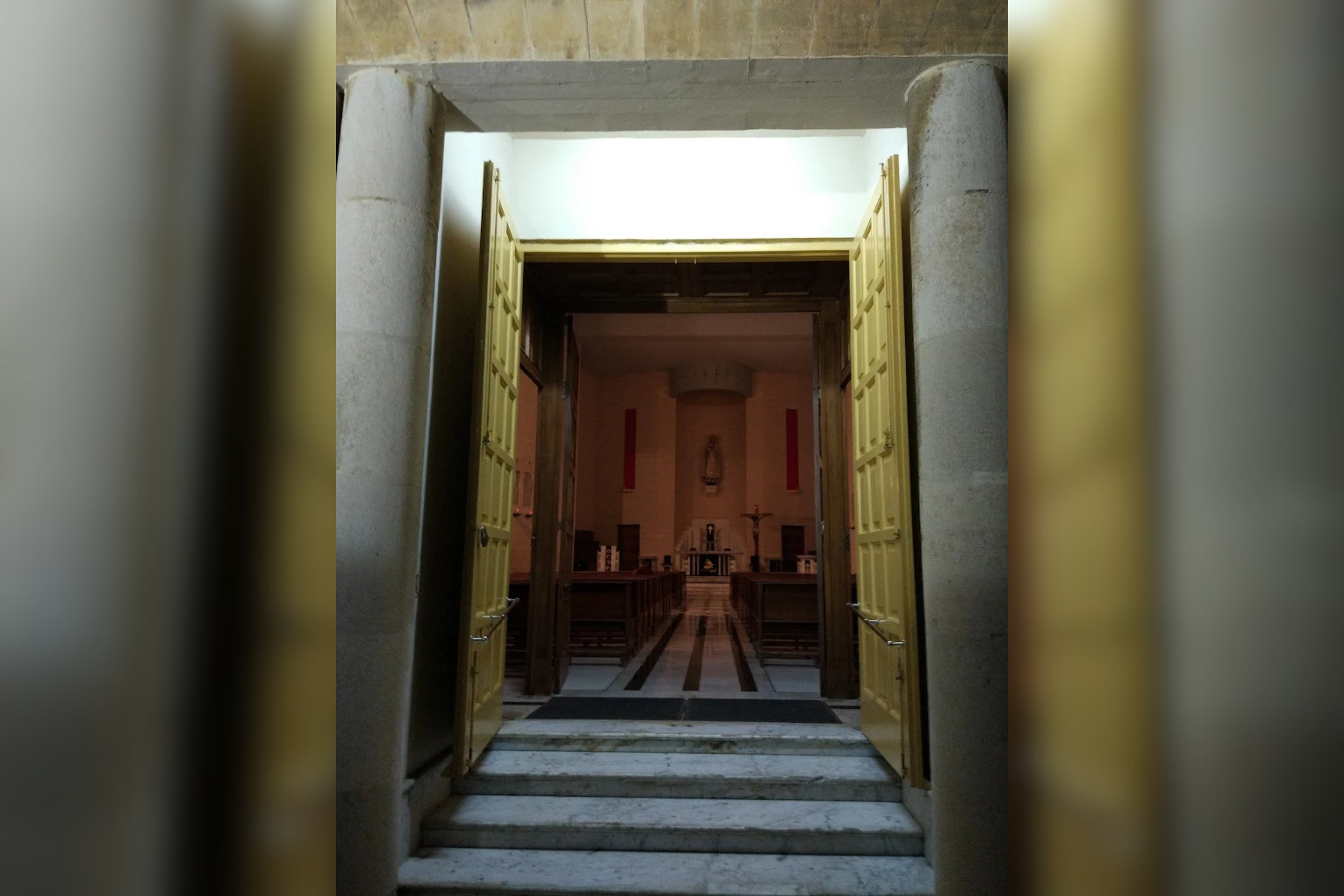
The design of Iglesia de Nuestra Señora de Fátima is a work of mid-20th-century religious architecture, having been constructed by the Dominican friars starting in 1952Situated on the strategic Gwardamanġa , this sanctuary was built under the guidance of the Dominican province and specifically through the efforts of Fr. Esmond Klimeck. Unlike the ancient Baroque temples of the Grand Harbour, this church stands out for its mid-century functional structure, designed to serve as the national headquarters for the Rosary Crusade in Malta.
A Modern Center of Devotion: Fatima at Gwardamanġa
The Church of Our Lady of Fatima represents the spiritual expansion and urban development of Malta following World War II. Opened in 1955 and elevated to the status of a parish in 1968, the church became a vital anchor for the growing residential community near St. Luke’s Hospital. It is a spiritual landmark widely known for its link to the apparitions of Fatima and its role as a center for Marian prayer. Its limestone architecture, while simpler than that of previous centuries, reflects the solemnity and clean lines characteristic of contemporary Dominican shrines.
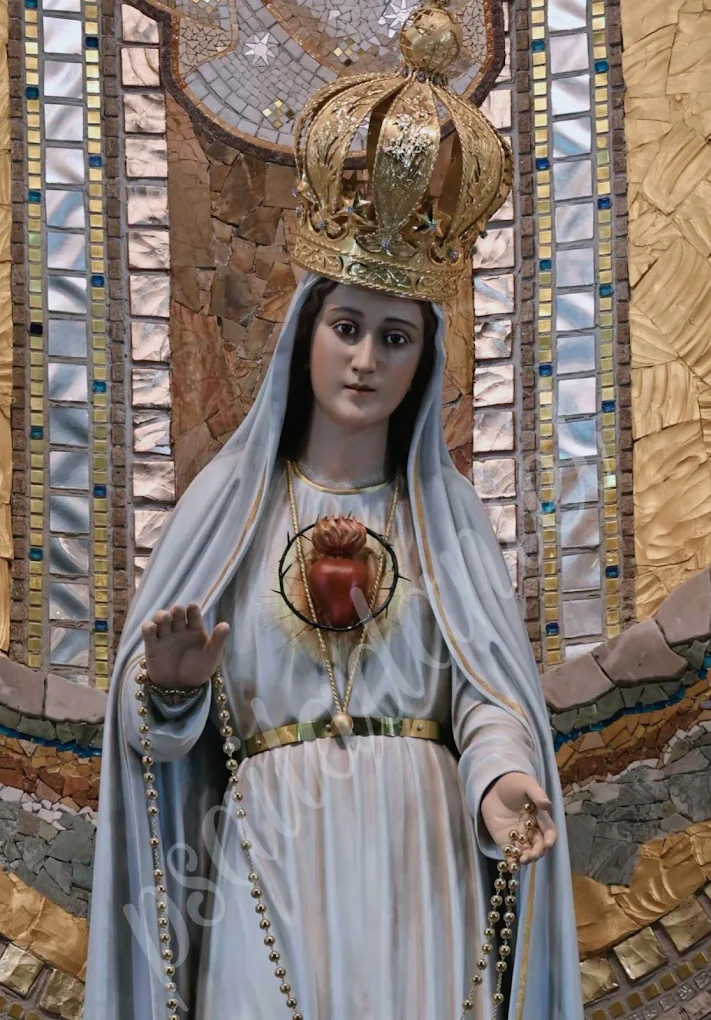
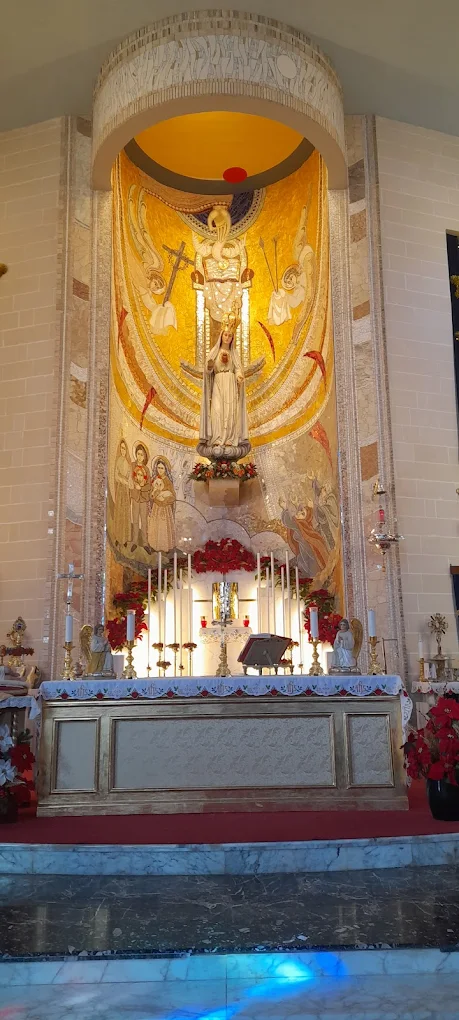
El interior de la iglesia destaca por su amplitud y su enfoque en la liturgia comunitaria. El elemento central es la titular statue of Our Lady of Fatima, which arrived from Portugal in 1956 and remains a focus of great local veneration, especially during the October processions. The temple houses spaces dedicated specifically to the recitation of the Rosary, with an interior decor that emphasizes clarity and contemplation. The immediate surroundings include the historic Villa Guardamangia in the foreground—a landmark currently facing challenges from modern redevelopment—and the famous Villa Guardamangia, adding significant heritage value to the parish environment.
Beyond its artistic value, the church is the social heart of Gwardamanġa Hill. Having served as a beacon of hope during Malta’s decades of national reconstruction, the parish remains a vibrant hub of religious and community activity. Today, visiting this sanctuary allows for an understanding of the evolution of 20th-century Maltese Catholic identity and the importance of newer parishes within the modern urban fabric. Consecrated as a sanctuary of prayer and peace, it is a key piece for completing the religious map of the Pietà area and its surroundings.