St. Paul's Pro-Cathedral (Anglican)
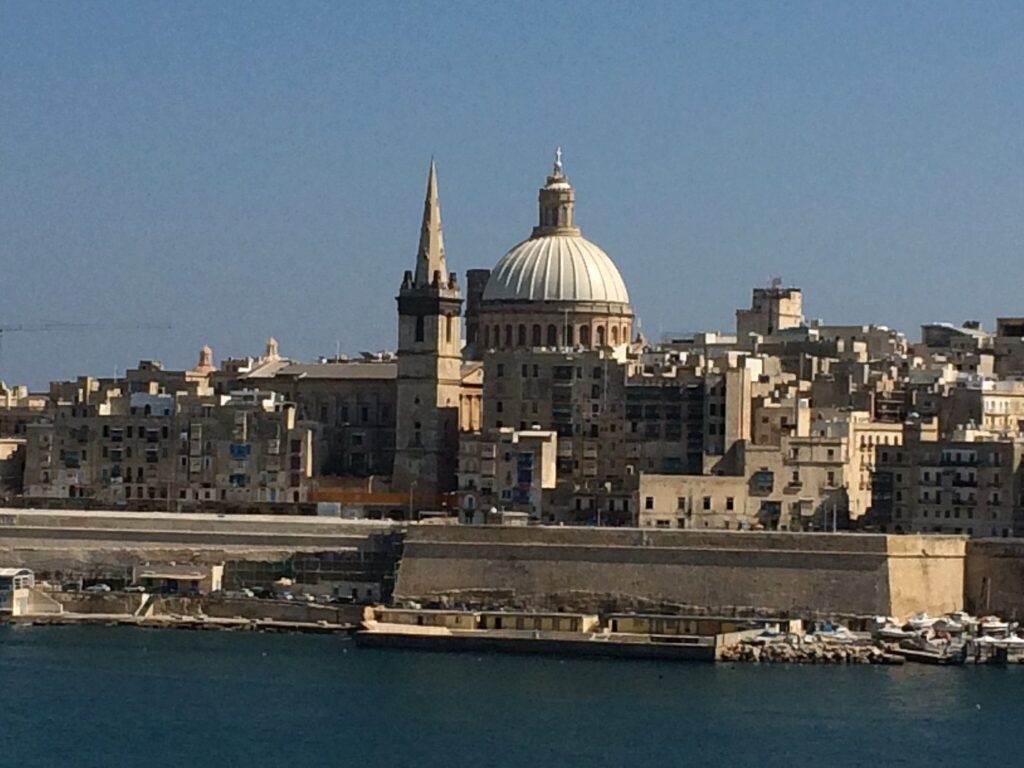
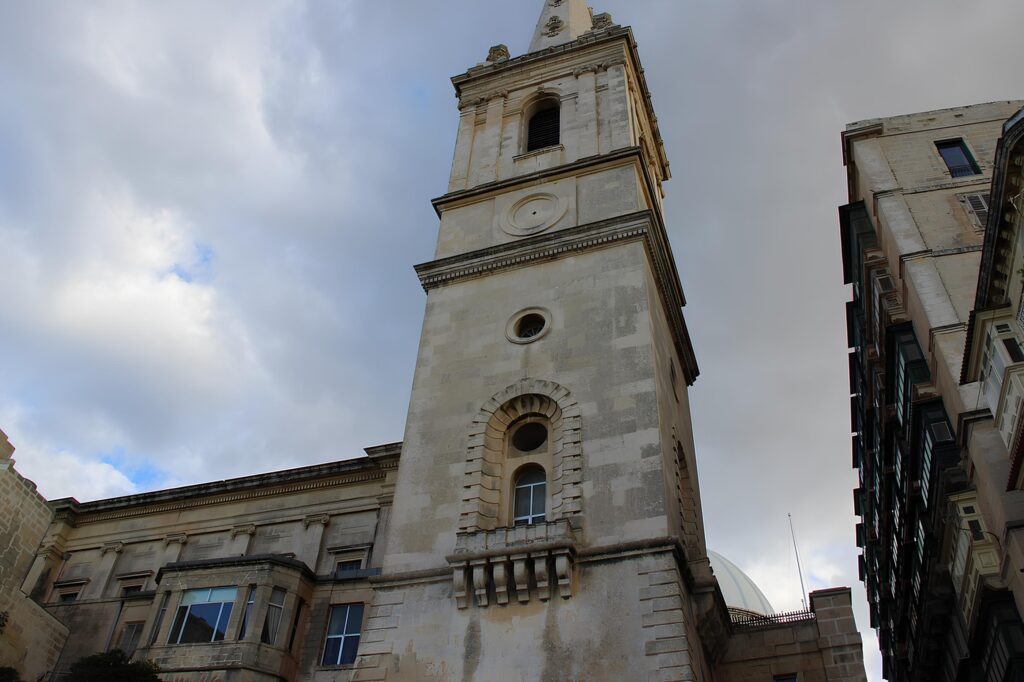
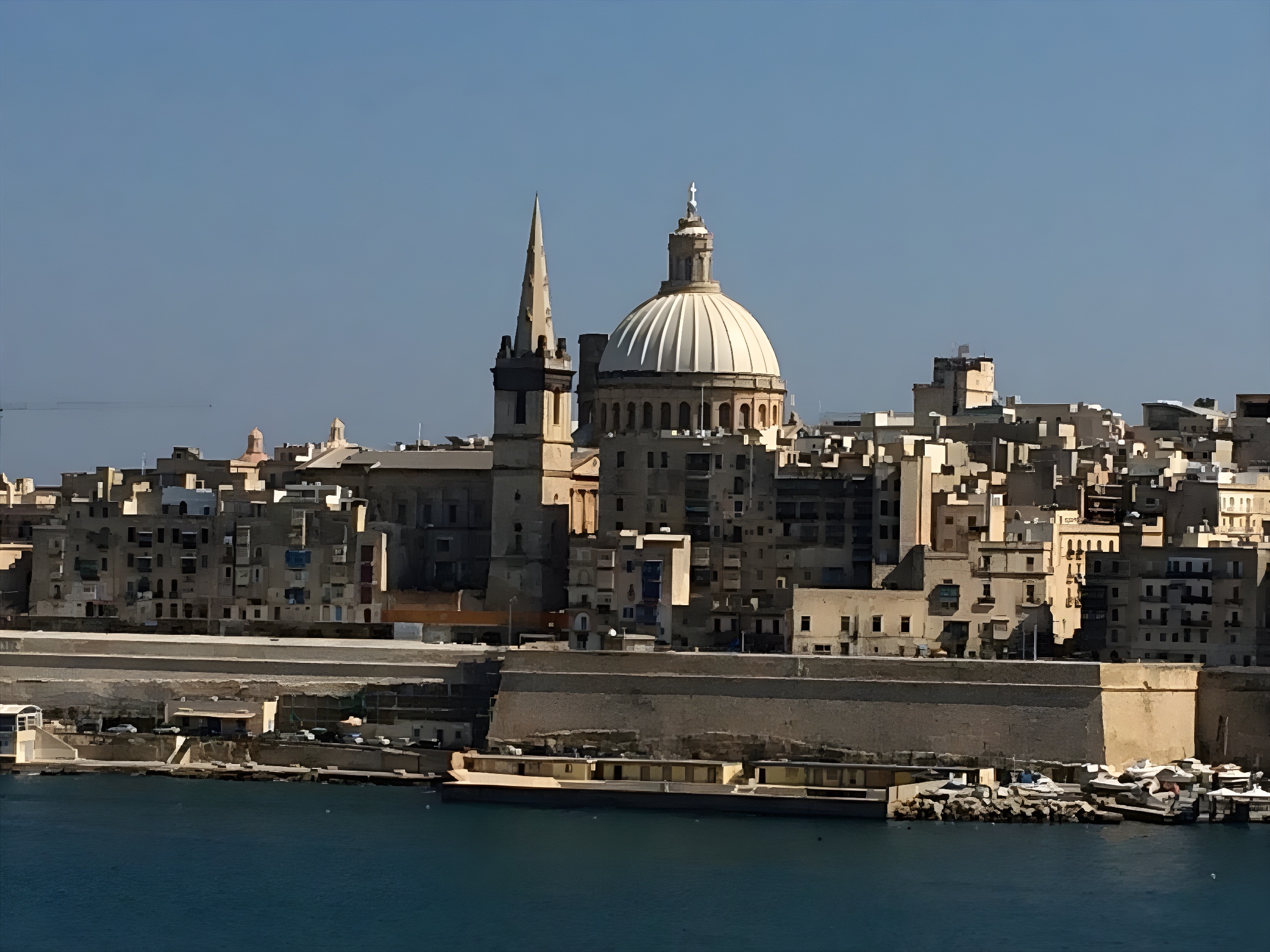
The design of St. Paul's Pro-Cathedral is attributed to the English architect William ScampBuilt between 1839 and1844, its construction was funded and promoted by Queen Adelaide following her visit to the island, after she noticed the lack of a prominent Anglican place of worship. While the churches of Malta are predominantly Baroque, this temple stands out for its Neoclassical style, featuring an imposing tower and a 60-meter spire that has become an iconic element of the Valletta skyline.
A Neoclassical Beacon on the Horizon: St. Paul's Pro-Cathedral
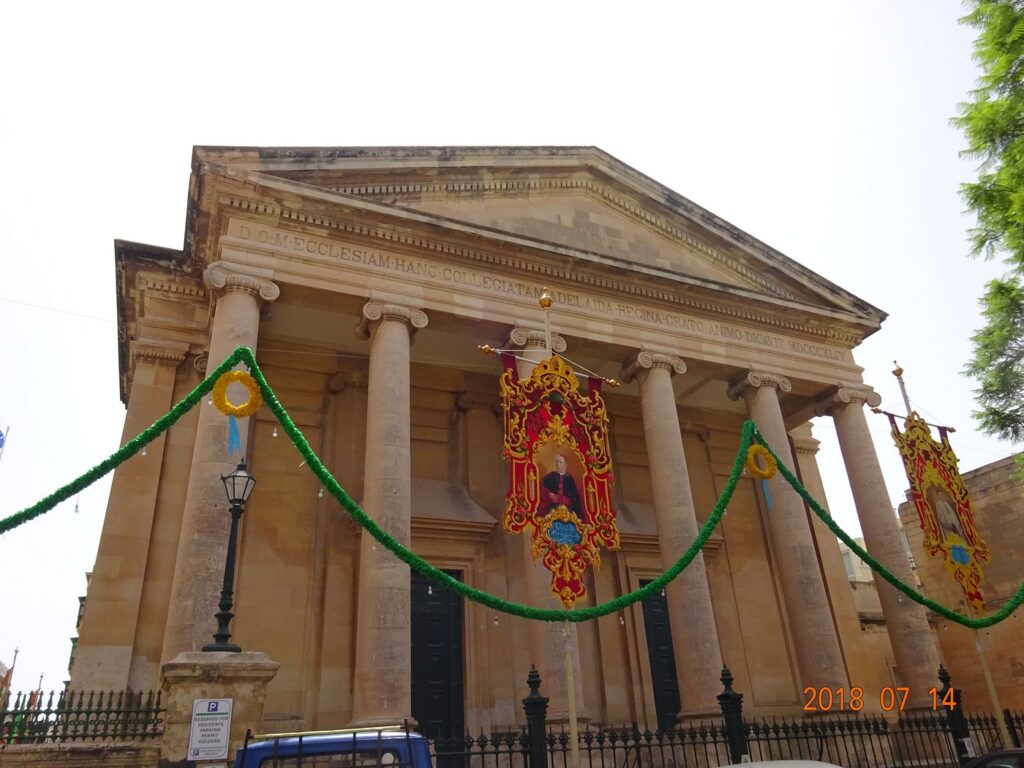
St. Paul's Pro-Cathedral stands as a majestic symbol of the British presence in Malta and a masterpiece of Neoclassical style in the heart of a Baroque city. Built by order of Queen Adelaide and designed by William Scamp, its façade is distinguished by a monumental portico with Corinthian columns that evoke the sobriety and elegance of classical architecture. Its iconic spire, reaching over 60 meters, not only dominates Marsamxett Harbour but has served as an essential visual landmark for sailors and visitors for nearly two centuries.
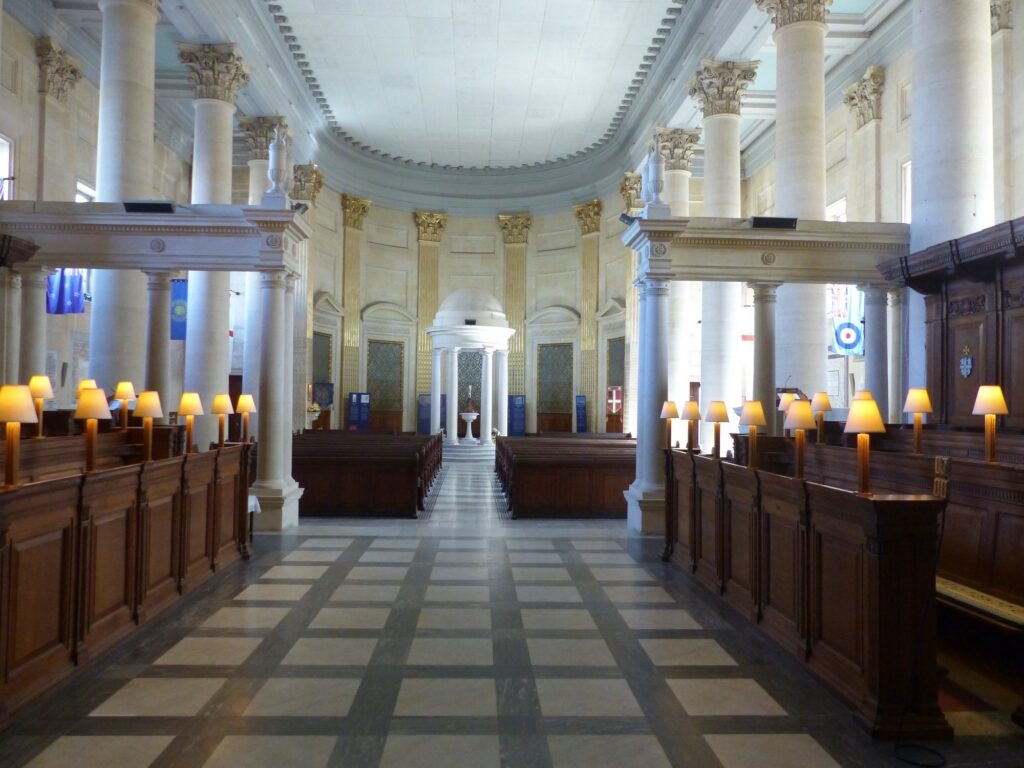
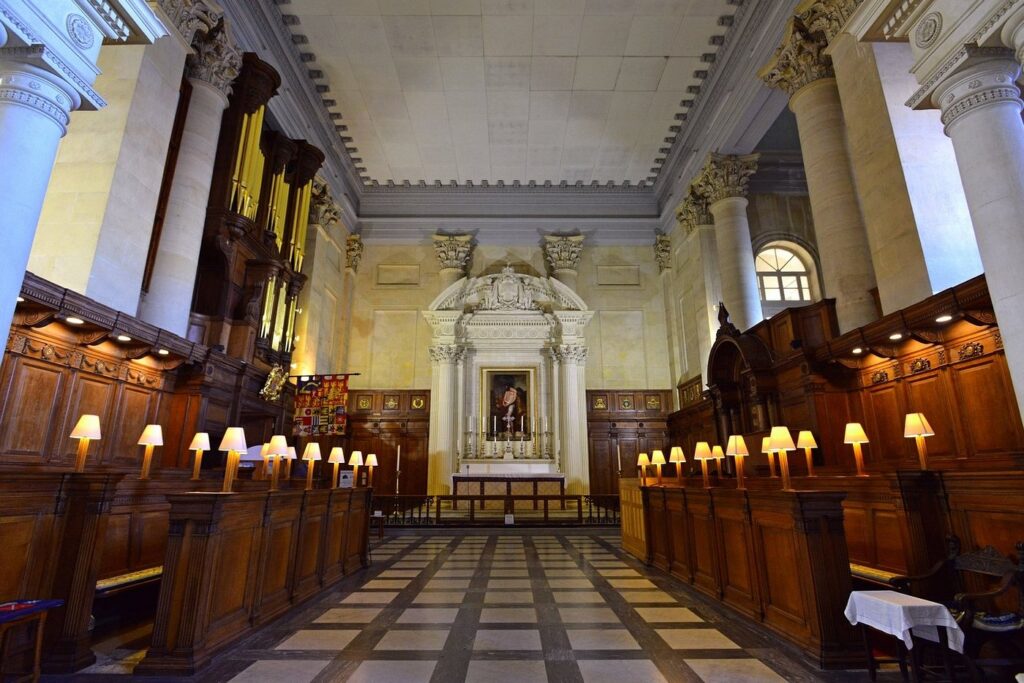
The interior of the temple is a sanctuary of peace and light, characterized by a clean and orderly aesthetic that contrasts with the heavy ornamentation of neighboring churches. A highlight is its impressive organ, originally built by the celebrated craftsman Bernard Smith in 1684 for Chester Cathedral in England and later transferred to Malta. The carved wooden panels and commemorative plaques adorning the walls tell the story of the British community on the island, creating an atmosphere that fuses Anglican tradition with Malta's golden limestone.
Beyond its architectural value, the pro-cathedral is a hub of cultural life, renowned for its exceptional acoustics that regularly host sacred and choral music concerts. Its construction was an engineering milestone for its time, particularly the dome and the tower, which survived the intense bombings of World War II. Consecrated in 1844, this monument remains a living testament to the cultural dialogue between the British Empire and Maltese identity, offering a unique and distinct perspective within Valletta's vast religious heritage.